
Getting Your UV Brand Right with Gallium Iodide Lamps
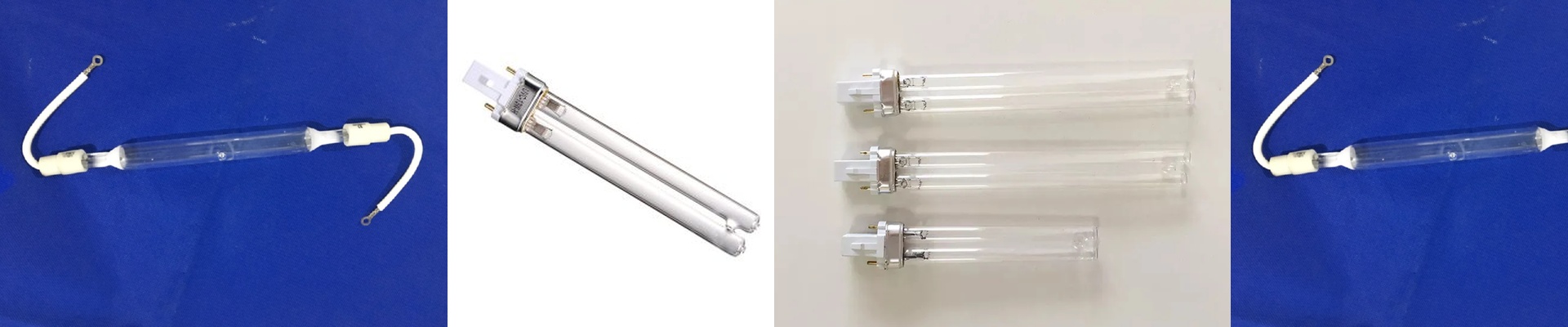
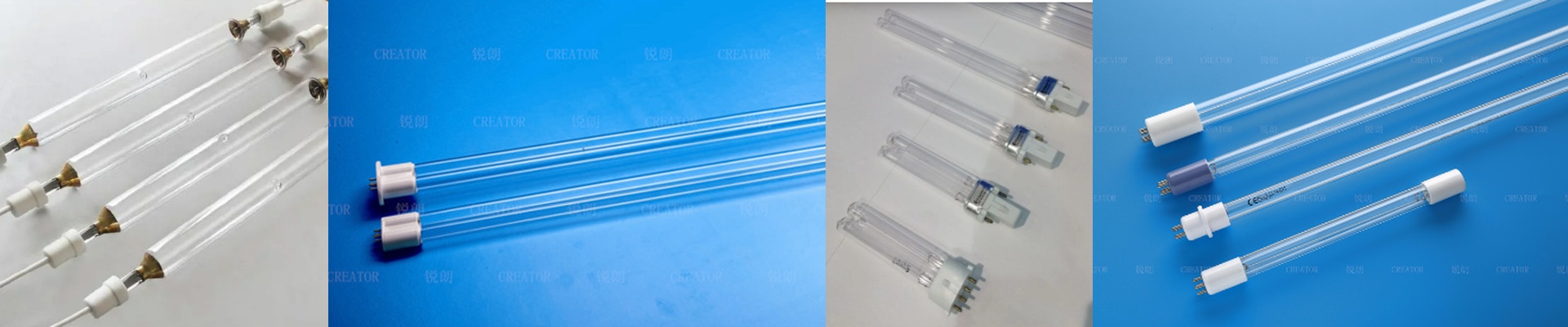
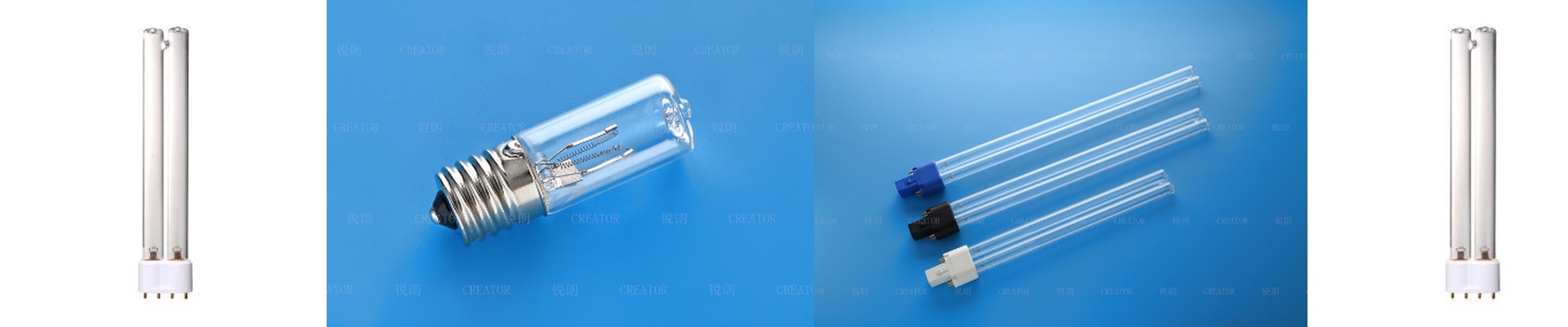
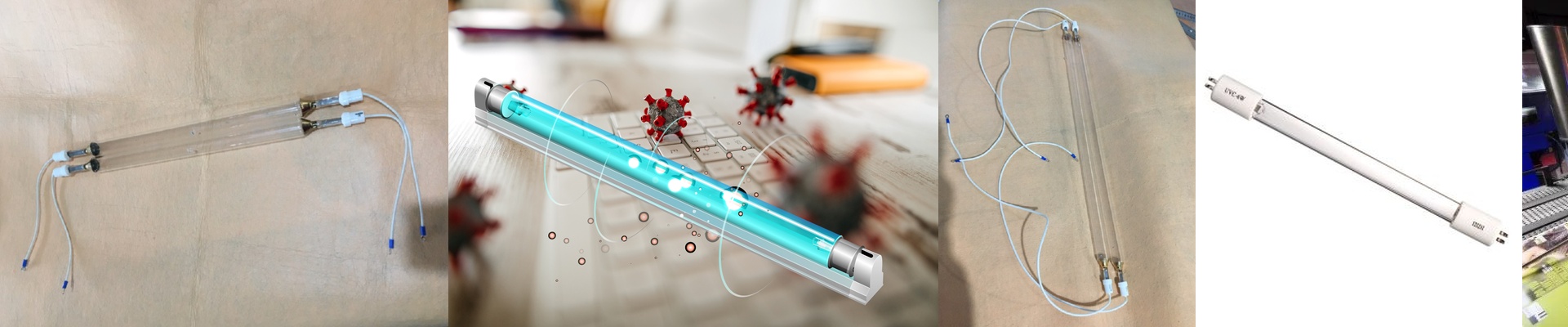
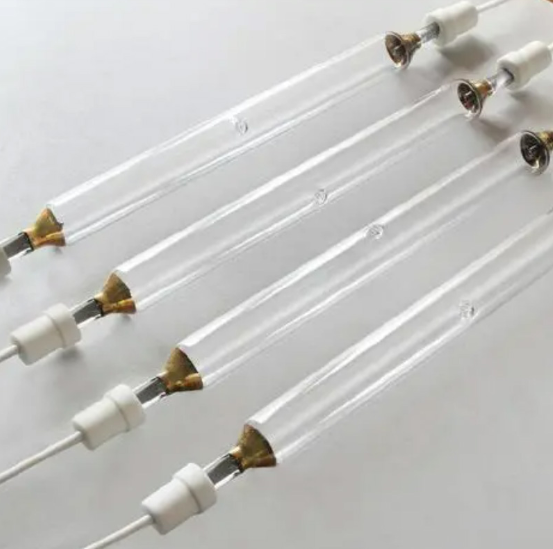
Let’s talk about Gallium Iodide (GaI) lamps. Most people stick with standard mercury lamps, but sometimes those just don’t have the muscle you need. If you’re dealing with resins that refuse to cure or photochemical reactions that are dragging their feet, you need a different kind of punch. Specifically, that 300nm to 400nm range where GaI really shines. The heat is the real challenge. Here is the thing: GaI lamps don’t play by the same rules as your average UV tube. If you just plug them into any old power supply, you’re going to burn them out before you even get started. And then there’s the heat. I mean real heat. These high-wattage tubes put out an intense amount of energy, and if your housing isn’t breathing or your fans are underpowered, that quartz envelope is going to snap. We spend a lot of time calibrating the electrical side of things. We make sure the gallium vapor gets hot enough to actually work, but not so hot that it melts your sockets into a puddle. Making it fit your machine Building a brand is about more than just slapping a logo on a box. It’s about the hardware actually working. We handle the gritty details of the OEM side. Need a specific lamp length? A weird end-cap configuration to fit an old machine? Different pin layouts or a custom coating to block out the wavelengths you don’t want? Just send us your drawings. We build the engine; you put your brand on the car. The trade-off Now, these aren’t “do-everything” lamps. They are precision tools. You get a narrow, powerful band of UV that cures specific materials incredibly fast. But you lose that broad-spectrum flexibility. It’s a choice: do you want a Swiss Army knife, or do you want a scalpel? If you go this route, do yourself a favor and use a dedicated ballast. It stops the flicker and keeps the arc steady from one end of the tube to the other. Trust me, getting the wiring right isn’t optional here—it’s the only way to make it work.