
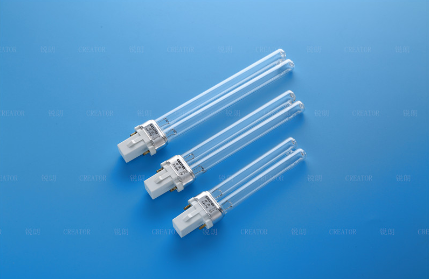
Why You Actually Need Patented Gallium Iodide Lamps
Let’s talk about Gallium Iodide lamps. If you’re working in the 300nm to 450nm range, you know the drill. You’ve got specific curing or sterilization jobs that a standard mercury lamp just can’t touch. They won’t trigger the photoinitiators you need. It’s just science. But here’s the thing: when you’re shipping this gear across borders, the technical specs are only half the story. The legal side is what actually keeps your shipment from getting stuck in a customs warehouse for three months.
The Headache of “Grey-Market” Hardware
Most of the generic UV lamps floating around are just copies of old designs. If you export a machine with one of those “no-name” lamps, you’re playing a dangerous game. In places like the US or EU, IP laws are brutal. One trade audit and you could be facing an infringement claim. We did things differently. We spent the time developing our own electrode shapes and gas-fill ratios. Because we own the patents, these lamps aresafe to export. You can ship your hardware without worrying that a customs agent is going to flag your gear as a patent violation. It’s one less thing to lose sleep over.
The Balancing Act: Power vs. Life
Gallium Iodide chemistry is… touchy. To get that high-intensity peak you’re looking for, we have to be incredibly precise with the internal pressure. Now, you might be tempted to crank the wattage to speed up your production line. I get it. Who doesn’t want more throughput? But be careful. Pushing these to 110% puts a massive strain on the quartz envelope. You’ll see the electrodes burn out way faster than they should. To keep your tubes alive, make sure your ballast is dialed in to maintain a steady current. Consistency is everything here.
Getting Them to Work for You
The good news is that these are drop-in replacements. They fit right into the standard industrial footprints you’re already using. But a quick heads-up: because our patented lamps perform differently than the generic stuff, you can’t just “plug and play” and walk away. You’ll need to tweak your conveyor speed and adjust your sensor thresholds. Take a moment to recalibrate. It’s the only way to make sure your cure depth stays consistent across the whole substrate.