
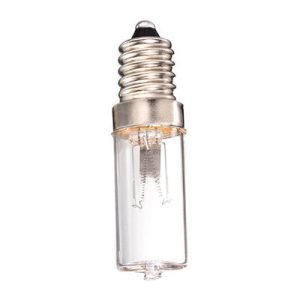
Getting the Light Right: A Look at Gallium Iodide Lamps
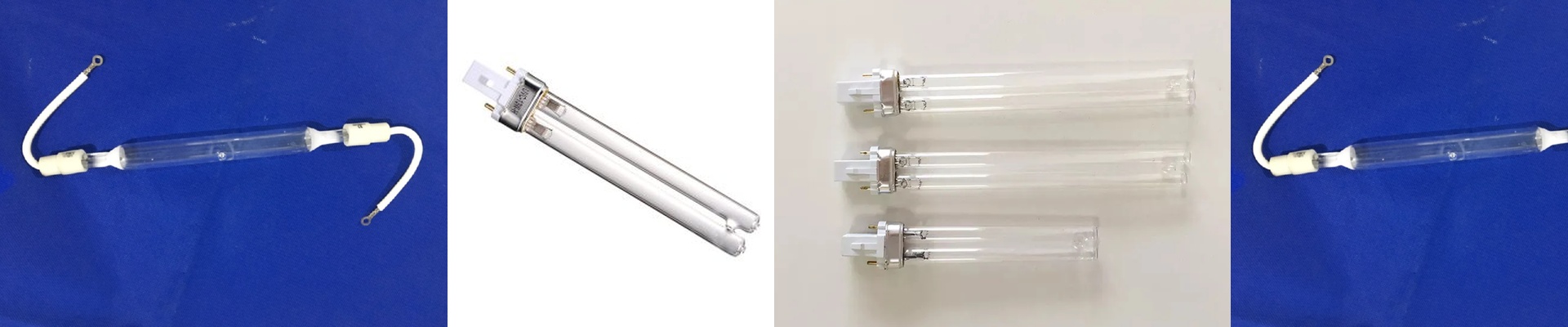
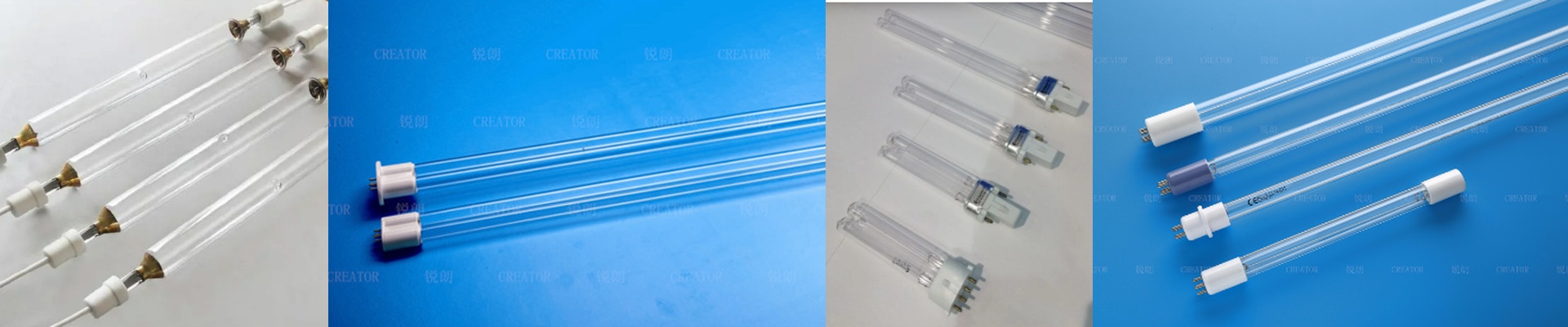
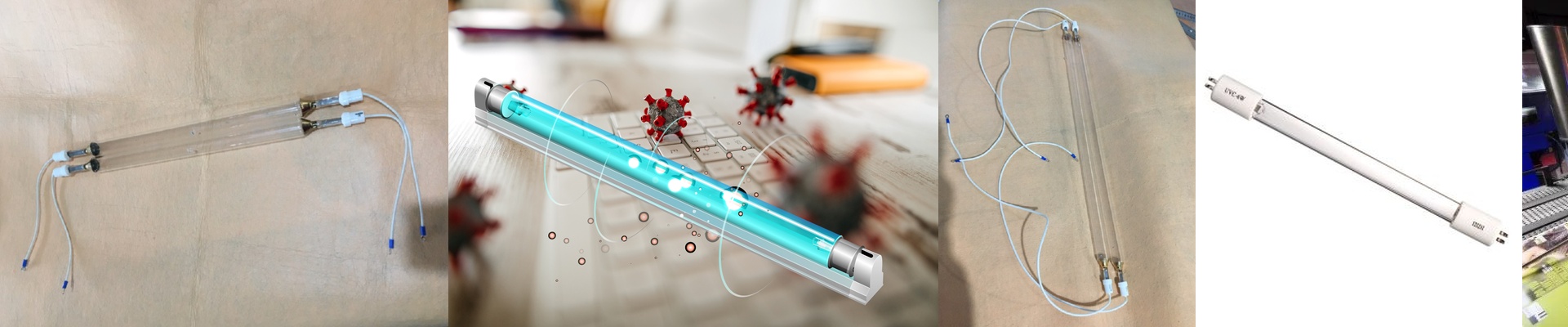
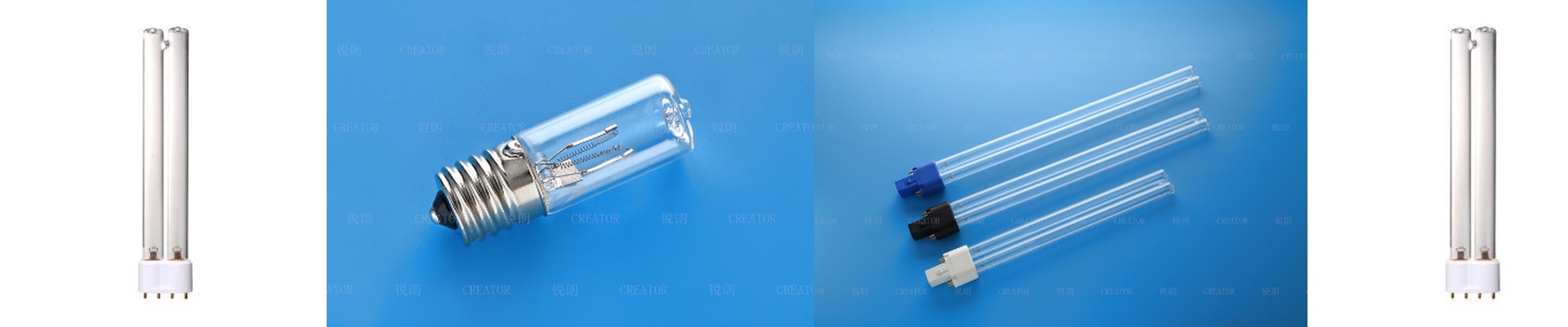
Standard infrared or UV lamps are great, but sometimes they just don’t cut it. That’s where our Gallium Iodide (GaI) lamps come in. These aren’t your typical heaters. Think of them more like precision instruments. We build them to hit very specific, narrow-band wavelengths—usually in the visible to near-infrared range—to get those tricky photochemical reactions moving. Hitting the Sweet Spot Here is how we do it: it all comes down to how we dose the gallium iodide halide. By tweaking the gas pressure and the gallium concentration inside the quartz envelope, we can actually shift the emission peak. If you’re trying to excite a specific catalyst or cure a picky polymer, you just tell us the nanometer range you need. We’ll handle the fill pressure to make sure the lamp hits that mark exactly. We use high-purity synthetic quartz because it’s tough. It can take the hit of rapid heating and cooling without snapping. But keep in mind, these things gethot. To keep the plasma stable, they have to run at high temps. Just make sure your housing has some decent airflow or active cooling, otherwise, you’re going to fry your electrodes way sooner than you should. Making it Work in Your Rig We can do a few different electrode setups depending on what you’re running. Whether you need a standard pinch or something custom, the main goal is a solid electrical connection. You don’t want anything arcing under load—that’s a bad day for everyone. One thing to watch out for: these aren’t “plug and play” bulbs you’d buy at a hardware store. They have a specific footprint and they’re sensitive. You’ll need a stabilized power supply. If your circuitry has a voltage ripple, the spectral output will drift. And when that happens, your chemical yield goes right out the window. The Give and Take There’s always a trade-off when you’re pushing for high intensity. If we crank up the wattage to get more photon flux, the lamp won’t last as long. It’s a balancing act. We tweak the gallium concentration to give you the punch you need without the tube dying in a few hundred hours. You might lose a little bit of peak brightness, but you get a much longer window between maintenance cycles. Usually, that’s a trade most people are happy to make.