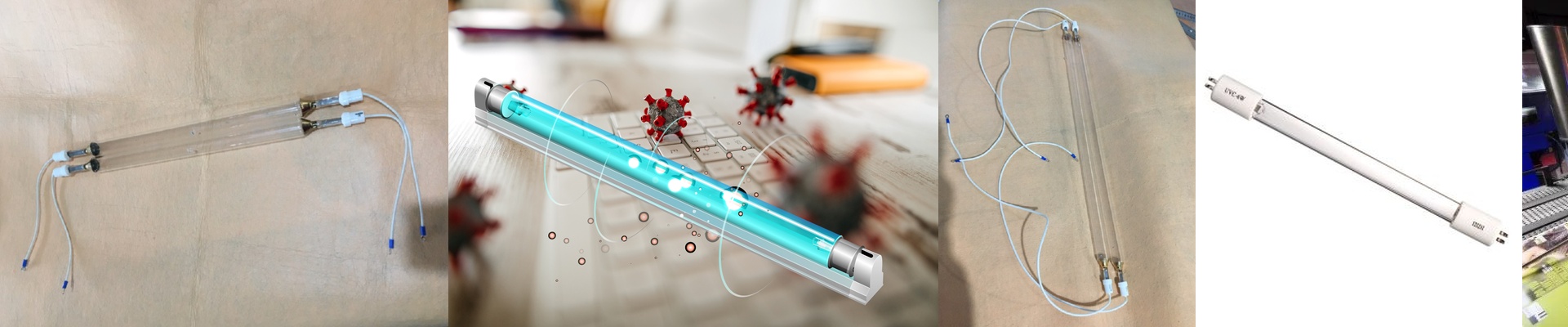
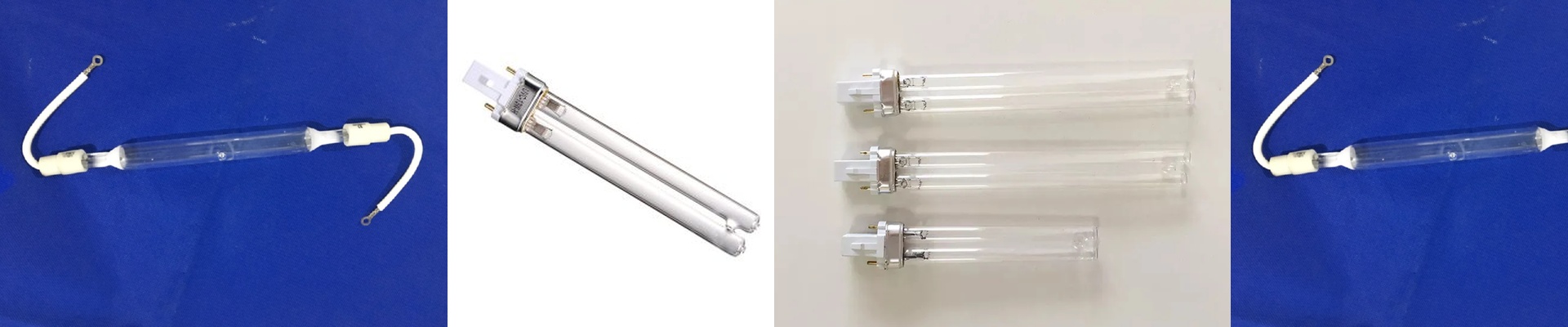
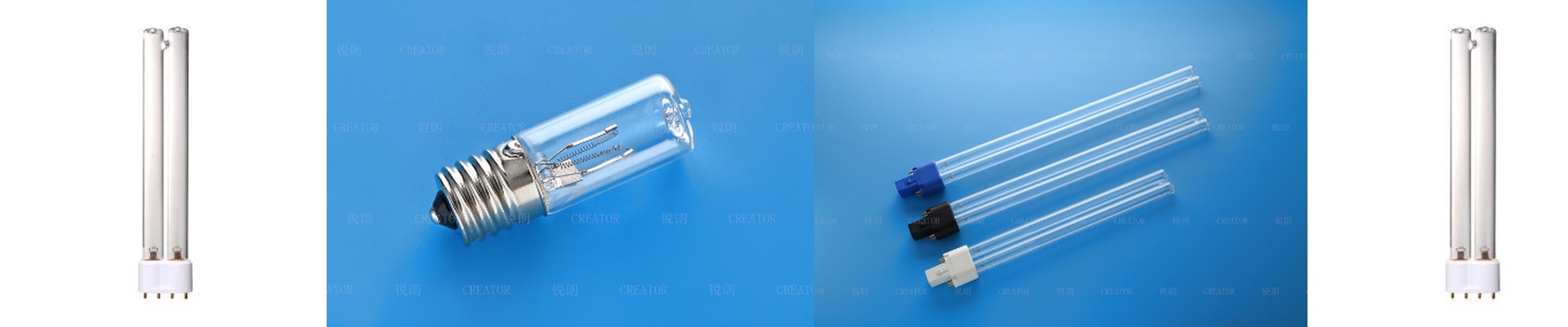
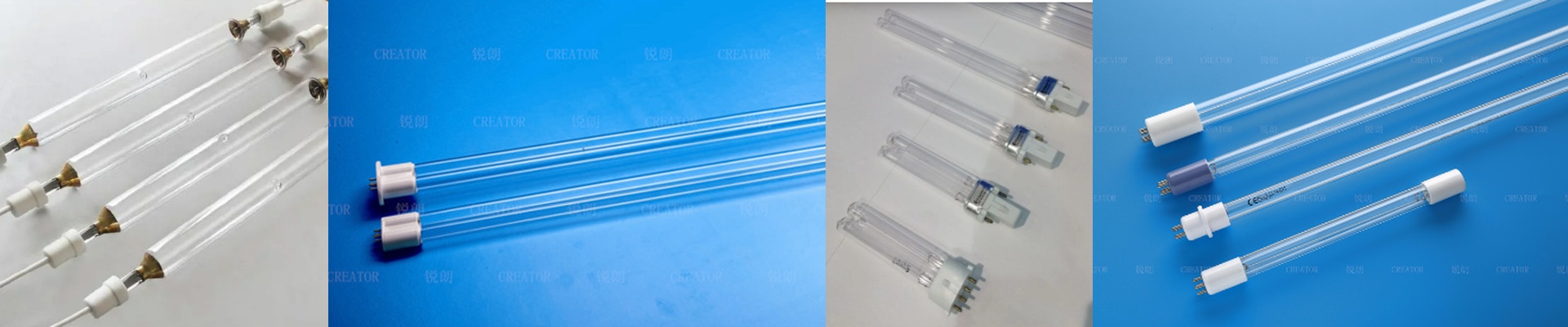

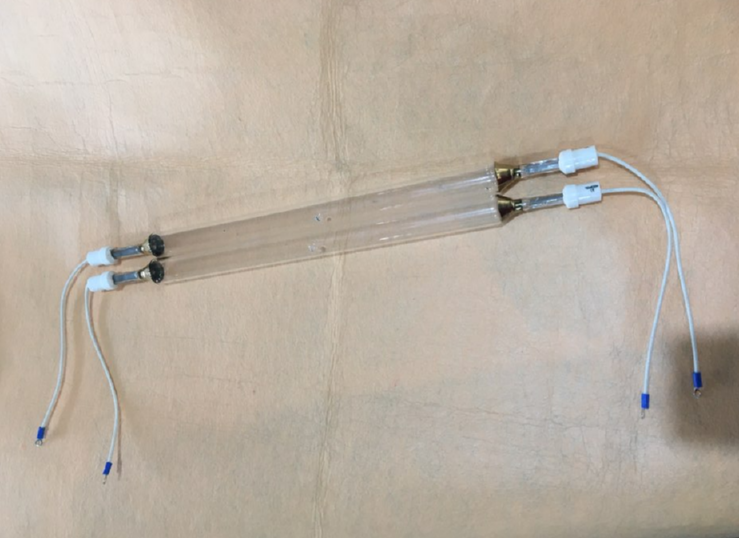
On the KTK elliptical line, the curing isn’t smooth—it’s a start-stop grind, hour after hour. Standard mercury lamps hate that duty cycle. Electrodes fatigue, arc stability wanders, and output drops right when you need it. We built a custom UV exposure lamp around a gallium-doped arc tube so it can take repeated ignition without giving up spectral control or lamp life. What matters, technically We shape the output to hit the photoinitiator window: a stable, narrow spectral profile centered at 365 nm, with peak irradiance of 1200 mW/cm² at a 10 mm working distance. Power density is rated at 120 W/cm, delivered through a dichroic-coated reflector that keeps heat off the substrate and concentrates the UV on the ink. Gallium doping cuts electrode erosion on repeated starts, so ignition voltage and arc stability hold up over thousands of cycles. Curing energy density hits 800 mJ/cm² in under 0.5 seconds—enough to lock adhesion and surface cure even during those short bursts. Why it fits this machine KTK’s high-frequency flash-cure profile punishes lamps that can’t recover fast. Our anti-start-stop approach keeps output within 3% from the first strike to the 5,000th, so the first sheet and the thousandth come out the same. You get consistent dot gain control, less set-off, and fewer rejects from incomplete cross-linking. Energy use drops because the lamp hits target irradiance quickly and holds it through repeated micro-cycles, and you stretch lamp replacement intervals, which cuts downtime. Here are the practical details The lamp is built for ozone-free operation, but it needs matched ballasts and a dedicated thermal path. Airflow has to be enough to keep the quartz envelope below 750°C. It fits KTK elliptical machines with our specified reflector geometry, but if you’re retrofitting other platforms, you may need a custom mount and recalibrated dwell time to hit the required mJ/cm². Before install, confirm your power supply’s open-circuit voltage and connector type—otherwise you risk mismatched ignition behavior.