
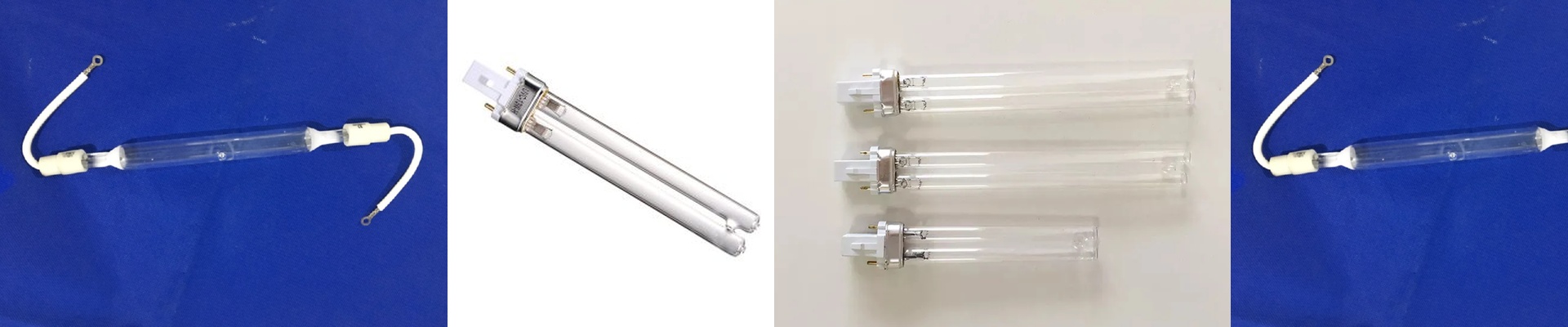
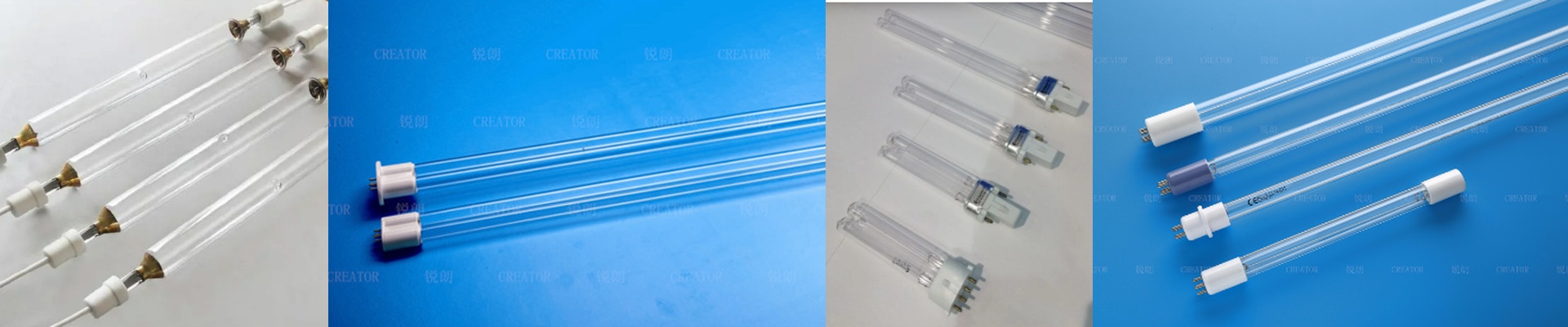
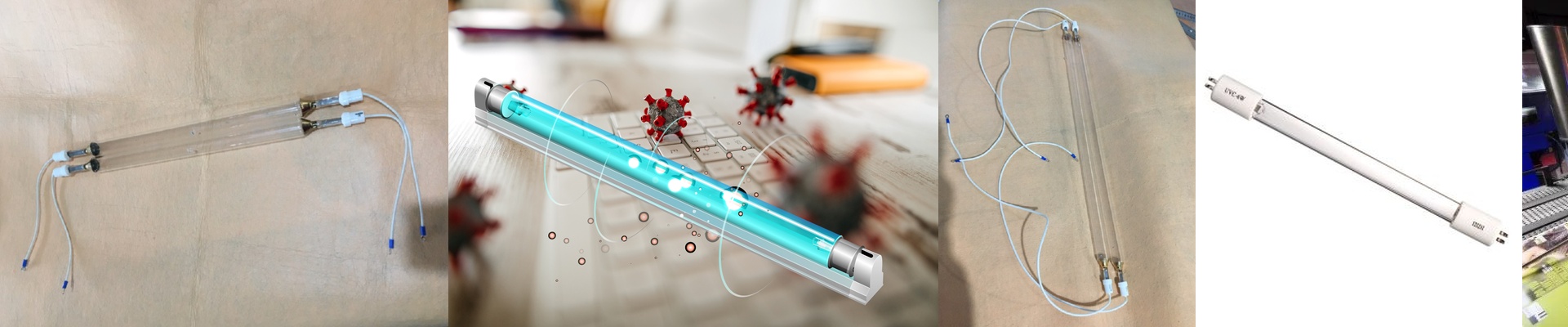
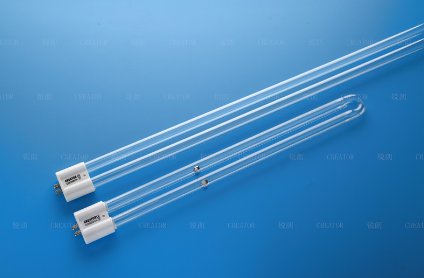
Inside our precision lab, chasing one exact wavelength isn’t academic—it’s what keeps the press running and the quality consistent. When the machine is turning, the UV system has to deliver stable spectral output. If it doesn’t, you pay for it in scuffing, adhesion failure, and scrap. That’s why Nordson UV lamp parts are built around reality: stable output, fast arc stabilization, and predictable end-of-life behavior. The core is straightforward. Match the spectral profile—365nm, 385nm, or 405nm—to the photoinitiator package in your ink or coating. Peak irradiance at the substrate surface, measured in mW/cm², sets how fast the surface cures. Energy density, in mJ/cm², determines whether the cure goes all the way through the layer. We design the lamps and reflectors to keep output uniform across the web. You get instant cure on the first pass, deep penetration without scorching, and a stable cure window that keeps color density and dot gain in line. On the floor, repeatability is what matters. Nordson UV lamp parts deliver consistent lamp-to-lamp performance, so your settings hold up from one replacement to the next. That means more impressions per hour, less energy per part, and fewer stops for lamp changes. You run full speed knowing adhesion, hardness, and chemical resistance meet spec, shift after shift. Here’s what you need to keep straight. Matching lamp length, arc gap, and electrical termination isn’t optional—mismatched parts drift in output and can take the power supply with them. Confirm the reflector coating and ozone management for your application, and track output with a calibrated radiometer. Even small shifts in spectral output or irradiance change cure depth. Treat lamp orientation and cooling as part of the system, not an afterthought.