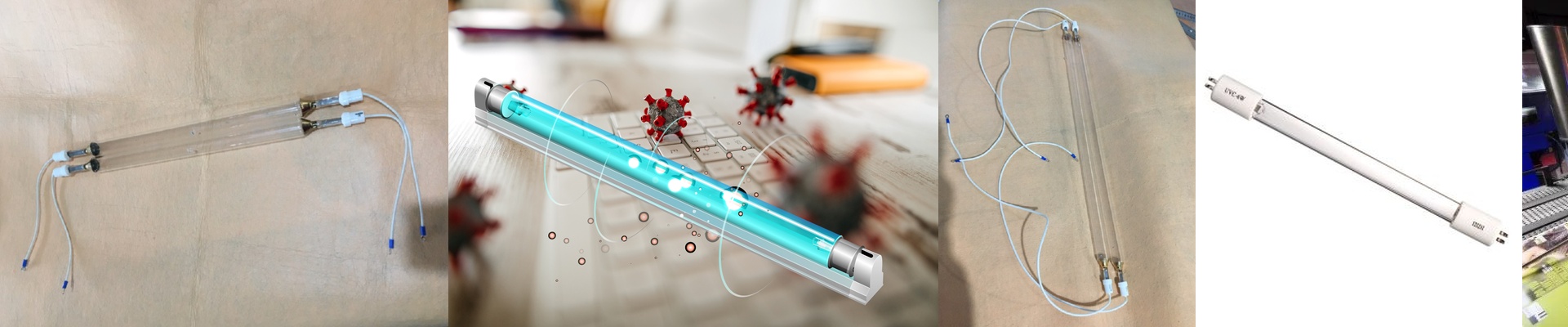

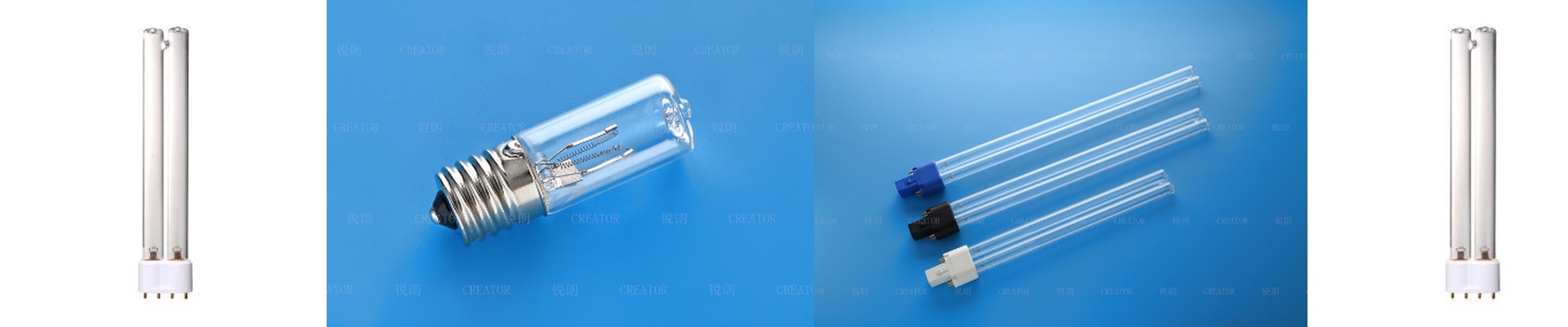
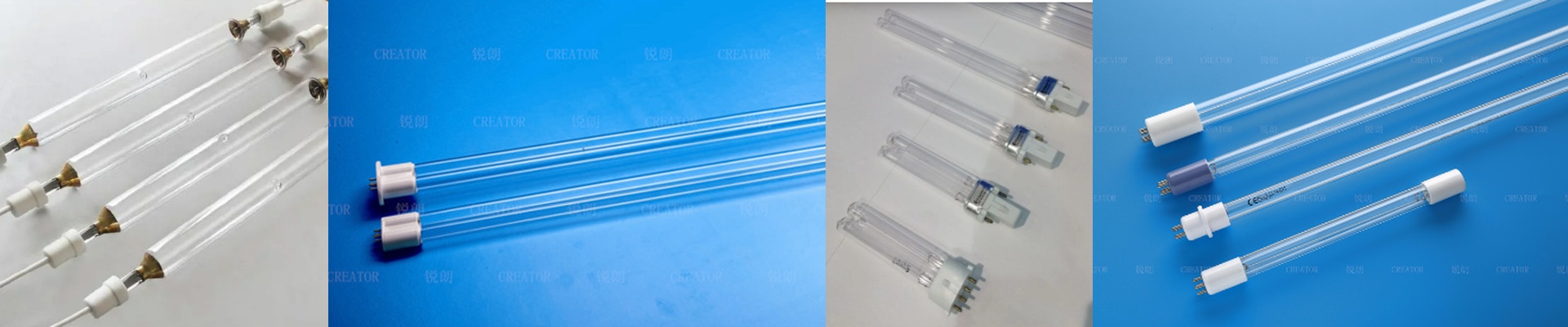
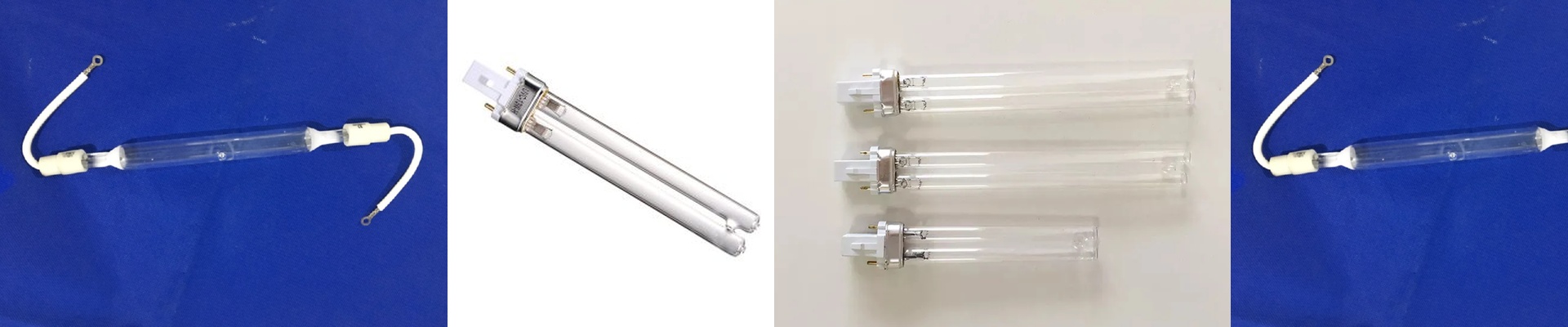
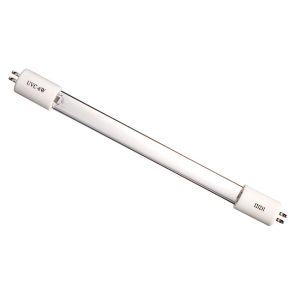
On the floor, air purifiers aren’t built around marketing. They’re built to hit a disinfection target, clear compliance, and keep running without throwing in the towel early. Drop a UVC germicidal lamp into that mix, and the driver isn’t just an accessory. It’s the control point for dose, stability, and lamp life. If the ballast can’t hold lamp current within tolerance, UVC output drifts. If the power supply chokes on start-stop cycles and grid spikes, you get random shutdowns. If the system can’t keep 253.7 nm stable under real thermal loads, the disinfection claims fall apart. That’s why the ballast and power supply deserve the same engineering focus as the lamp itself.
What actually matters: ballast, power supply, and the UVC chain
UVC germicidal lamps are low-pressure mercury vapor lamps. The 253.7 nm line does the heavy lifting, breaking down microbial DNA and RNA. But that line only behaves when the lamp runs at its rated current and temperature. The ballast and power supply decide whether you get repeatable output, or a curve that sags as things warm up.
Ballast: it’s about current control, not just striking the arc
We use ballast that holds lamp current in a tight window through the whole warm-up. That matters because UVC output drops fast if the arc current is too low, and electrode stress climbs if it’s too high. A solid ballast keeps:
- Lamp current at the rated value, even when line voltage wanders.
- Starting behavior matched to the lamp type, so the current surge doesn’t chew up the electrodes.
- Flicker out of the arc, because small fluctuations turn into dose instability. In practice, the UVC output settles quickly after ignition and stays consistent over hours of continuous run.
Power supply: clean it up, keep it predictable
Air purifiers get plugged into mixed building power, long branch circuits, and spaces packed with motors and switching supplies. The power supply needs to handle:
- Input voltage swings and transients.
- Harmonic distortion on the line.
- EMI that can couple into control circuits. We design the supply so the ballast stage sees a stable DC (or controlled AC) operating point, even when the grid doesn’t behave. That’s the difference between a system that “mostly works” and one that hits disinfection performance shift after shift.
253.7 nm output and dose: spectral stability is the real yardstick
Disinfection is a dose problem—irradiance times exposure time. The ballast and power supply stabilize the lamp operating point, which stabilizes:
- The 253.7 nm spectral output.
- The lamp’s temperature operating point.
- The long-term output decay curve. If the air purifier moves air at a fixed flow, the only way to keep kill rates consistent is to keep UVC output consistent. That’s why current stability matters as much as peak output.
Why this matters in air purification: preventing cross-infection
In air purification, the job is reducing pathogen load in recirculated air—preventing cross-infection in hospitals, schools, labs, and crowded commercial spaces. UVC sits in the airflow path and irradiates microorganisms as they pass. Here’s where ballast and power supply translate into real-world performance:
Predictable disinfection
Stable lamp current means stable UVC output. Stable output means you can calculate and verify dose against airflow, lamp position, and chamber geometry. When the driver holds the operating point, you can back up your disinfection claims with repeatable measurements, not wishful thinking.
Continuous operation without burning lamps out early
Air purifiers run long duty cycles. Every start-stop hits the electrodes. Every current overshoot accelerates end-of-life blackening. A properly matched ballast cuts that stress. Fewer replacements. Less unplanned downtime.
Energy use that tracks output
A ballast that regulates current efficiently cuts wasted heat in the driver stage. That matters because air purifiers often go into spaces where thermal load, footprint, and operating cost are tight. Efficient conversion means more UVC per watt, and a cooler chassis.
Compatibility you can design around
UVC lamps vary in length, arc gap, and starting behavior. A generic driver can run—until it can’t. We match ballast parameters to the lamp’s electrical behavior so the system strikes reliably, runs without flicker, and holds output across the lamp’s life.
What you need to know: installation, compatibility, and real constraints
Matching ballast to lamp isn’t optional
UVC lamps aren’t interchangeable at the driver level. Lamp length, arc gap, and electrode design change ignition voltage and operating current. A mismatched ballast can give you:
- Hard starting—random ignition failures.
- Excessive electrode sputtering—rapid lumen loss.
- Operating point drift as the lamp ages. Treat the lamp and ballast as a matched set, not separate line items.
Heat changes everything
The ballast and power supply make heat. The lamp also needs to hit its optimal wall temperature to deliver stable UVC output. In compact air purifiers, everything is thermally coupled. Keep the driver out of the hot air stream and give it ventilation. If the driver overheats, current regulation drifts. If the lamp runs too cool, UVC output drops.
EMI needs to be managed, not ignored
Switching power stages can inject noise into nearby control boards, sensors, and comm lines. Route power wiring away from low-voltage sensing. Use shielded cable where it makes sense, and keep the high-current path isolated in the enclosure.
Ozone: know what your lamp emits
Low-pressure mercury lamps emit some 185 nm radiation, which generates ozone. If the design needs to be ozone-free, use an ozone-free lamp—typically a fused quartz envelope that blocks 185 nm—and confirm the envelope is compatible with the ballast and ignition profile. The driver can’t change the physics of the envelope.
Measure output; don’t assume
You can’t see UVC. Use a calibrated UVC radiometer to verify irradiance at the target plane, and document the measurement geometry. Change lamp length, reflector layout, or airflow, and you have to re-verify dose. We build UVC lamp ballast and power supplies to deliver stable current, predictable output, and long life in continuous air purification systems. If your goal is repeatable disinfection performance with fewer service calls, start with the driver that treats UVC as a controlled variable—not a guess.