
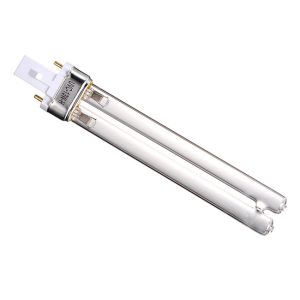
Optimizing UV Curing for Hybrid Ink Systems
When you’re running hybrid lines—mixing glue-based and water-based inks—curing becomes a delicate dance. We build our UV lamps around two specific wavelengths: 365nm and 420nm. Why? Because those peaks line up perfectly with the photoinitiators in each ink family. The whole idea is simple: give you enough power at the exact right wavelength to kick off crosslinking—without scorching your material or wasting energy.
Spectrum Control for Multi-Ink Compatibility
Here’s the thing with a broad spectrum: it tends to cure unevenly. One ink dries fast, the other lags behind. So we do the opposite—we keep the output targeted. The 365nm band is your workhorse for glue-based inks. It drives a fast surface cure and a deep, thorough cure, so you get a hard, tack-free finish quickly. The 420nm band, on the other hand, penetrates better. It lines up with what water-based systems naturally absorb, so you get a smoother cure without that frustrating surface skinning. By tuning the balance between 365nm and 420nm, you can match your exact ink stack. That means you don’t have to resort to just cranking up the wattage. But there’s a catch: tight spectrum control needs stable lamp temperature and consistent distance from the lamp to the substrate. Keep those steady, and your cure stays repeatable—even when you switch jobs.
Practical Execution on the Floor
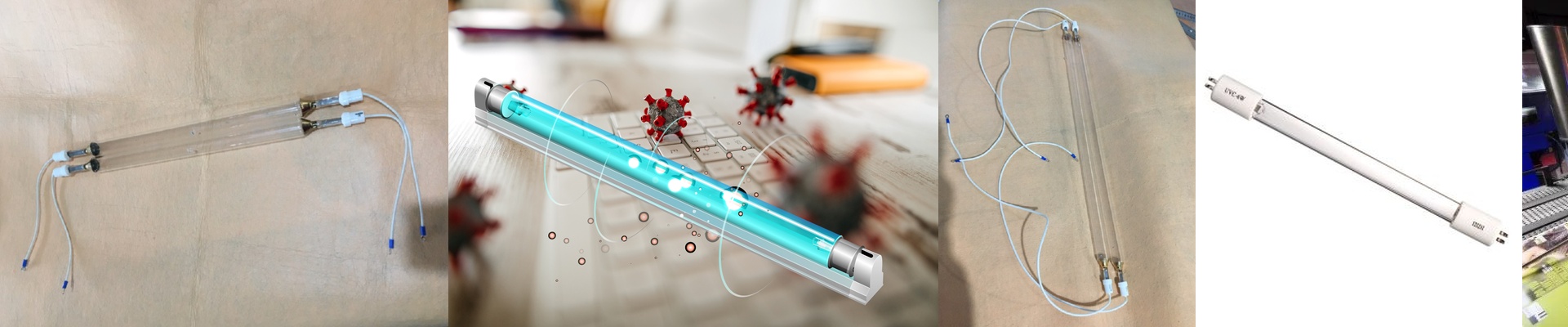
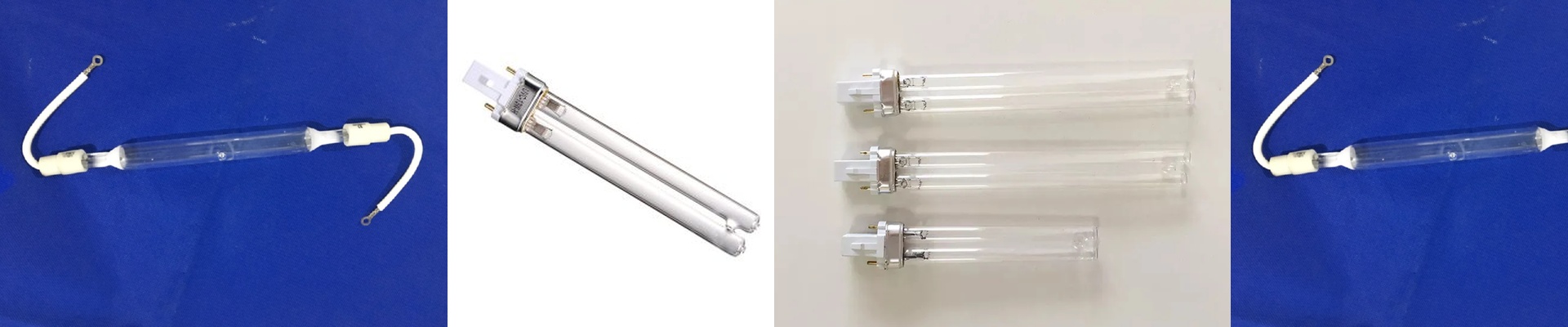
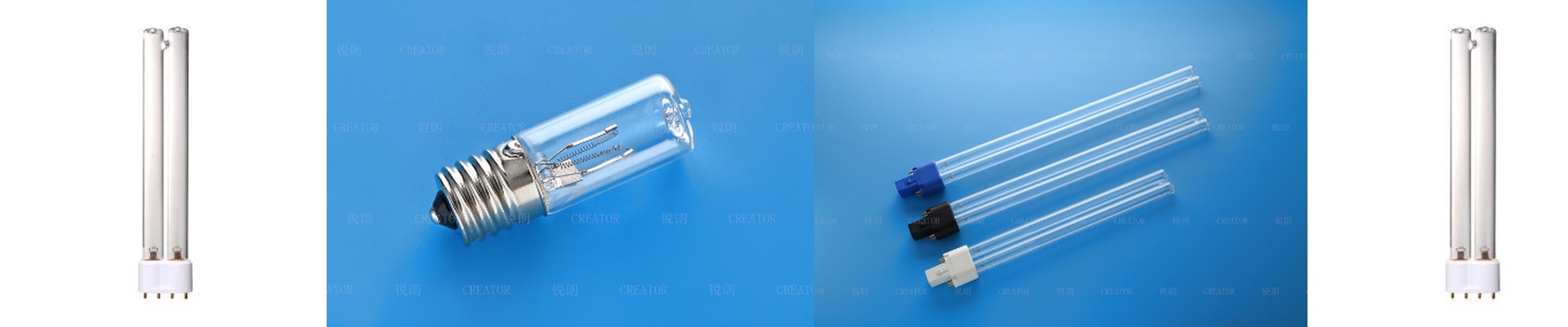
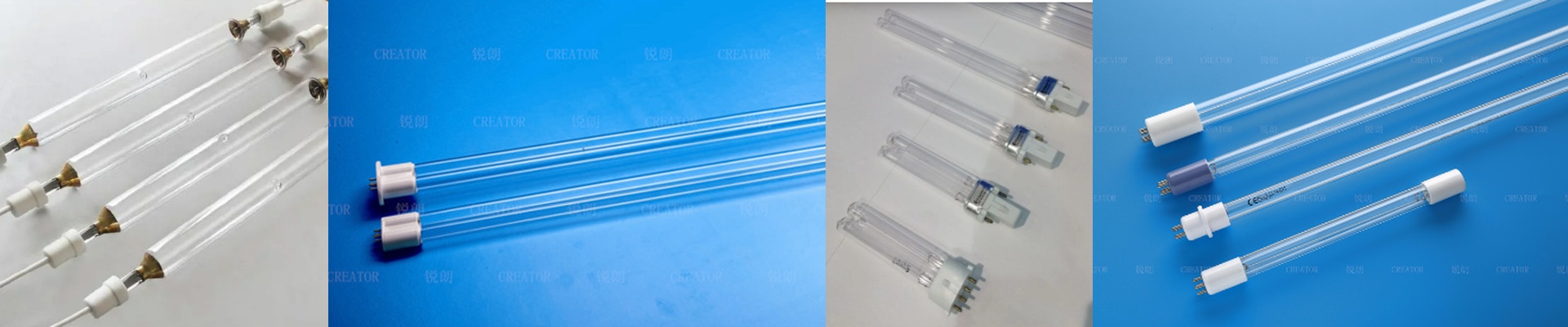
On the floor, it wires up just like any industrial UV unit. The difference is we spec the emitter to deliver the exact spectral energy you choose. We match the output to your line speed and your substrate, so you hit the cure threshold without burning anything. You get a rugged setup built for nonstop running, but plan for cooling. High-intensity UV emitters throw off a lot of heat, and your machine’s airflow has to keep everything within safe thermal limits. Run the lamp at the recommended power, keep the distance steady, and check your cure with a radiometer. When you find the right 365nm/420nm balance, hybrid ink curing stops being a headache. It becomes predictable, stable on the line, and much easier to lock in for production.