
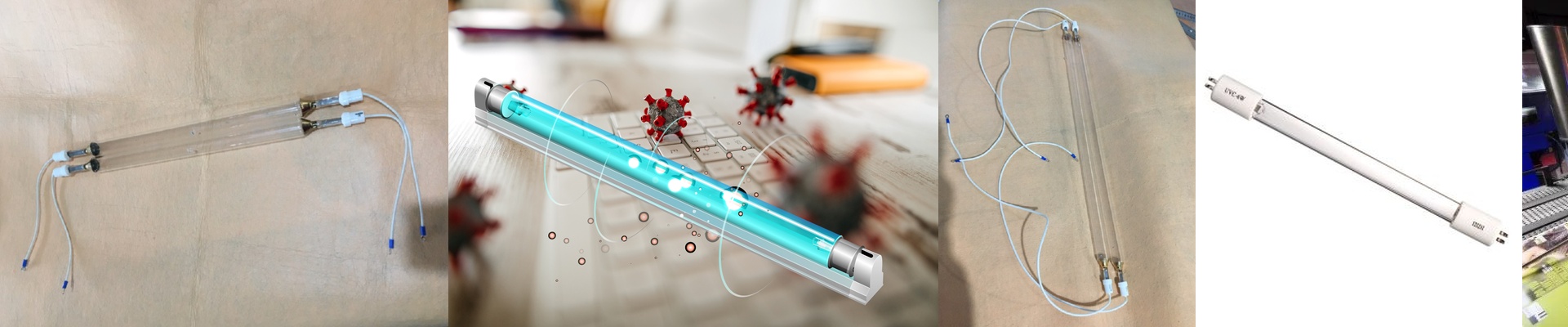
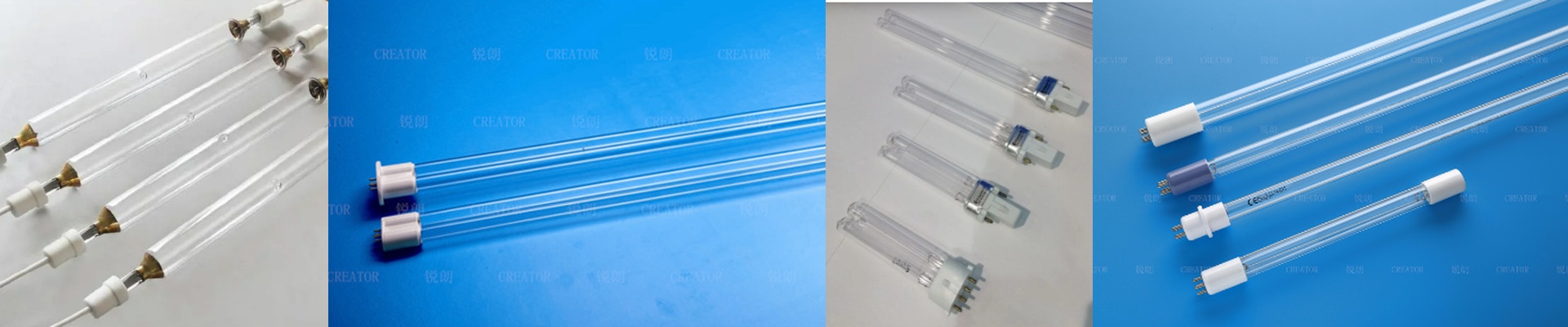
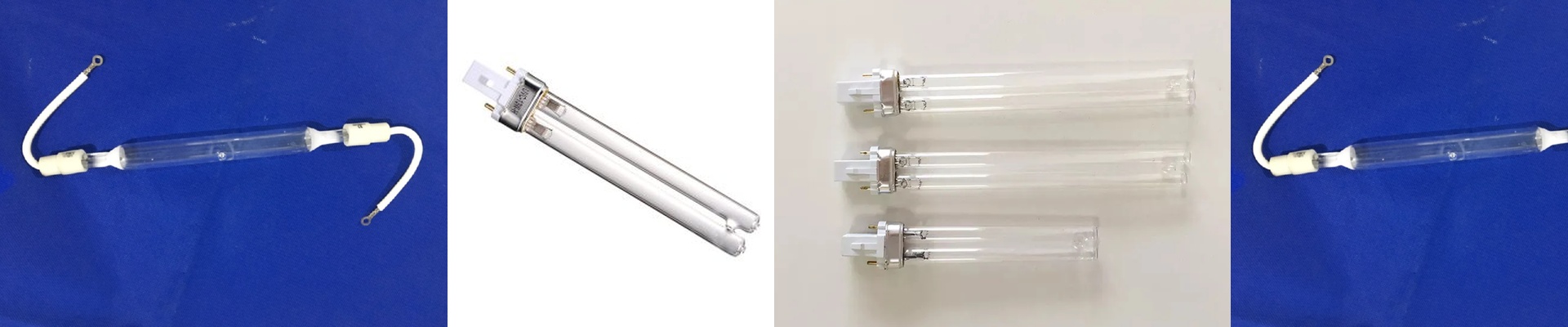
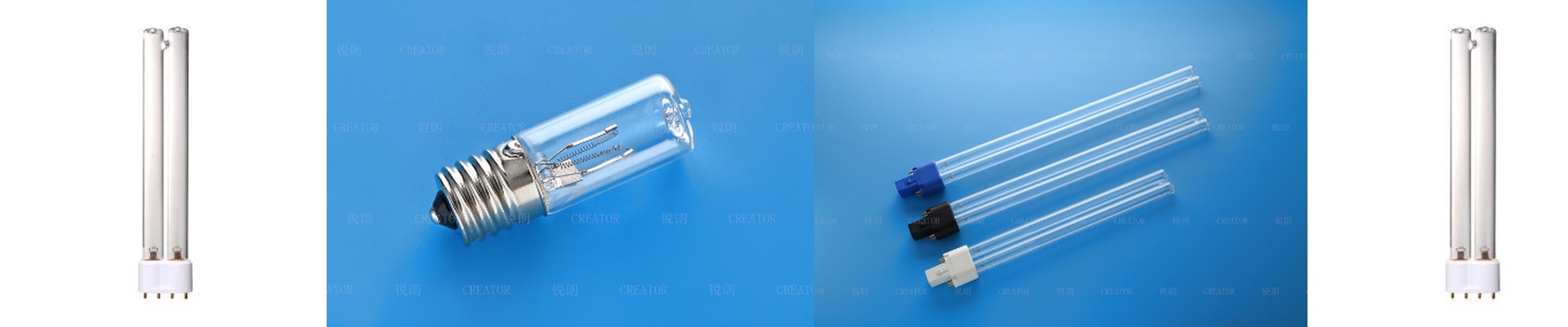
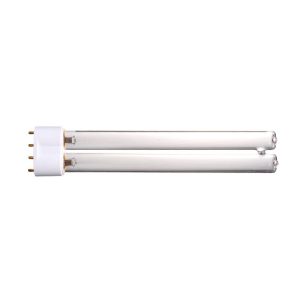
Gallium UV Lamps in Ceramic Printing: The Secret to Instant Curing
We built the Gallium UV lamp for one reason: to handle the tough demands of ceramic screen printing. It does one job, and it does it well—delivering the precise UV energy that makes your inks cure instantly. For you, that means the line can run faster, and the cure actually holds, even on those dense, stubborn ceramic glazes.
Let’s talk power, voltage, and output
We set these lamps up to blast out high-intensity UVA for rapid curing. The Gallium doping is tuned to hit that sweet spot between 365nm and 400nm—exactly the range the photoinitiators in ceramic inks crave. The power rating gives you enough photon density to finish the job in a single pass. Running at high voltage keeps the arc stable across the whole length of the lamp, so the output stays even from end to end. No weak edges. No patchy cure. And the length is matched to standard print stations, so you can drop it in and get to work without re-engineering your whole line.
The materials that make it work
We use a quartz envelope because it lets UV through cleanly and can handle the thermal shock without cracking. The Gallium element keeps the spectrum stable, so the output doesn’t drift as the lamp ages. That means your process stays predictable, day after day. Inside, the coating helps keep the arc distributed evenly and protects against filament wear. The connector is built for a solid, tool-free install. It handles high current with minimal resistance, so you don’t get hot spots at the terminals. And the mechanical retention keeps the lamp locked in place, even when the press is vibrating.
What this means on the shop floor
In ceramic printing, you need a cure that sets fast without cooking the substrate. This lamp hits the ink, not the ceramic body, so you get an immediate surface cure and better adhesion. The payoff is fewer rejects, less downtime, and a process that runs reliably shift after shift. One thing to keep in mind: the high-intensity output needs proper cooling. Make sure your reflector and airflow are up to the task so the lamp stays in its thermal sweet spot.
How UV makes instant cross-linking happen
UV light wakes up the photoinitiators in the ink, breaking them down into reactive pieces. Those pieces kick off a reaction where polymer chains link together—cross-linking—turning liquid ink into a solid film almost instantly. We tune the spectrum and intensity so that reaction is fast, clean, and dependable. We design it so you can wire it up, set your speed, and get consistent curing from the very first run.
For the engineers who need it to just work
If your line needs a UV source you can drop in that cures ceramic inks on contact, this Gallium lamp brings the output, stability, and installation practicality you need for real production. Just match the voltage, confirm the length, and make sure your cooling can keep pace.