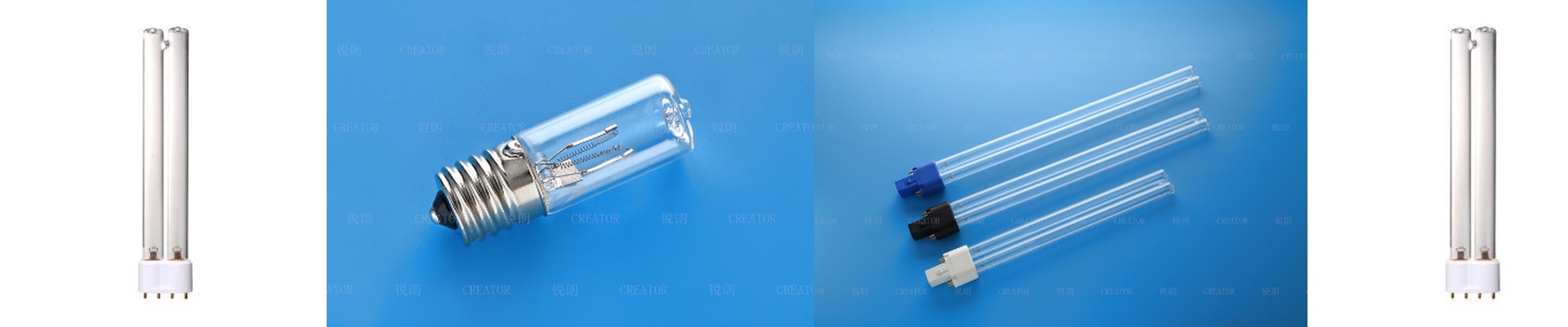

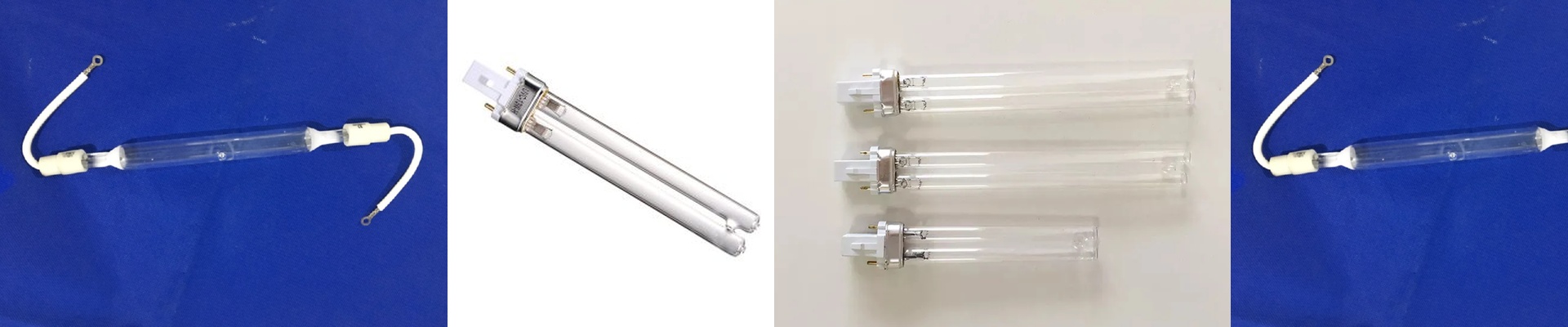
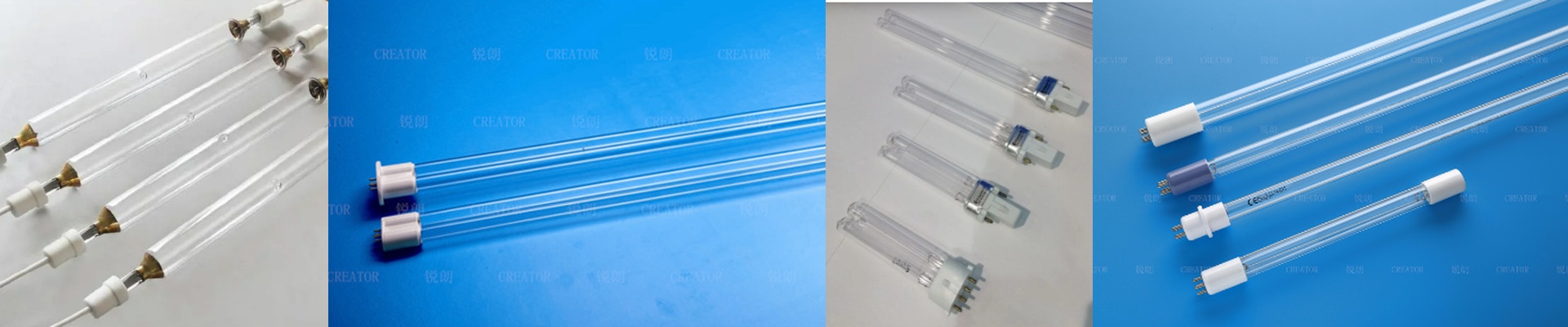
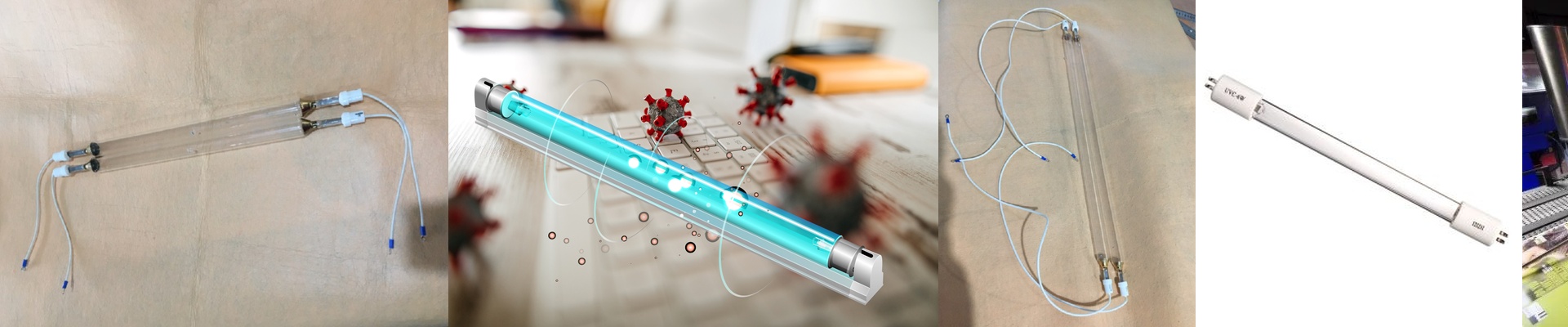
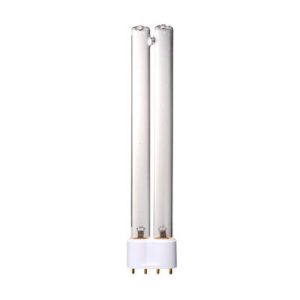
On the press floor, UV curing should be clean and predictable. Too often, it turns into a sneaky exposure risk because the lamp is throwing off ozone. We build our UVC lamps with ozone-free quartz glass to kill that problem at the source. This isn’t a brochure feature—it’s a hard engineering call that protects people’s lungs without sacrificing spectral output. What actually matters under the hood Standard UVC lamps that generate ozone put out 185 nm, and that line turns oxygen into ozone. Our ozone-free quartz blocks that wavelength and keeps the 254 nm output you need—germicidal, and right where it counts for photoinitiator activation in certain inks and coatings. You end up with a stable spectral profile, controlled peak irradiance, and repeatable dose. That’s how you keep cure depth and surface cure consistent, run after run. The lamp body and reflector geometry are built for industrial life: predictable intensity distribution, repeatable starts, and service life that holds output within spec for thousands of hours. Why this matters on the line In printing and finishing, operators are close to the curing zone. Ozone-free operation keeps the air safer without forcing you to add scrubbers, rework ventilation, or redesign enclosures. You still get the same curing performance—solid cross-linking, fewer VOC concerns from the chemistry, and steady throughput—while removing a chronic exposure variable that can come back as compliance headaches and unplanned downtime. A few shop-floor realities Ozone-free quartz is a trade-off: you lose the 185 nm line, and some processes lean on that for surface oxidation or adhesion promotion. Match the lamp to the chemistry. And UVC intensity drops off fast with distance. Mounting tolerances and keeping the reflector clean directly affect delivered dose. Check it with your radiometer at the work surface, and set preventive maintenance by measured output drift, not some calendar guess.