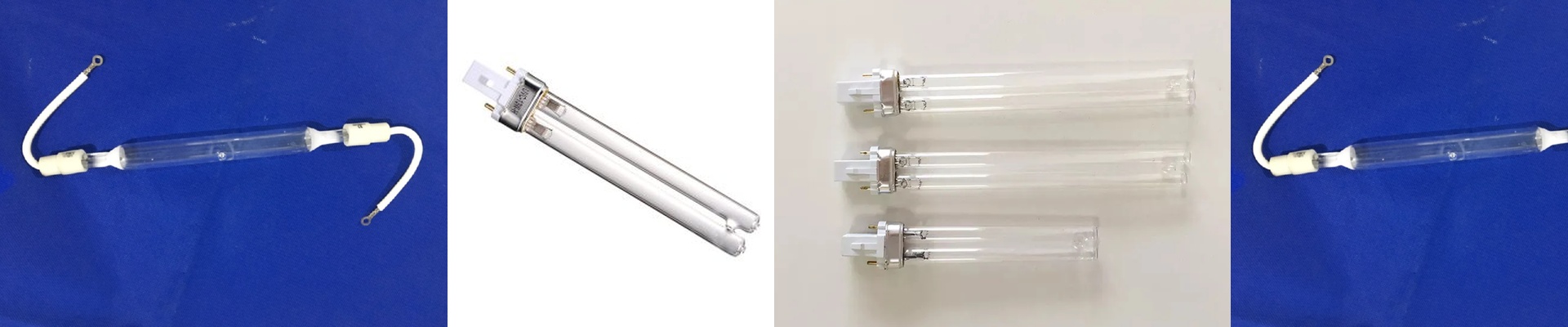

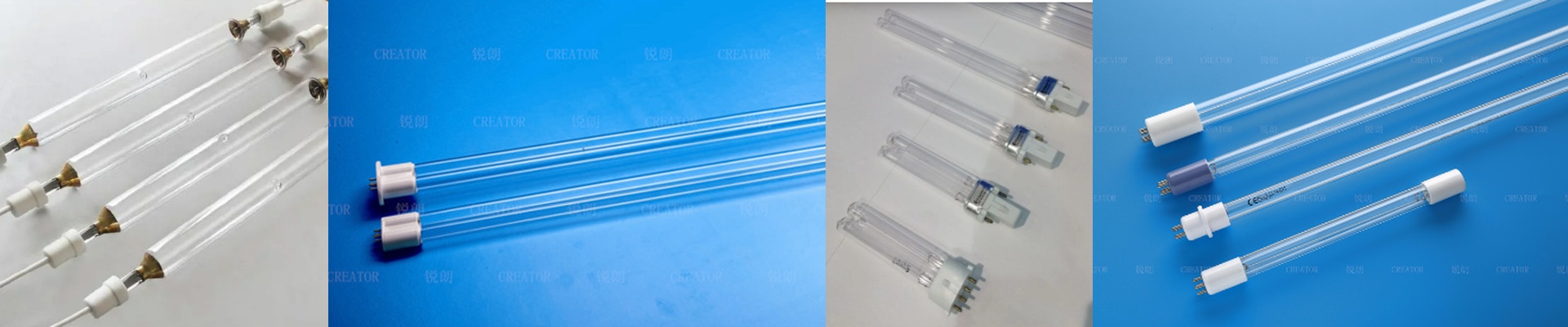
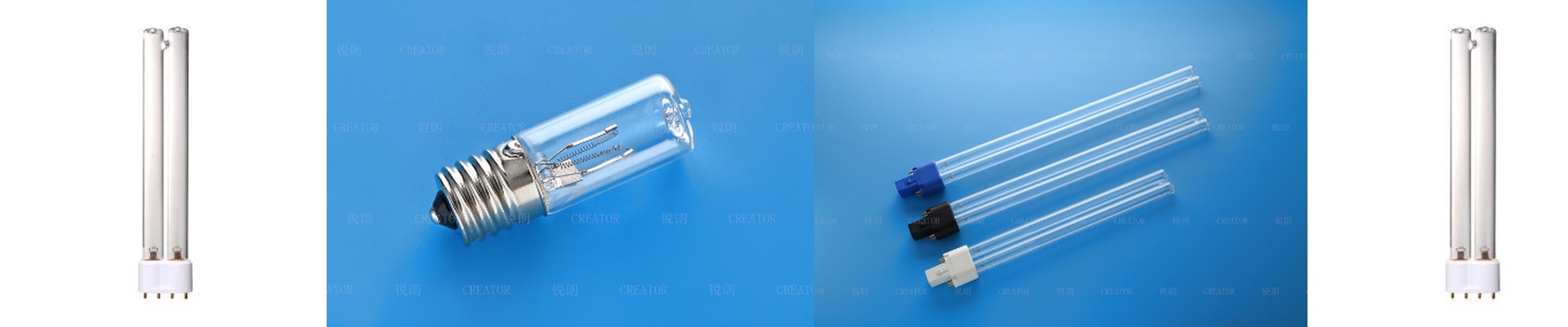
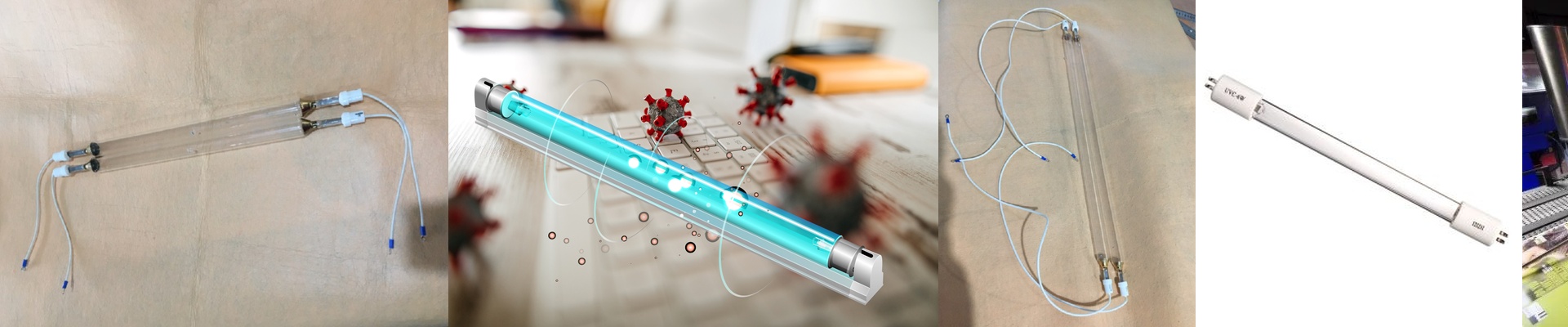
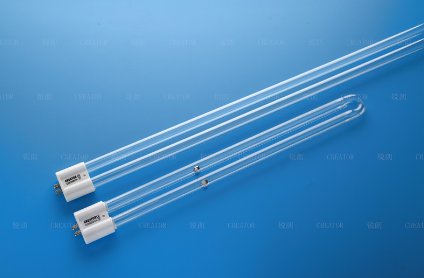
On the floor, a screen exposure unit lives or dies on its lamp and how clean the quartz envelope stays. Put a gallium lamp in for screen exposure, and a single fingerprint on the quartz becomes a surefire failure path. Organic residue soaks up short-wave UV, hot spots form on the quartz, and crystalline devitrification accelerates. You end up with measurable loss in spectral output, shorter lamp life, and the usual fallout—exposure that drifts, pinholes, and rework. Gallium lamps give you a stable spectral profile centered at 365 nm and 405 nm, right where the photoinitiators in UV-curable emulsions need it. That targeted output hits higher peak irradiance at the stencil than broad-spectrum mercury, which tightens cross-linking uniformity and cuts pinholes. Most systems run 80–120 W/cm, with dichroic-coated reflectors to shape the beam and keep dose consistent across the exposure field. Output is measured in mJ/cm²; with clean quartz and reflectors aligned to spec, you can hold ±5% dose uniformity across the active area. Here’s why it works in practice: the narrowband output translates to faster exposures and less heat load on the screen frame, so sagging and emulsion bloom stay under control. Gallium lamps are also ozone-free, which simplifies ventilation and keeps operator exposure in check. The payoff is fewer exposure tweaks, less makeready scrap, and repeatability that holds from job to job. A few field notes.**Never touch the quartz with bare hands.**Use lint-free gloves and isopropyl alcohol for handling and cleaning. Confirm voltage and igniter compatibility—gallium lamps have different arc characteristics than mercury, and they need matched ballasts. Set reflector alignment to the specified focal distance; a 2 mm offset can knock peak irradiance down by 10%. Expect 2,000–3,000 hours at rated power, and keep an eye on reflector oxidation and quartz hazing as the main degradation routes.