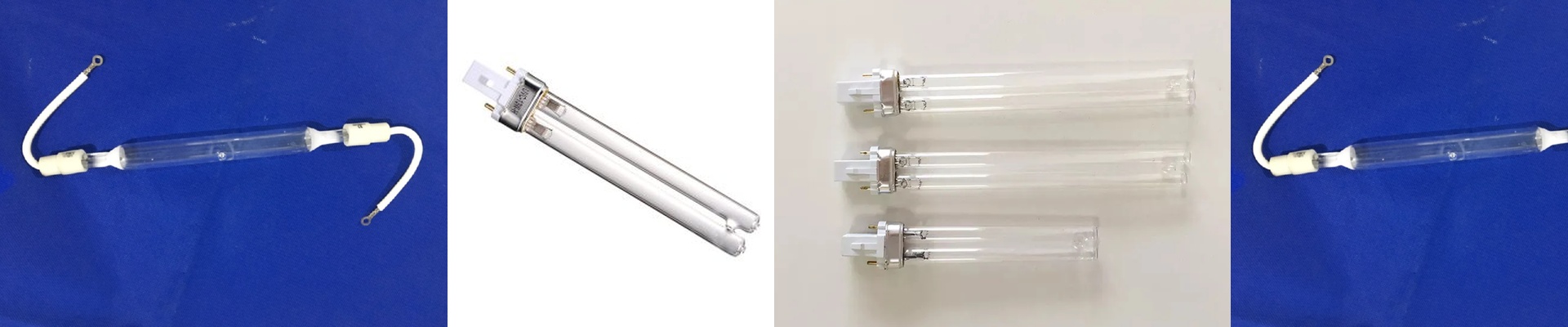
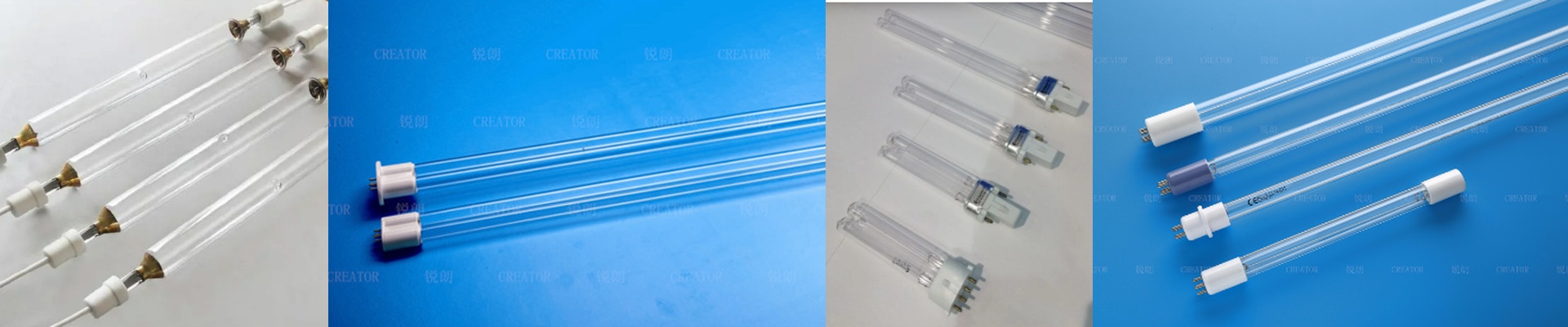
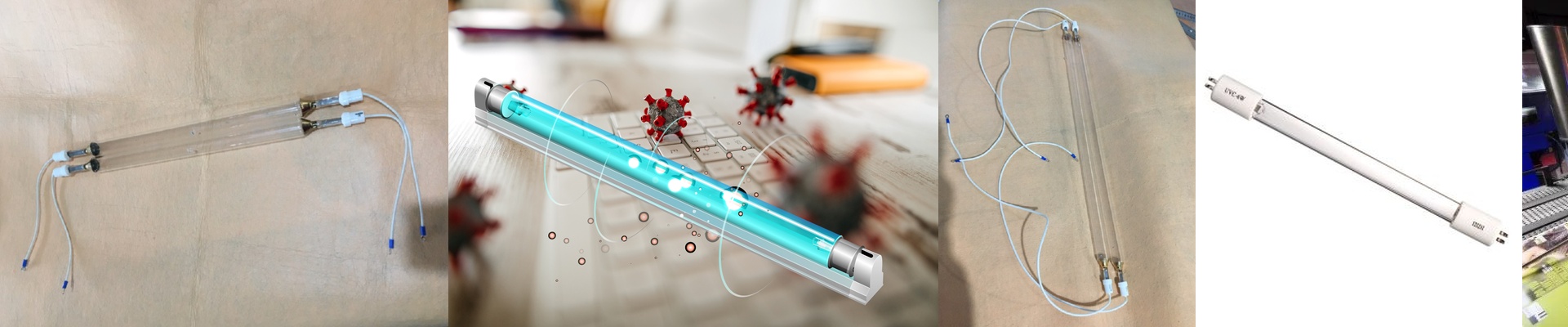
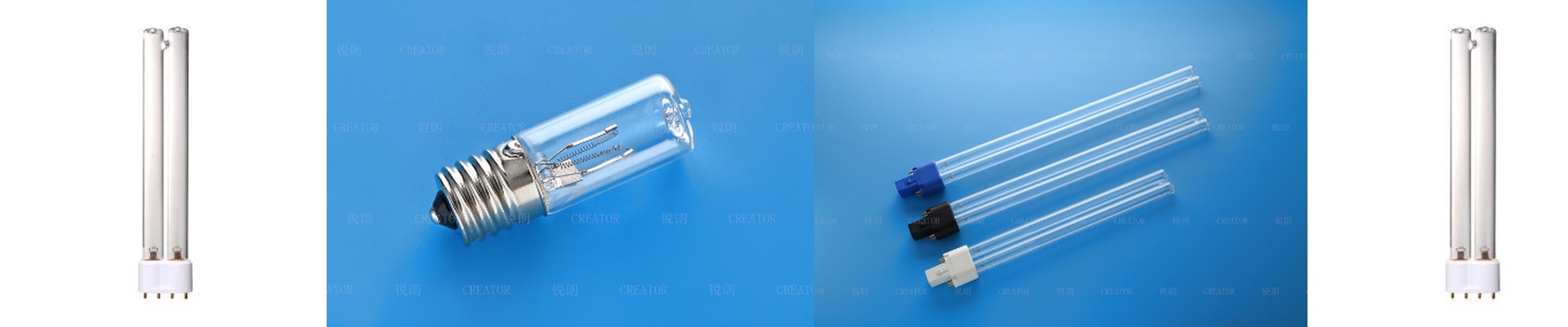

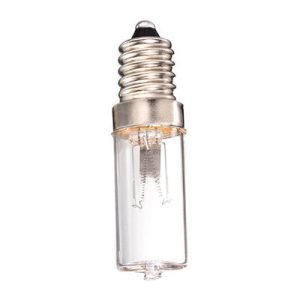
On a photoresist line, a UV start that fails isn’t just downtime. It’s scrap, rework, and a scheduler scrambling to cover missed deliveries. The root cause often sits where nobody looks closely enough: the electrical match between trigger and lamp. If the trigger can’t deliver the right ignition pulse and keep the arc stable, the lamp hunts for power, and exposure dose drifts. What matters, technically Gallium iodide lamps are built for the photoresist band. They concentrate energy around 365–405 nm, aligning with common photoinitiator absorption and delivering consistent cross-linking. We need stable spectral output and low spectral drift so the resist sees the same irradiance, cycle after cycle. Peak irradiance should repeat from lamp to lamp, and total output should hold flat over life. Expect long service life and low decay, typically staying within a tight output window over thousands of hours. The trigger has to match the lamp’s ignition profile and electrical impedance; otherwise, the lamp can flicker during warm-up, and dose uniformity falls apart. Why it works on the line When trigger and lamp are matched, start failures drop and exposure repeatability tightens up. You get tighter critical dimensions, fewer pinholes, and less re-exposure. Energy use falls because the lamp hits stable output quickly and stays there. Fewer lamp changes mean less maintenance and less risk of contamination on the optics and stage. The payoff is predictable throughput, stable yield, and fewer line stops. Here are the things to keep straight Match the trigger to the lamp’s rated power, ignition voltage, and current profile. Confirm connector compatibility, lead length, and grounding. Keep reflectors clean and aligned; a contaminated reflector scatters energy and cuts dose. Measure irradiance with a calibrated radiometer at the resist plane, not at the lamp. Plan for heat management and ozone-free operation where it’s required. And make sure the lamp’s spectral curve lines up with your photoresist chemistry—even a small mismatch can shift exposure time and tolerance.