
Getting Your PCB Curing Right with Gallium Iodide Lamps
If you’ve ever struggled with photoresists that just won’t set or specialty inks that stay tacky, you know the frustration. Standard mercury lamps are fine for some things, but they often miss the mark on the deeper UV range you actually need for high-precision boards. That’s where Gallium iodide comes in.
The Secret is in the Spectrum
We design these lamps to handle the tight tolerances of photolithography without the headache. Because of the chemistry we use, the light hits a different peak. It actually penetrates those thicker layers of resist instead of just bouncing off the surface. The result?Faster curing. If you’re running a high-volume line, this is a big deal. It means you can kick up your belt speeds and move more product through the door. We don’t just give you a generic bulb; we help you dial in the wattage based on how fast your conveyor moves and how thick your coating is.
Let’s Talk Hardware (and Heat)
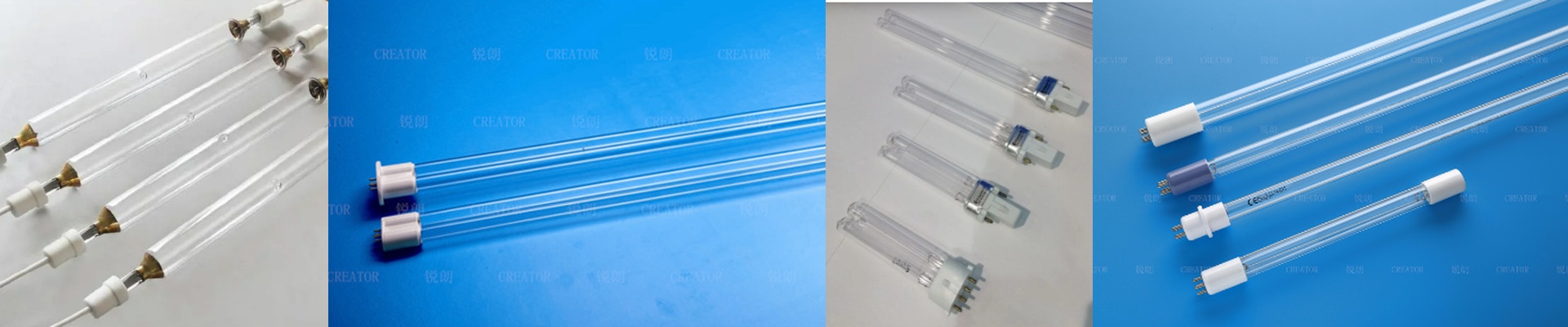
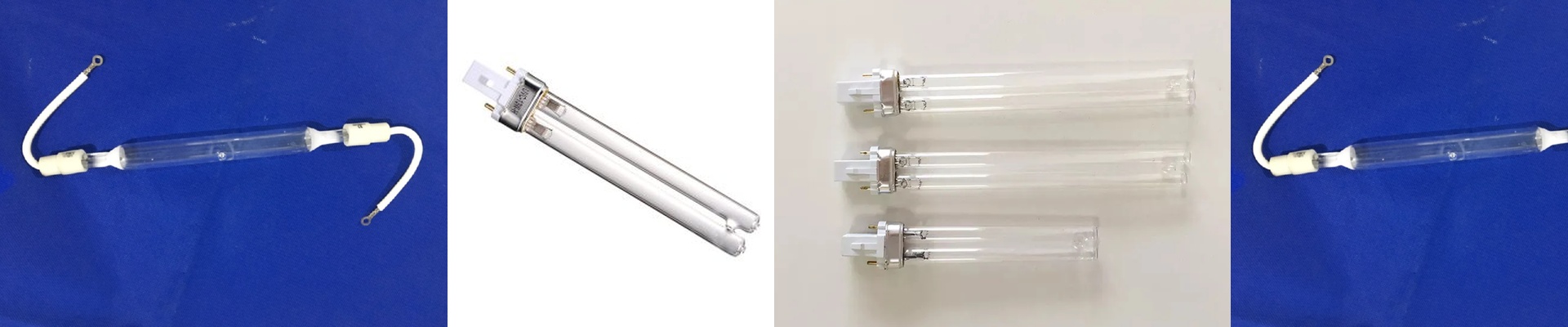
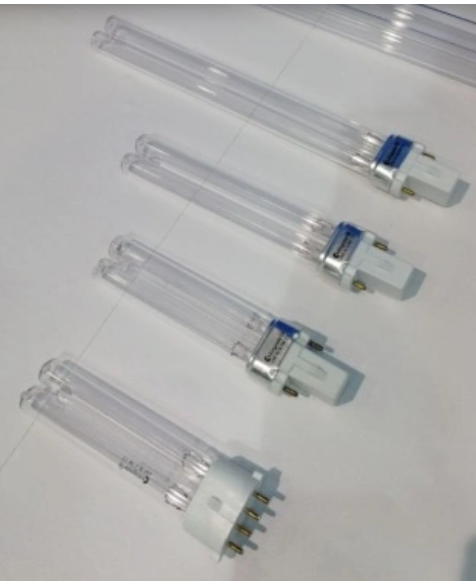
We use high-purity quartz for the envelopes. Why? Because regular glass absorbs UV light, which is basically like paying for power you aren’t actually using. Plus, we keep the connectors standard. You can just slide these into most existing UV tunnels and get to work. But here is the catch:these things get hot. When you’re pushing that much energy to get a fast cure, you’re creating a lot of thermal load. If your cooling fans are choked with dust or your airflow is a mess, two things happen: your lamps die early, or your boards start to warp. It’s a nightmare. You need a cooling system that can actually pull that heat away from the quartz constantly.
Pro Gear for the Smaller Shops
Let’s be honest. Most small-to-mid-sized shops get squeezed. You’re often forced to choose between cheap, unreliable lights or overpriced, proprietary systems that lock you into a specific brand. We wanted to change that. We build these Gallium iodide tubes so smaller plants can get the same precision as the Tier-1 giants, but without the “big brand” markup. You can wire them straight into your current ballast setups. They’re built to take a beating in a real factory environment while keeping the light consistent across the entire width of your PCB. No dead spots, no guesswork. Just boards that cure correctly every single time.