
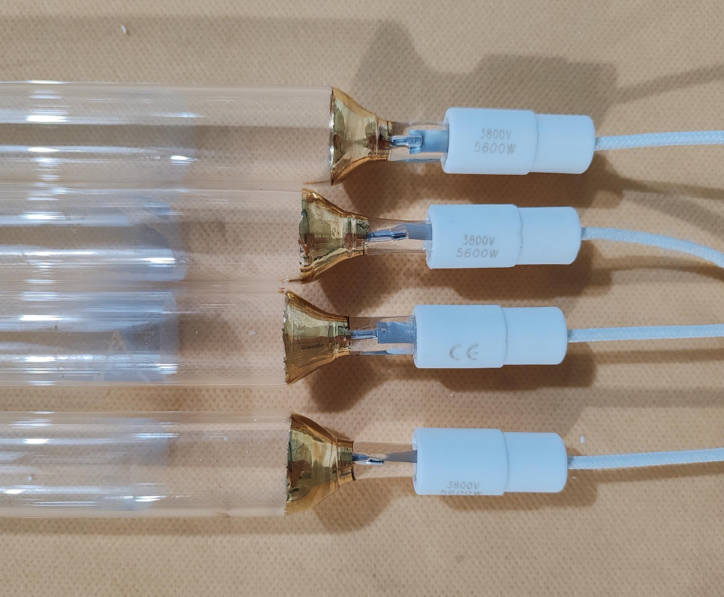
On the press, that 365 nm peak isn’t a “nice-to-have.” It’s the line between sheets you can stack and sheets that end up tacky and scrapped. When the UV system doesn’t pull its weight, you don’t just bleed time—you lose yield and repeatability.
What actually matters under the hood
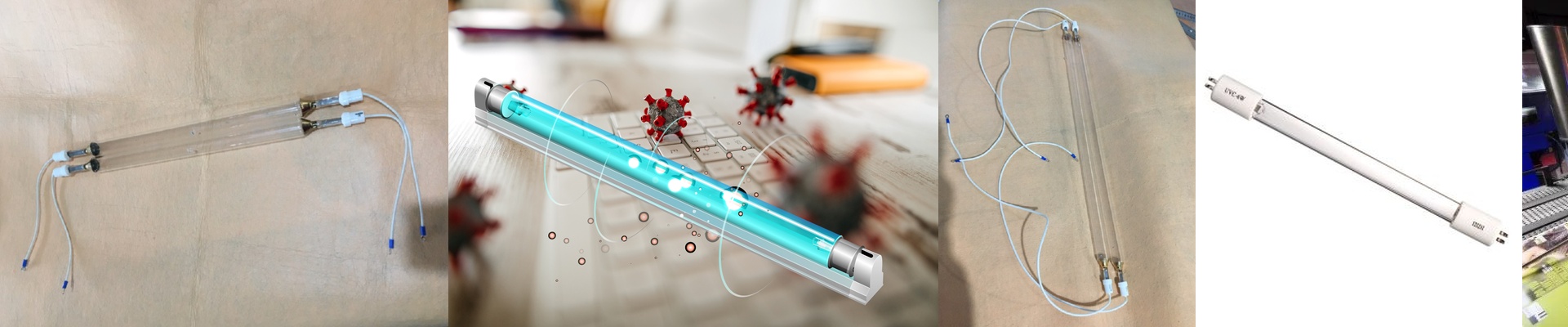
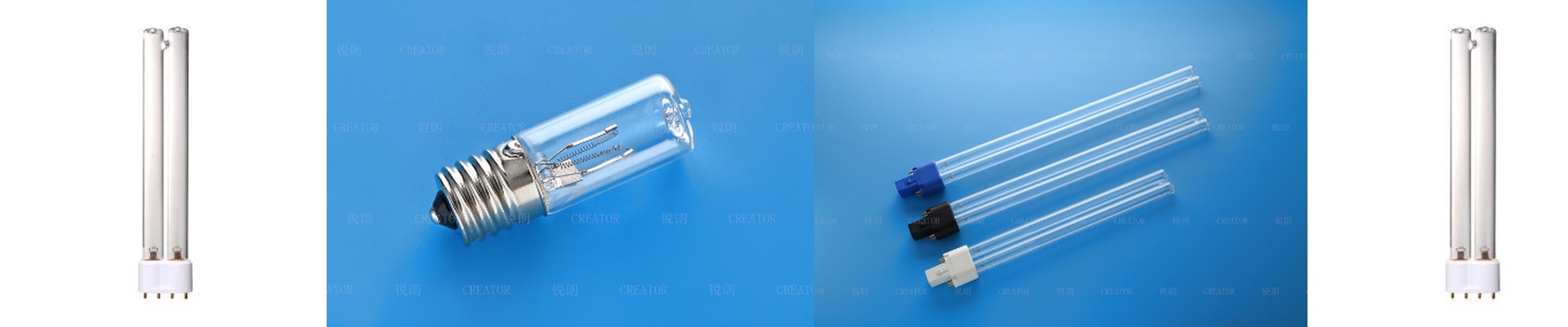
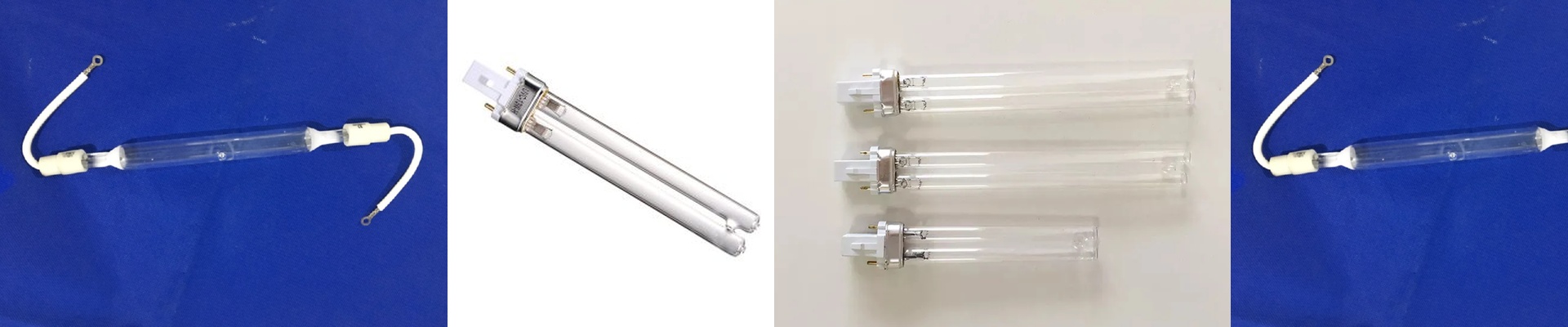
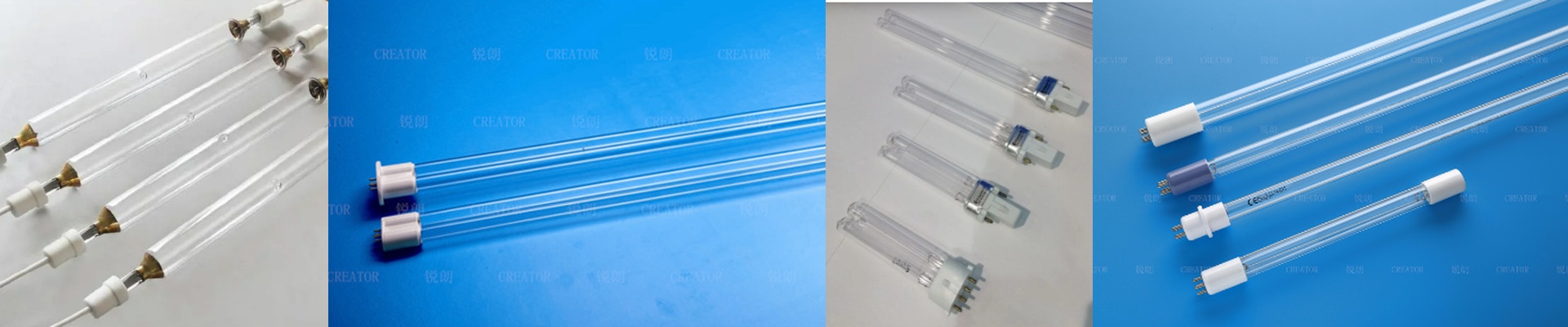
Gallium iodide UV lamps push the spectrum toward 365 nm with tight bandwidth control, so the output lines up with the photoinitiator absorption in UV offset, flexo, and screen inks. Peak irradiance holds where the reflector was designed to focus it, giving you consistent energy density (mJ/cm²) across the web. The quartz envelope and dichroic coating keep heat in check while stabilizing output, and ozone-free operation helps you avoid gunk building up downstream. Expect stable output over 3,000–5,000 hours—controlled degradation, not a hard cliff at the end.
Why this works in industrial print
On high-speed presses, cure speed is what caps your throughput. Gallium iodide lamps deliver the photon flux you need at 365 nm, so cross-linking finishes before the sheet hits the delivery pile. You can run higher line speeds without solvent drag, and surface cure is immediate—handy for varnishes, adhesives, and pigmented systems that need depth without baking. Power is spent on the right spectral work, not wasted as broadband excess, and fewer lamp changes translate to less downtime.
The shop-floor details you can’t skip
Match lamp length, arc gap, and reflector geometry to the curing module. A mismatched reflector throws away irradiance and can spike substrate temperature. The ballast has to be compatible with the lamp’s electrical profile, and water cooling needs stable flow—temperature swings shift output and shorten lamp life. Confirm ozone-free seals and that connectors are rated for your machine, then verify spectral output with your radiometer. This setup is optimized for 365 nm; if your ink set leans on longer wavelengths, you’ll need a different lamp chemistry.