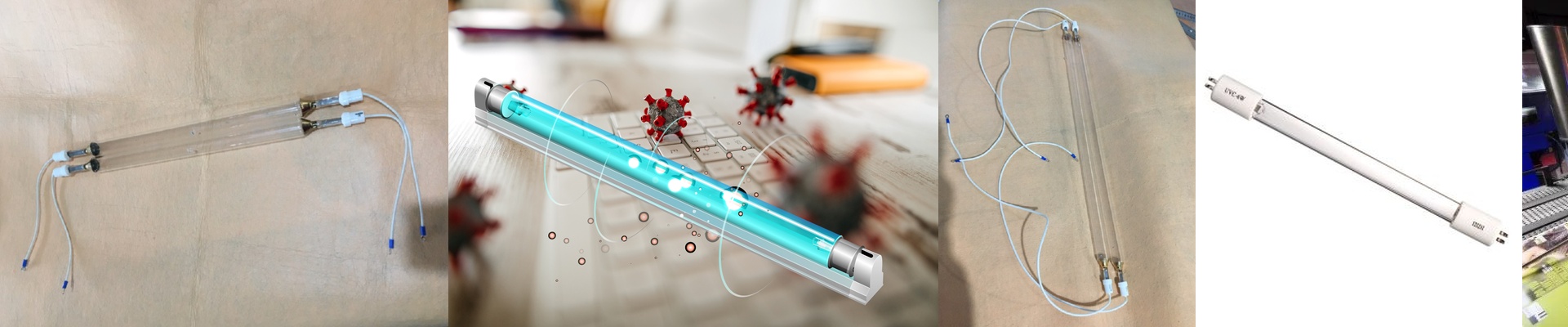
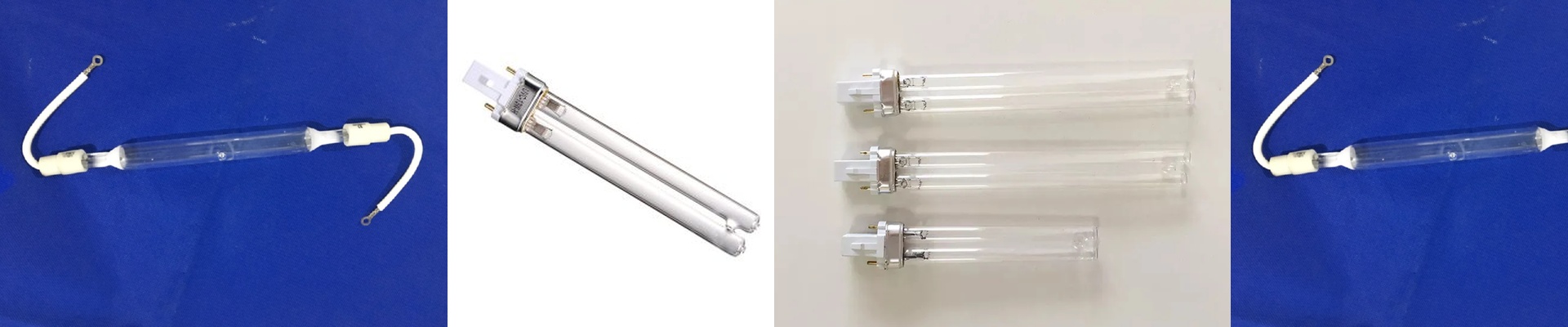

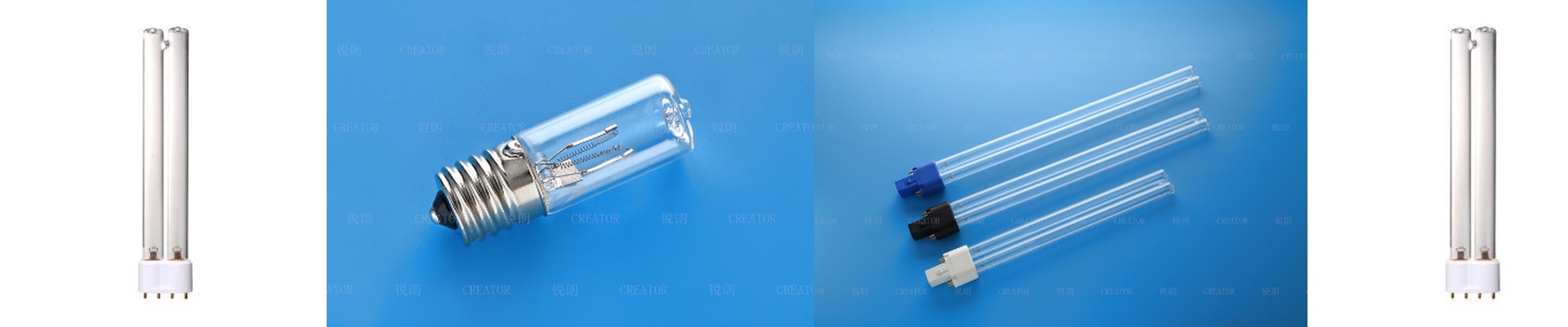
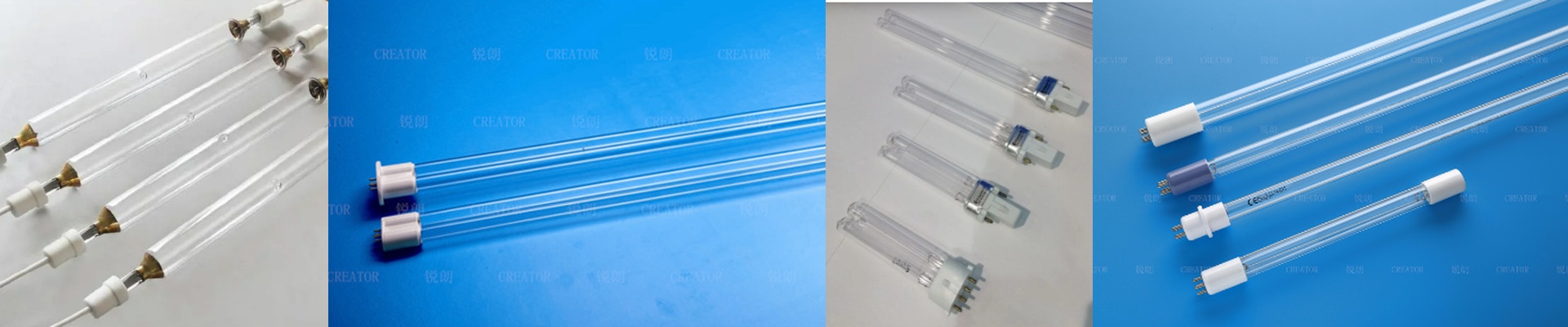
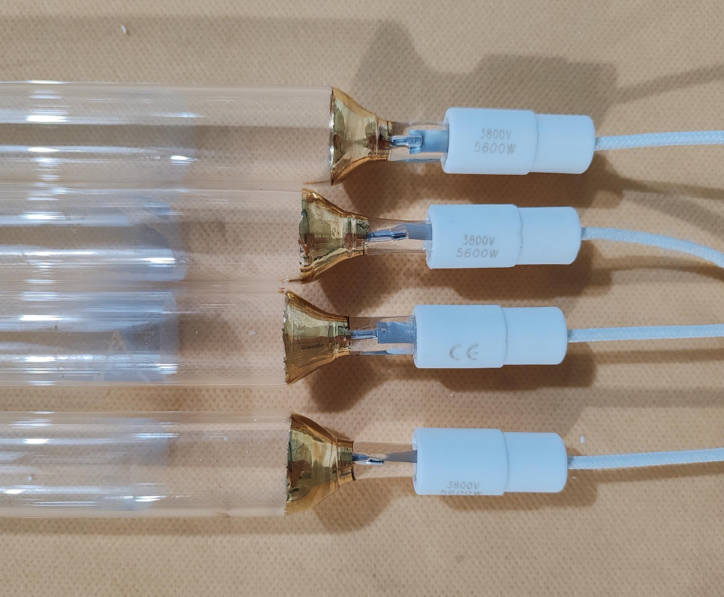
On the floor, every kilowatt your UV system pulls hits the P&L. When you’re running screen protector lines, the real question is simple: how do you keep full cross-linking and scratch resistance without burning money on electricity? We built this UV curing lamp for screen protector work to deliver repeatable cure while cutting the power draw.
What matters under the hood
It runs a high-pressure mercury vapor lamp, tuned to 365 nm to match the photoinitiators in hard-coat formulations. You get 1200 mW/cm² peak irradiance at the substrate plane—enough to drive rapid polymerization without overheating thin films. Power density is set at 120 W/cm, and the arc stays stable enough to hold spectral output within ±2% over the life of the lamp. A dichroic-coated reflector pushes more UV onto the work, and the ozone-free design keeps ventilation straightforward.
Why it fits this job
Screen protector printing demands a cure that’s fast, uniform, and compatible with PET and TPU. The 365 nm output hits both surface and through-cure in one pass, so you can run up to 25 m/min without residual tack. You save energy because the system heats the UV band you need, not the whole air around it. In the field, we’ve seen electricity bills drop up to 20%, while adhesion and pencil hardness stay on target. Lamp life clears 3000 hours, and the reflector geometry holds beam uniformity across the full print width.
Practical notes from the bench
Make sure the lamp matches the curing station: verify reflector width, focal distance, and shutter interface. Output is sensitive to cooling airflow and substrate reflectivity, so hold air volume steady and keep the quartz window clean. Check compatibility with your screen press or coating line, especially if you’re running hybrid inks or thicker coating layers. Plan on a spectral radiometer to baseline irradiance, and set a preventive replacement schedule to catch output drift before it becomes a problem.