
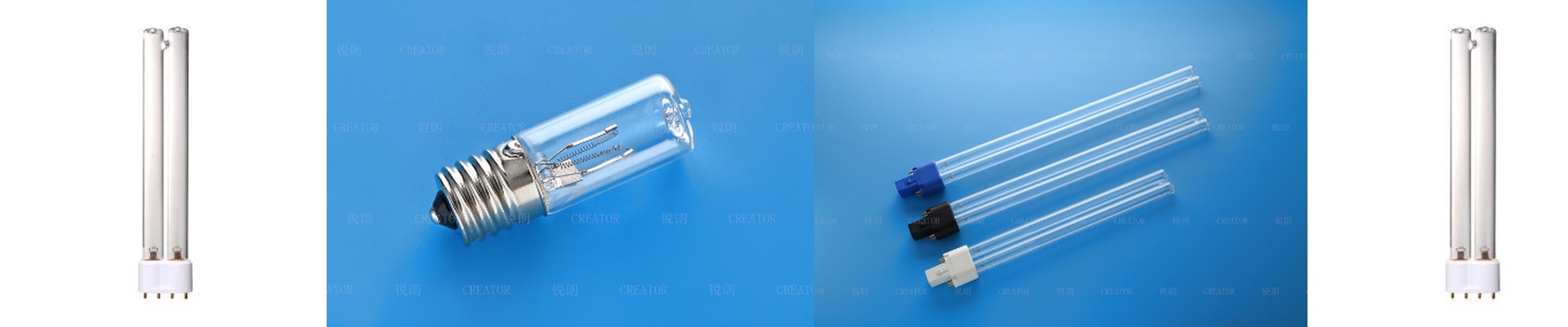
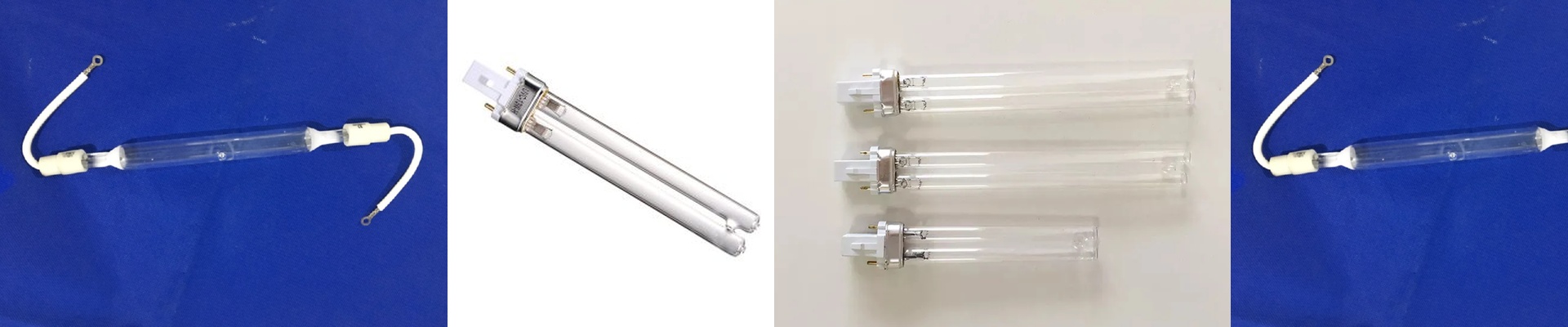
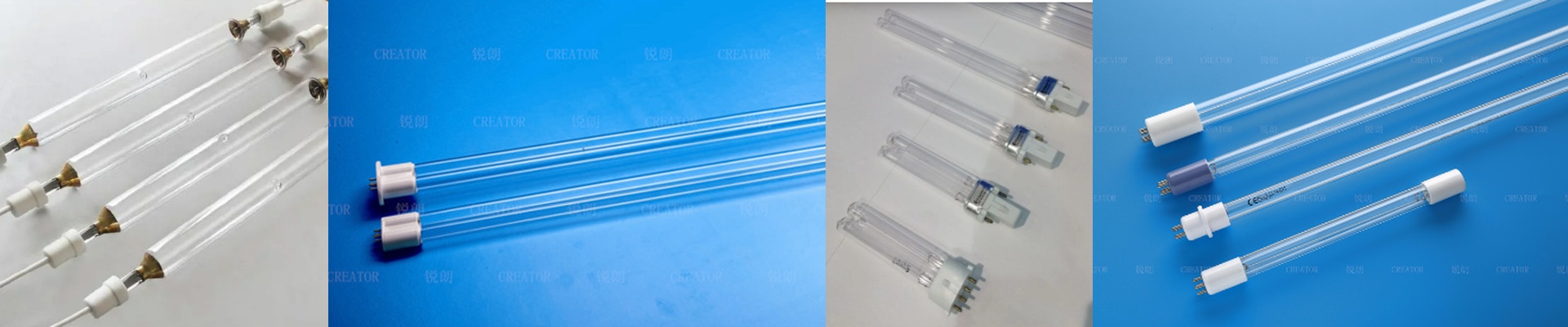
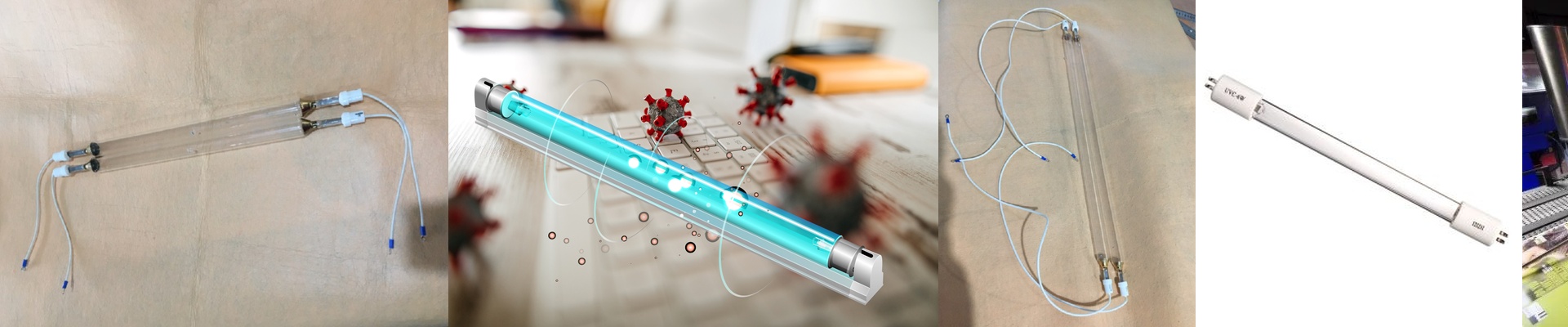
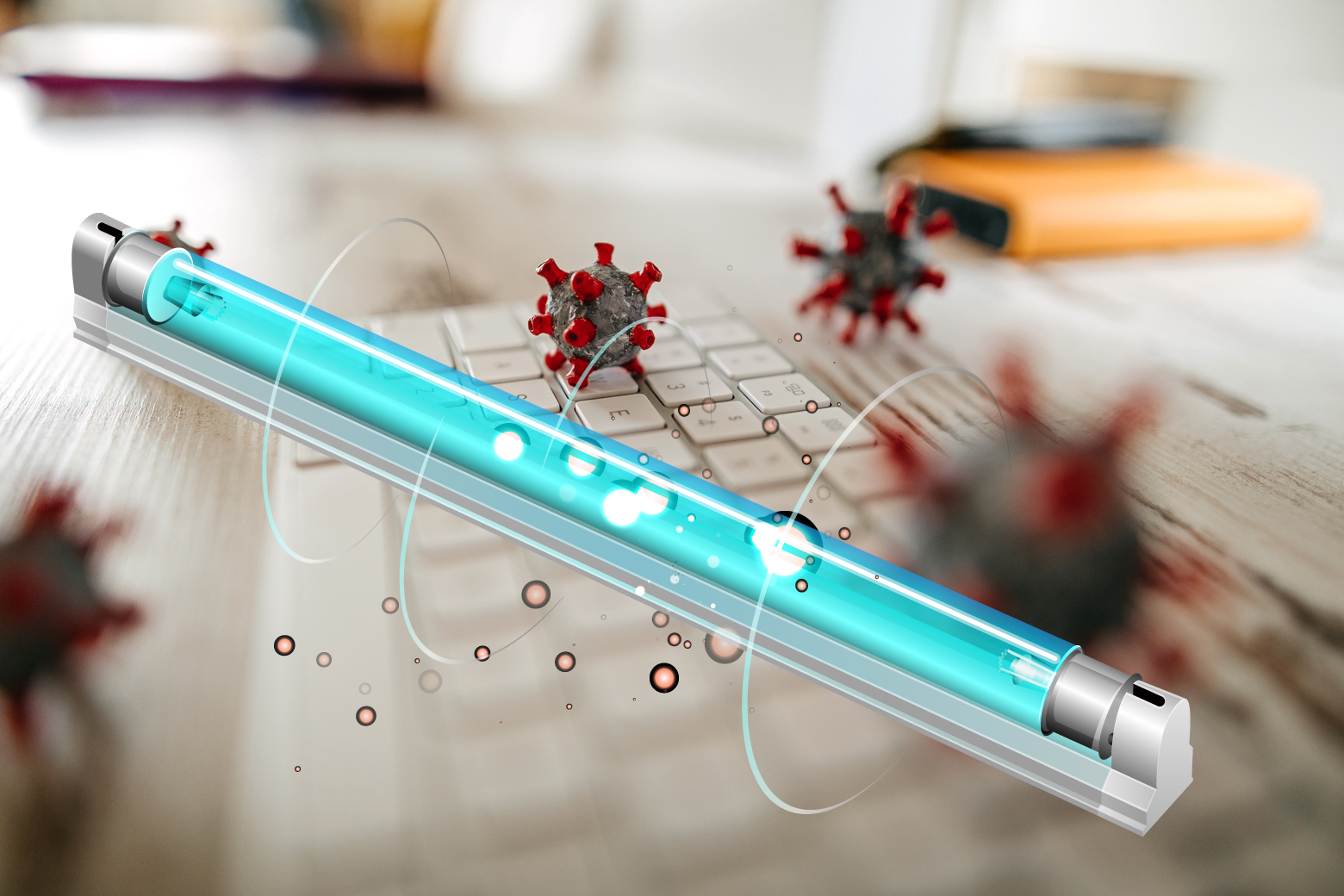
In our lab, we don’t chase looks—we chase spectral control. For reptile habitats, the lamp has to deliver repeatable output at the biologically active wavelengths, not a broad blast of heat. We treat the UV source like an optical instrument, because any drift in output shows up as inconsistent basking zones and unreliable vitamin D3 synthesis. What matters, technically We build the reptile UV lamp around a stabilized mercury-vapor discharge, tuned to hit the action spectrum with tight tolerance. Peak output lands where it’s needed, and irradiance is controlled so substrates don’t overheat. The quartz envelope and reflector geometry are chosen to manage heat load while keeping output stable over time. We rate lamp life by the output degradation curve, not by calendar, and we back it up with spectral radiometer measurements. Why it holds up in practice In terrariums, the payoff is repeatable performance under real conditions. You get consistent UV intensity at the basking surface, so husbandry protocols stay repeatable and enclosure-to-enclosure variation drops. The design cuts down on stray long-wave energy, which helps keep temperature gradients steady and reduces stress on the ballast and housing. The output stays predictable, day after day, with fewer recalibrations. What you need to keep straight Mounting and spacing matter. Output at the target plane depends on distance, reflector efficiency, and line-of-sight obstructions, so stick to the irradiance map and keep the lamp axis aligned. Confirm ballast compatibility and thermal clearance—poor ventilation hastens output decay. For ozone-free operation, we pick the right envelope and coating, but the lamp still needs proper handling and end-of-life disposal per local regulations.