
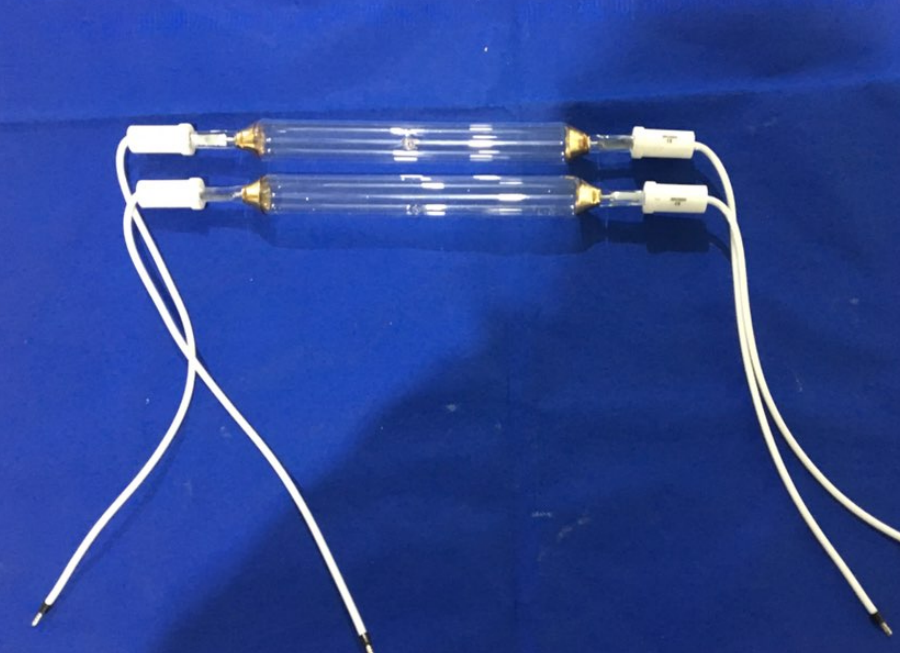
Dealing with Electrical Noise in Your UV Printing Lines
If you’ve got a few large-scale printing presses humming away in one building, you know the electrical environment is a total mess. Between the high-frequency ballasts and those heavy-duty motors, there is a ton of electromagnetic interference (EMI) floating around. When your UV lamps aren’t built to handle that chaos, things go sideways. You get flickering. Bulbs burn out way too early. Or worse, your curing cycles start acting erratic. Keeping the arc steady We focus on one main thing to stop this: arc stability. Think about it. In a busy shop, the power grid takes a real beating every time a machine kicks on. To fight that, we use reinforced electrode materials and quartz envelopes that are engineered for precision. It keeps the arc steady even when the voltage jumps around. It’s the difference between a smooth run and having to scrap a whole batch of work because the ink didn’t cure. It’s all in the pairing Stability isn’t just about the lamp; it’s about how the lamp and the power supply get along. We keep our tolerances tight. We don’t just care about how bright the light is—we care about how the lamp behaves when the rest of the shop is putting a heavy load on the power. By tweaking the internal gas mixture and the shape of the electrodes, we make the lamps way less twitchy when it comes to external noise. The real world on the shop floor Look, you can’t magically erase electrical noise in a factory. You just manage it. Our lamps hold their own in high-interference zones, but they aren’t magic. You still have to wire them right. If your grounding is sloppy or you’re running cables right next to high-voltage motor leads without any shielding, you’re going to have problems. No lamp can fix bad wiring. Just make sure your power distribution is actually built for the total load of every press running at once. Otherwise, those voltage drops will stress your ballasts, and that’s where the real headaches start.