
Why 253.7nm is the Magic Number
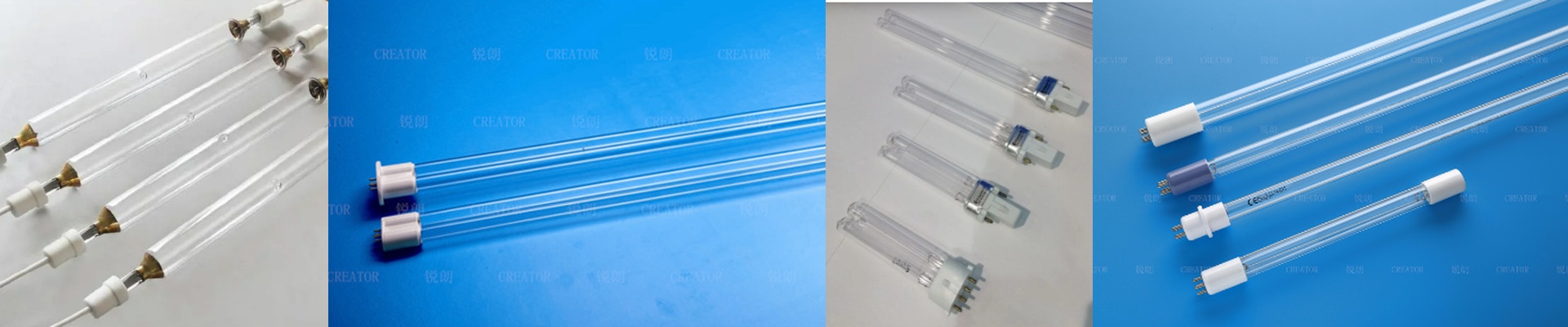
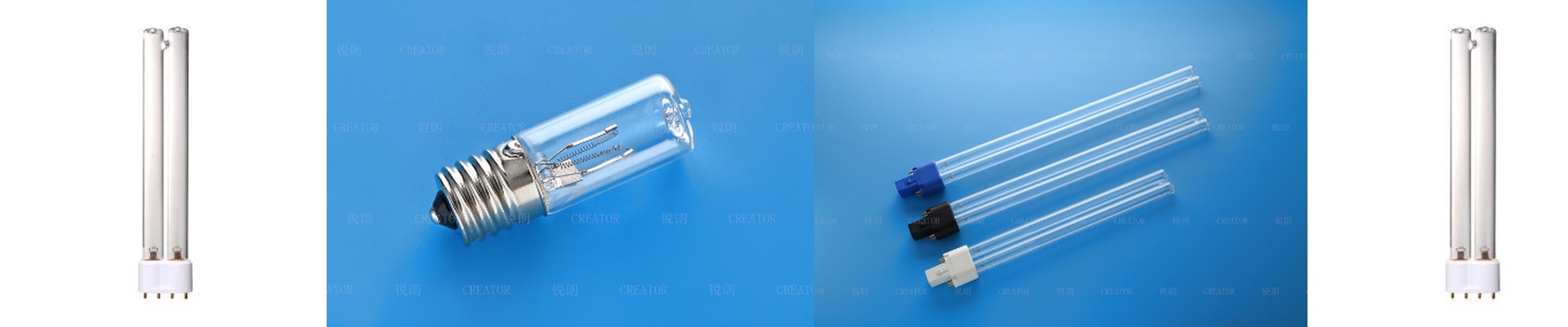
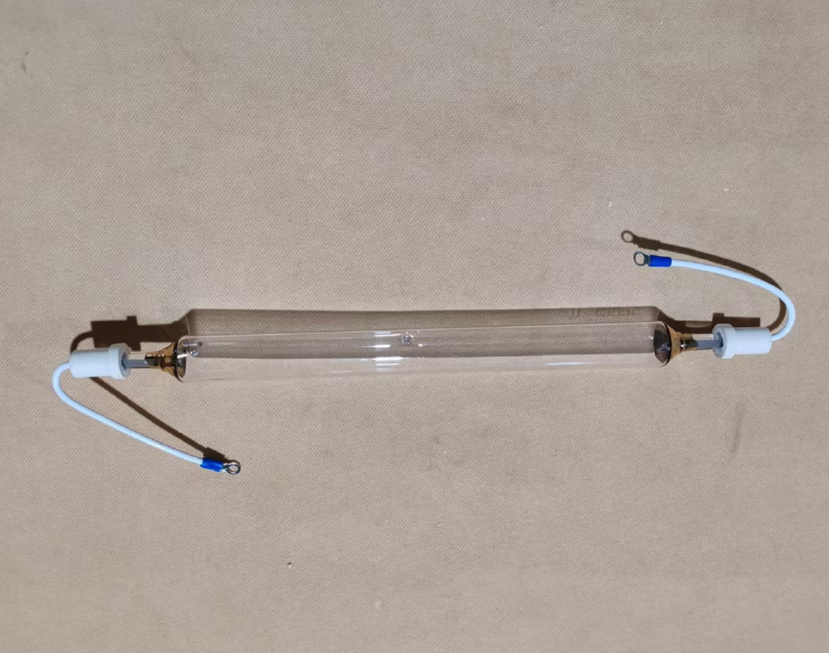
In our lab, we don’t just throw “UV-C” around as a general term. That’s too vague. We obsess over 253.7nm. Why? Because that’s the sweet spot. It’s exactly where DNA and RNA soak up the most energy. If your lamp drifts even a tiny bit, you’re losing the very thing that makes sterilization work. To keep that power moving, we use specific quartz glass. If the glass isn’t right, the tube actually eats the energy instead of letting it hit the target.
The Ozone Problem
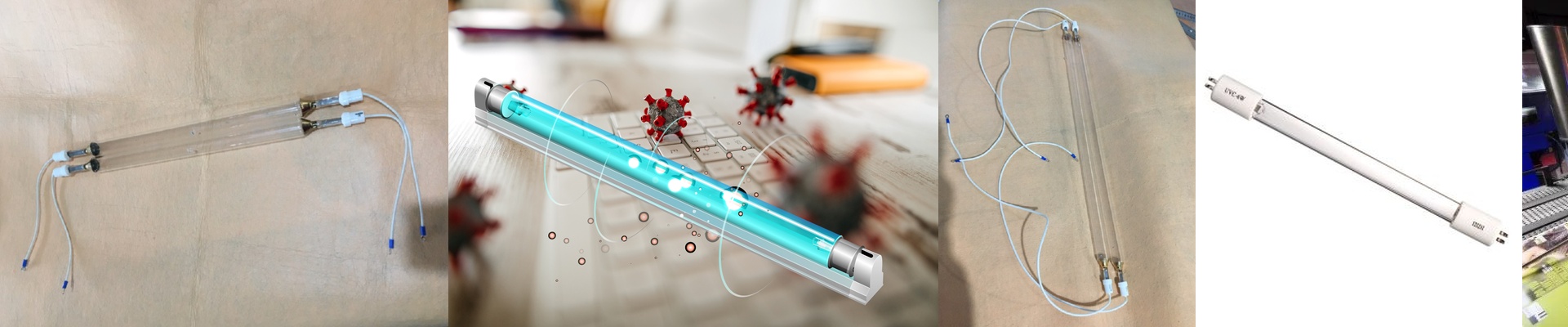
There’s a tricky balance here. We want intensity, but we don’t want to create a toxic environment. Most germicidal lamps aim for 254nm to stay far away from the 185nm range. That shorter wavelength reacts with the oxygen in the air to create ozone. Now, ozone is great for scrubbing surfaces, but it’s nasty for your lungs. We tweak our cathodes to kill off those shorter waves. That way, once the system clicks off, the air is actually safe to breathe.
Don’t Mess with the Wiring
You can’t just plug these things into a standard wall outlet and hope for the best. We build in UV-leakage sensors for a reason. If a shield slips or someone opens a door, the power cuts instantly. You don’t want to be caught in the open. Direct exposure to 254nm gives you photokeratitis—which is basically a sunburn on your eyeballs. It happens in seconds. It’s a nightmare. We also use high-purity fused quartz for the outer shell. It can handle the heat swings without cracking or clouding over. Cheap glass “solarizes,” turning a milky brown color. Once that happens, your UVC output dies.
Playing the Long Game: Intensity vs. Life
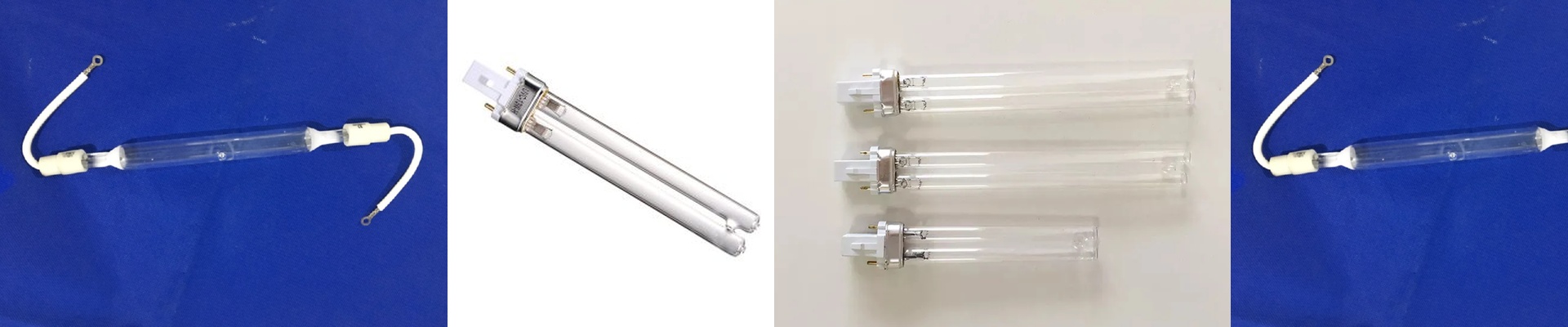
It’s tempting to crank up the wattage to clear a room faster. But there’s a catch. Running a lamp at full blast burns out the electrodes way too quickly. We’ve found the sweet spot is around 80% of the rated maximum. Sure, the cycle takes a bit longer, but you aren’t spending your weekends swapping out tubes every few months. Just make sure your ballasts match the lamp’s current draw. If they don’t, you’ll end up overheating the sockets, and nobody wants to deal with that.