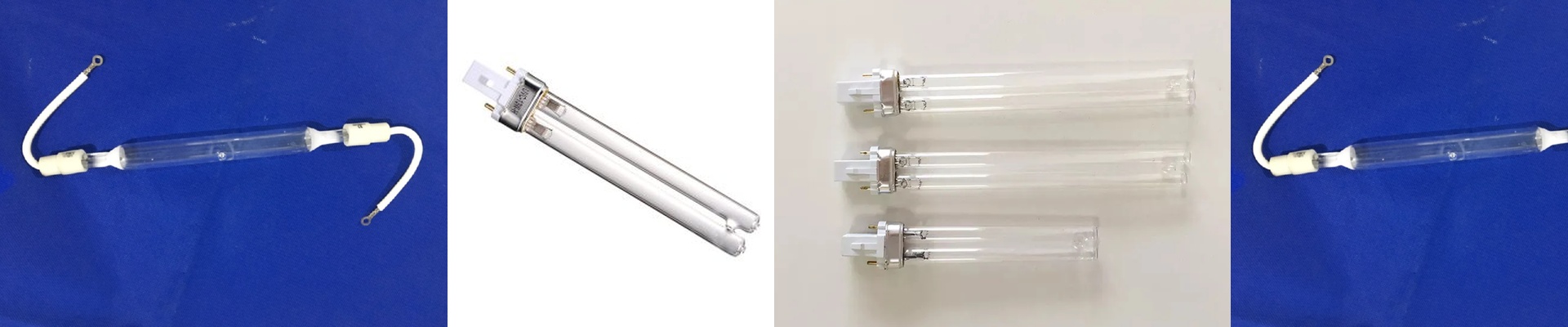

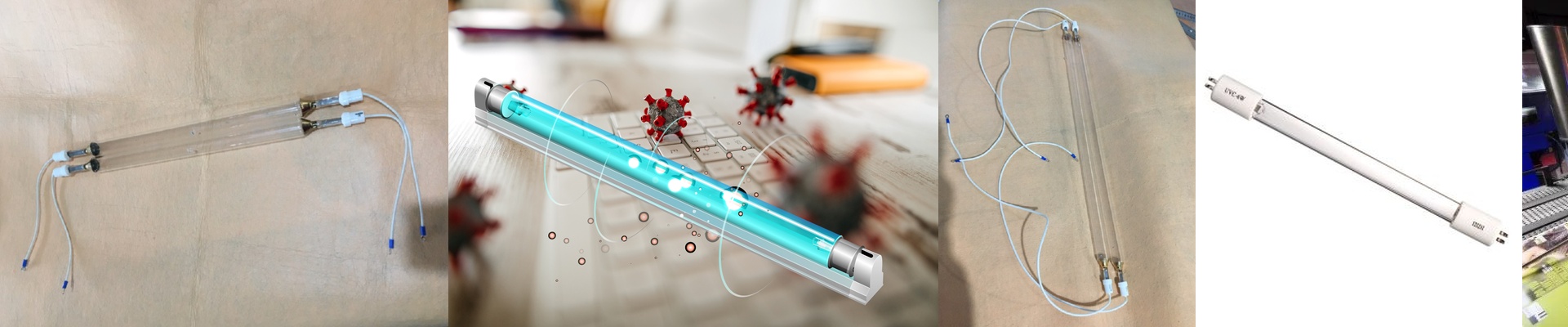
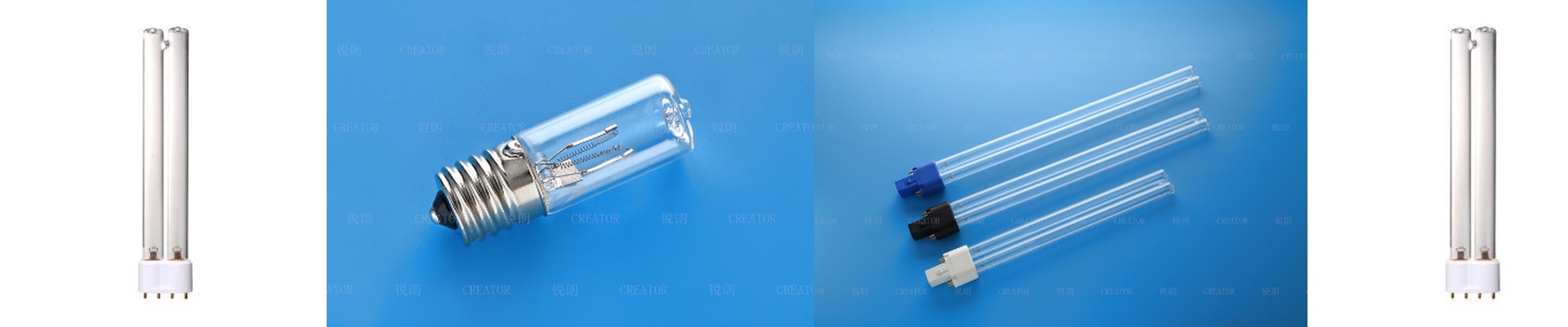
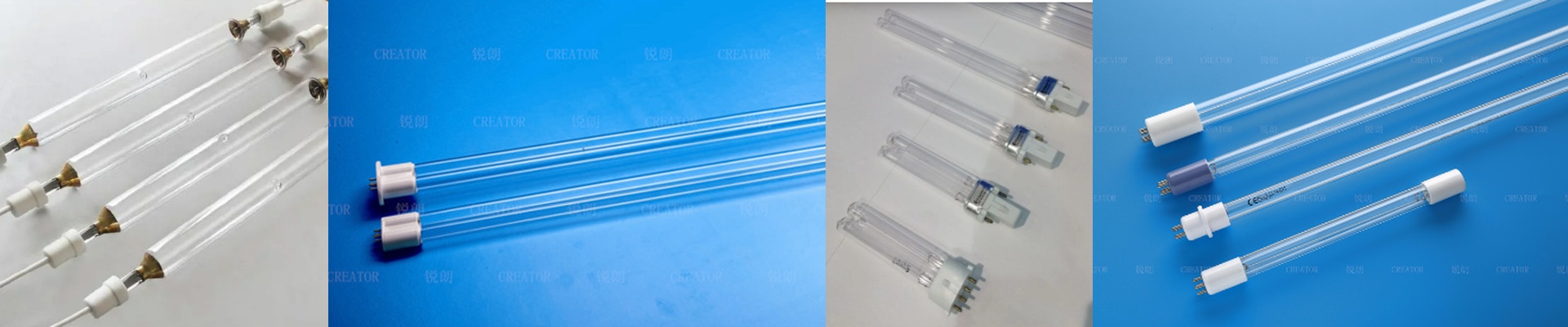
Why the “Paperwork” Behind Your UV Lamp Actually Matters
When you’re picking out a UV curing lamp for an automated line, it’s easy to just see it as a light bulb. But it’s more than that. You’re basically plugging a high-energy beast into a complex electrical system. And if you’re shipping your machinery overseas? The origin of that lamp can be the difference between your gear arriving on time or getting held hostage at customs.
The headache of “generic” parts
Here’s the thing: a lot of generic UV lamps are just copies. They mimic the reflector shapes or electrode setups of the big players. If your line uses a lamp that steps on someone else’s patent, you’re opening yourself up to IP lawsuits or—even worse—having your shipment blocked at the border. It’s a nightmare you don’t want. We do things differently. We use our own patented tech for the quartz envelope and the gas mix. Because we own the design, you get a clean bill of health for your exports. No guessing games. Just documented, verified IP.
The heat struggle
High-intensity curing is always a balancing act. You want that hit of UV power, but you don’t want to melt your conveyor belt in the process. But there’s a catch. To get that kind of density, these lamps runhot. If your cooling fans are weak or your heat sinks aren’t up to the task, the lamp is going to burn out. It doesn’t matter who holds the patent if the hardware is overheating. You’ve got to get the airflow right.
No middlemen, no mysteries
We hand over the full technical dossier for every lamp—spectral curves, patent certs, the whole works. When you wire it into your PLC, the power draw stays steady. Plus, since we’re the ones who actually designed the arc, you’re talking directly to the engineers. No middlemen. No “let me check with the factory” delays. If you need a replacement part for a site halfway across the world, you can trust the specs are exactly the same. It just works.