
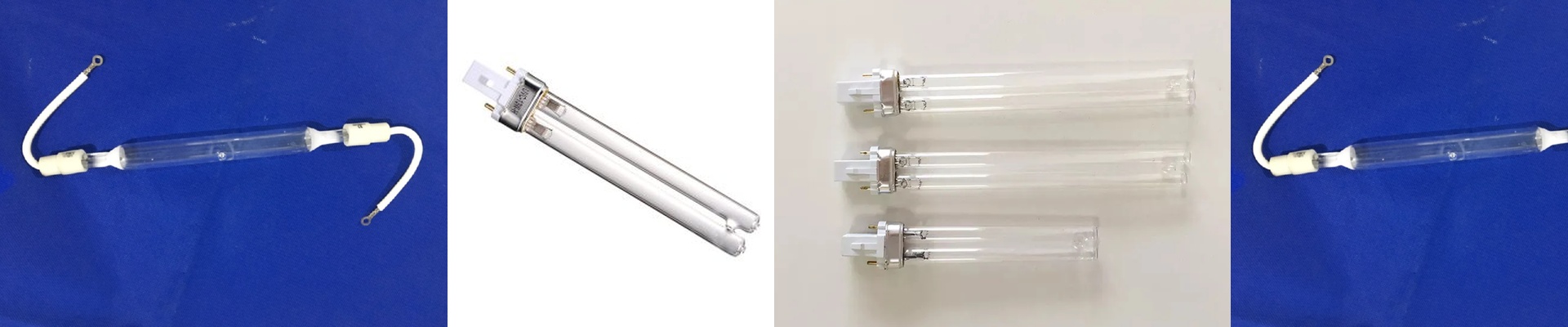
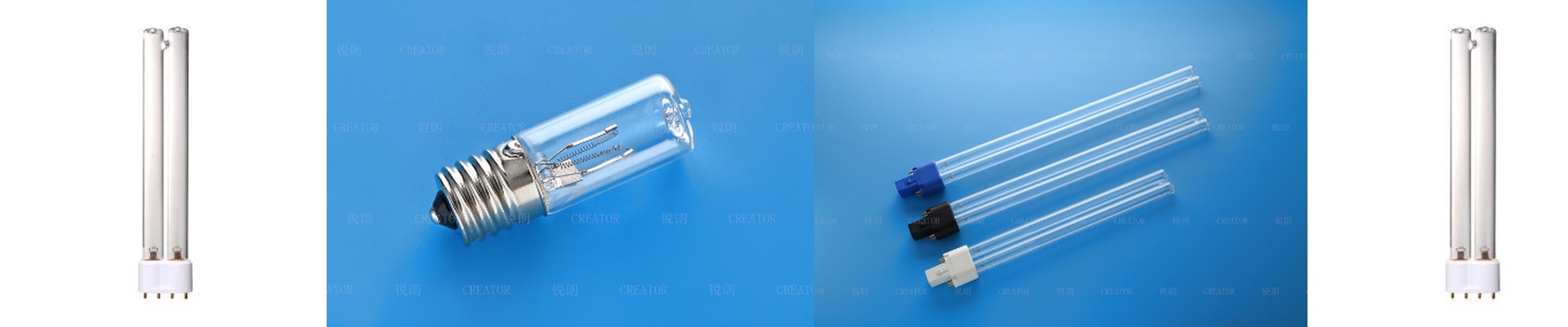
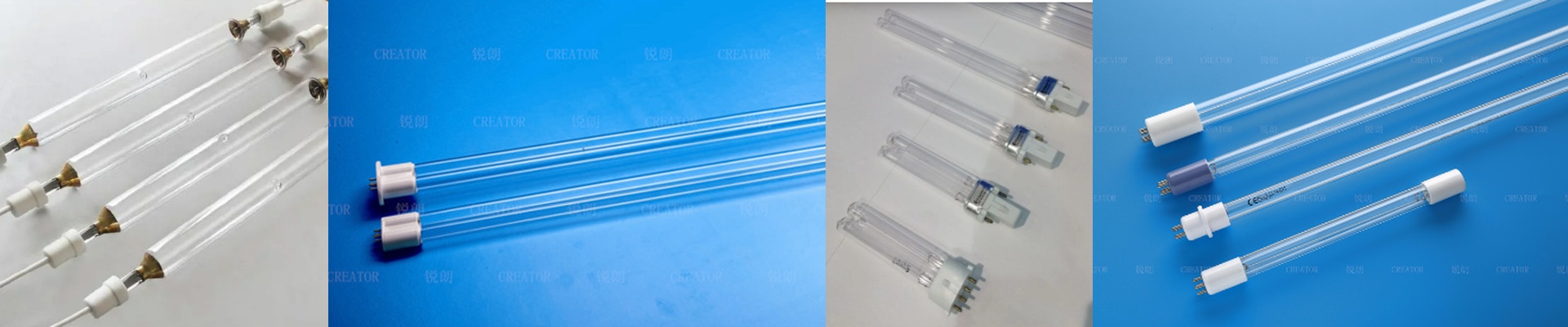
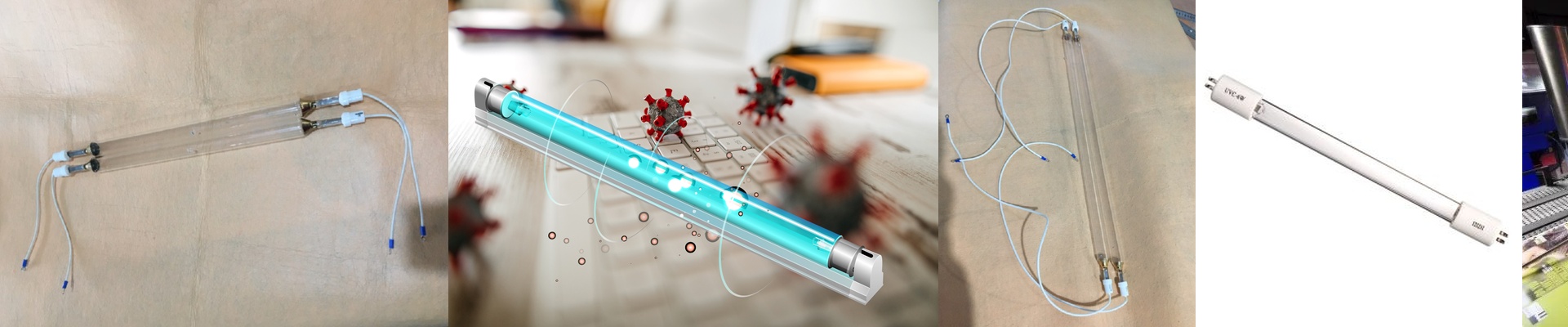
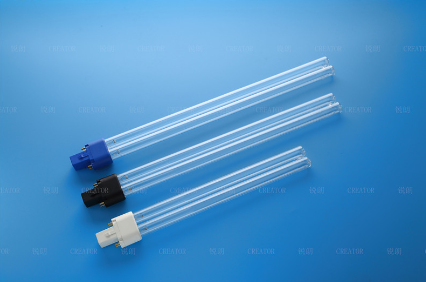
15 Years of Tweaking Mercury UV Lamps (And Why It Matters)
We spent fifteen years playing the long game. We started out just doing OEM work for other people, but eventually, we wanted to build our own brand. The goal wasn’t to reinvent the wheel or claim we had some “magic” lamp. We just wanted to hit those incredibly tight tolerances that the big global players use. On paper, a mercury UV lamp is simple: you run an electric arc through vaporized mercury. But in the real world? Getting that stability to stick over the long haul is a total nightmare. The heat is the enemy. Most of the time, when a UV curing line fails, it’s because the lamp just couldn’t handle the heat. That’s why we obsess over the quartz envelope. If the quartz is dirty or full of impurities, it starts absorbing the UV radiation instead of letting it through. It gets hot. Then it cracks. We use high-grade fused quartz so that the 254nm peak stays steady. Now, there’s always a trade-off with power density. Sure, you can cram more wattage into a shorter tube to speed up your curing, but you’re putting massive stress on the electrodes. If your cooling system isn’t built to rip that heat away fast enough, you’ll watch your lamp life tank by 30% or more. It’s a balancing act. The little things that break Usually, the lamp dies right at the connection point. We spent a lot of time messing with the metallurgy of our electrodes to stop pitting and sputtering. When the electrode starts to go, the arc wanders. Then your UV intensity dips, and suddenly your product isn’t curing right. Then there’s the gas fill. It’s a delicate thing. Too much mercury and you’re basically running a heater (too much infrared); too little, and your UV output just disappears. We spend a lot of time getting that pressure exactly right. Keeping it simple We made these as drop-in replacements. I don’t want you spending your weekend rewiring a ballast or messing around with reflectors. You should be able to just swap the tube, reset your timer, and get back to work. Look, I’m not going to tell you these lamps last forever. They don’t. Every mercury lamp degrades eventually. That’s why we give you the actual data on the decay curve. That way, you can plan your replacements on your own schedule, rather than finding out a lamp is dead because your product failed a cure test in the middle of a shift.