
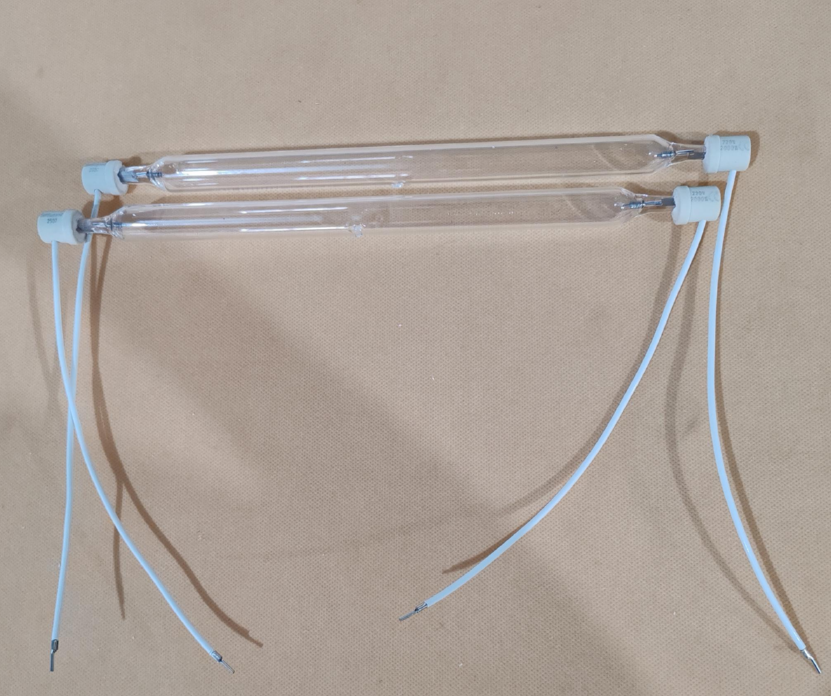
Stop Treating Your UV Lamps Like Lightbulbs
Most people treat UV lamps like any other consumable. You find a part number, hit “order,” and hope for the best. But here’s the thing: these tubes are the actual engine of your curing line. If you’re running high-speed printing or textile inks, the difference between a generic tube and one actually built for your specs is the difference between a perfect finish and a tacky, sticky mess that ruins your day.
Why the Glass Actually Matters
We use high-purity fused quartz. It’s not just about handling the heat. See, standard glass blocks short-wave UV. If you use the wrong stuff, the envelope absorbs the energy instead of letting it through. Fused quartz lets those UV-C and UV-B wavelengths fly right through so the photons actually hit your ink. That’s how you get a real cure. And you’ve got to get the power right. If you run a 400V tube on a lower-voltage driver, it’ll underperform. You’ll end up with “under-cure”—where the surface feels dry to the touch, but the bottom layer is still liquid. On the flip side, trying to force faster line speeds by over-driving the tube just burns out the electrodes. It’s a shortcut that costs you more in the long run.
The Messy Side of Heat and Fit
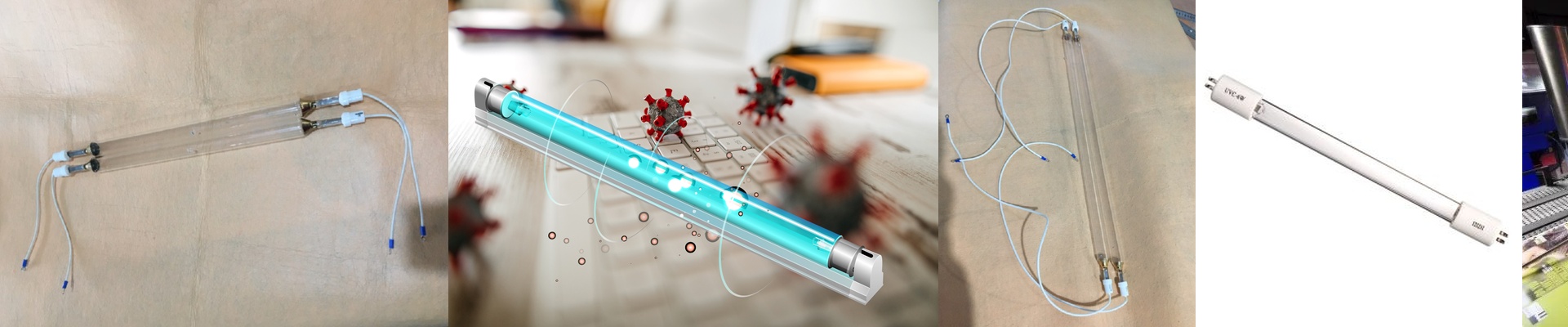
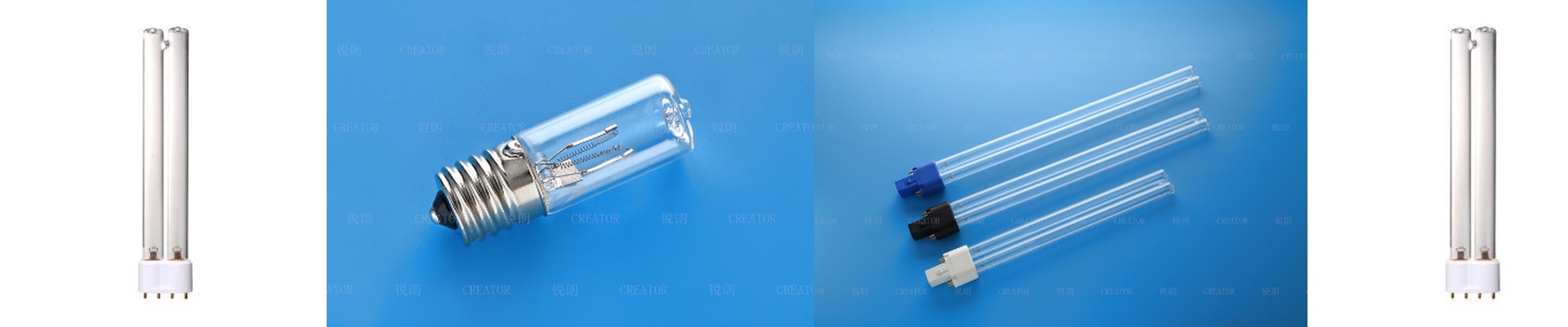
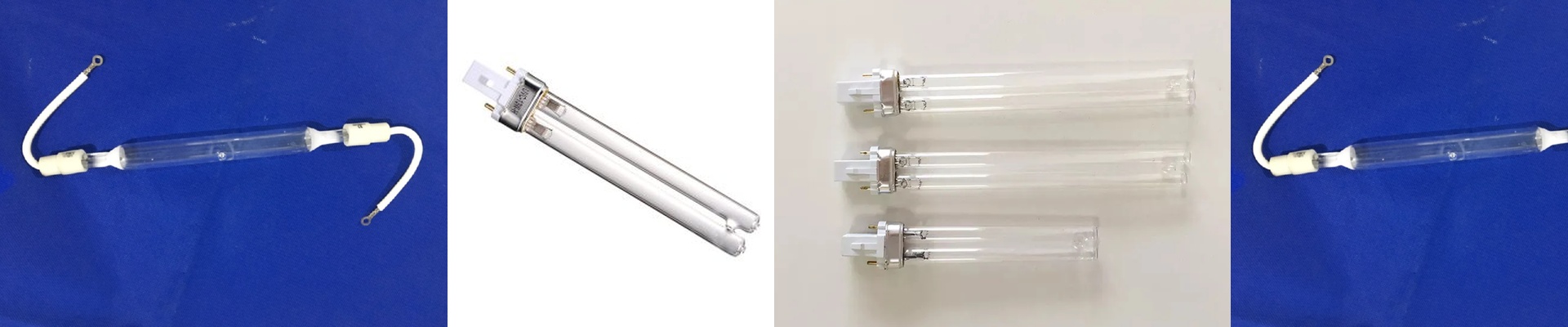
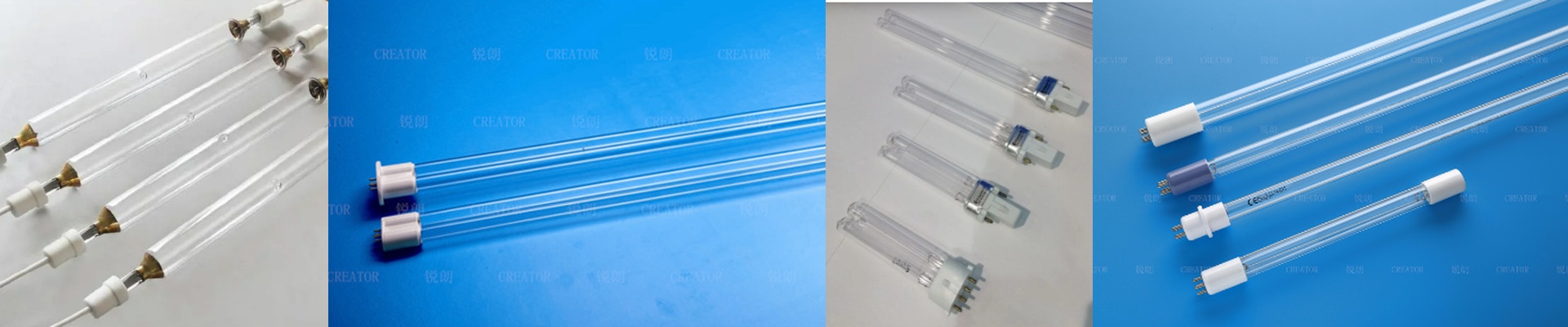
We offer a bunch of different end-cap setups because we want these to be easy, drop-in replacements. Whether you’re using standard pins or something more specialized, the fit has to be tight. A loose connection causes arcing. It sounds small, but that’ll kill a tube in a matter of days. Then there’s the heat. High-output lamps get incredibly hot. The UV does the curing, but the infrared byproduct can warp thin materials or cause your ink to bubble. If you crank up the wattage to move more product, you better check your fans and exhaust. If your cooling can’t keep up, the quartz will stress and eventually crack. We don’t just ship you a box of glass and wish you luck. We’ll actually sit down with you to figure out the right wavelength and intensity for the specific ink you’re using.