
Introduction
We make UV curing lamps for one specific job: the optical fiber line. And in that world, the coating step is a do-or-die moment. One bad cure, and the whole draw is ruined. So these lamps were built to do one thing really well: deliver steady, focused energy that instantly locks the polymer coating—without ever harming the glass core.
Here’s what’s under the hood: power, voltage, and size
The specs aren’t random. We’re talking a 400V high-voltage input, 2500W of power, packed into a 300mm tube. That 400V design matters because it lowers the current draw. In plain terms, your wiring and contactors stay cooler, which helps keep the whole system calm and reliable. Then the 2500W packed into that short length gives you serious watt-density. That’s what makes the line move fast—think meters per second, not minutes. But here’s the part no one can skip:this lamp runs hot. That heat is part of how the energy transfers. So your machine has to be set up to handle it—airflow, heat sinking, the works. If it isn’t, you’ll start seeing power drift and the lamp won’t last as long.
Materials and design: the choices that keep it honest
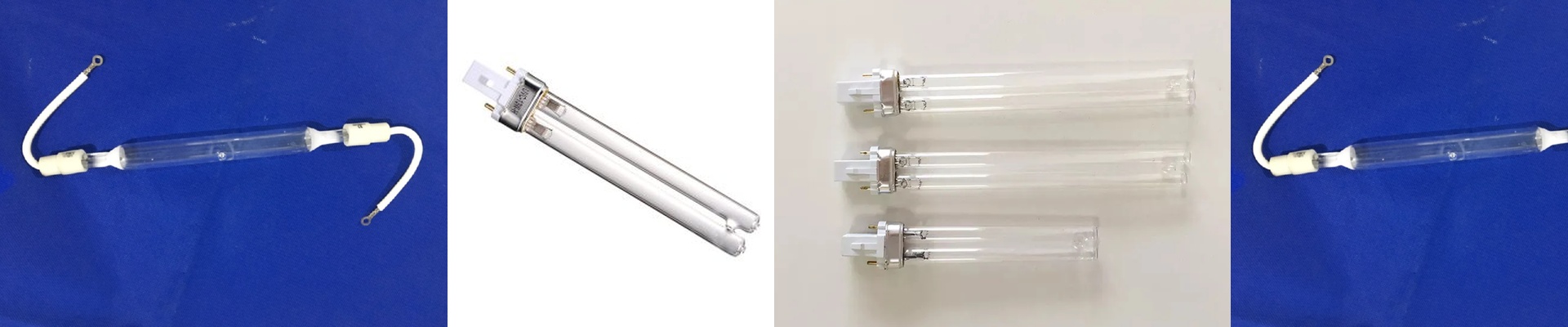
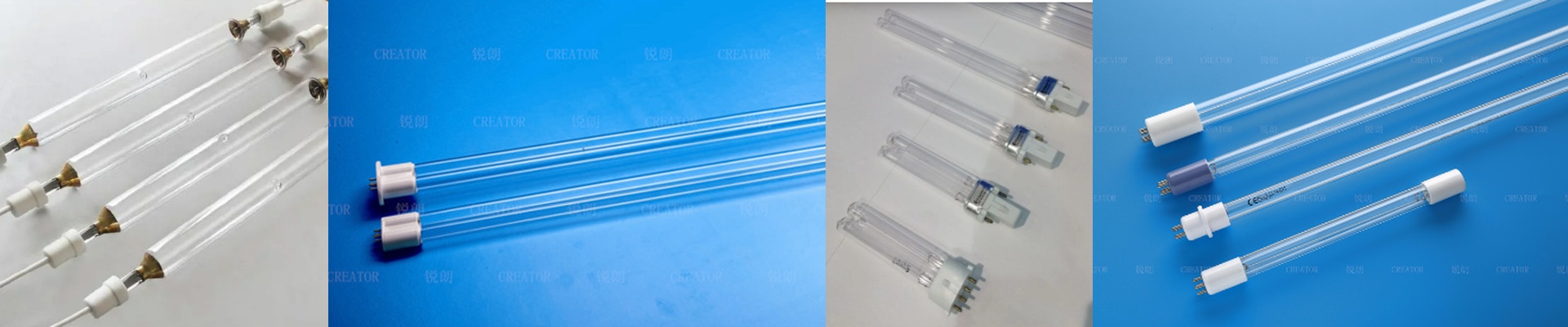
Inside, we use a halogen capsule housed in a quartz envelope. Quartz can take the thermal shock and stays clear enough to transmit UV the way you need. Meanwhile, the halogen cycle helps keep the filament stable, so output stays consistent over the life of the lamp. We also put a reflective coating on the outer wall. Its job is simple: push more energy forward, reduce wasted side radiation, and keep the cure even across the target zone. And the R7s connector? It’s there because it’s a common industrial standard. No adapters, no headaches—just wire it up, align the contacts, and the lamp seats solid.
What it feels like on the fiber line
On the draw line, the coating has to cure fast and clean—no stickiness, no drag, no uncured mess. Our lamp hits that mark with a tight focal profile, so the energy lands exactly where it should: on the fiber as it moves. The payoff is steady cross-linking, stable line tension, and fewer microbend issues later on. Just keep one thing straight: the heat is real. Treat this like industrial equipment—give it proper cooling and mounting—and it will keep performing shift after shift.