
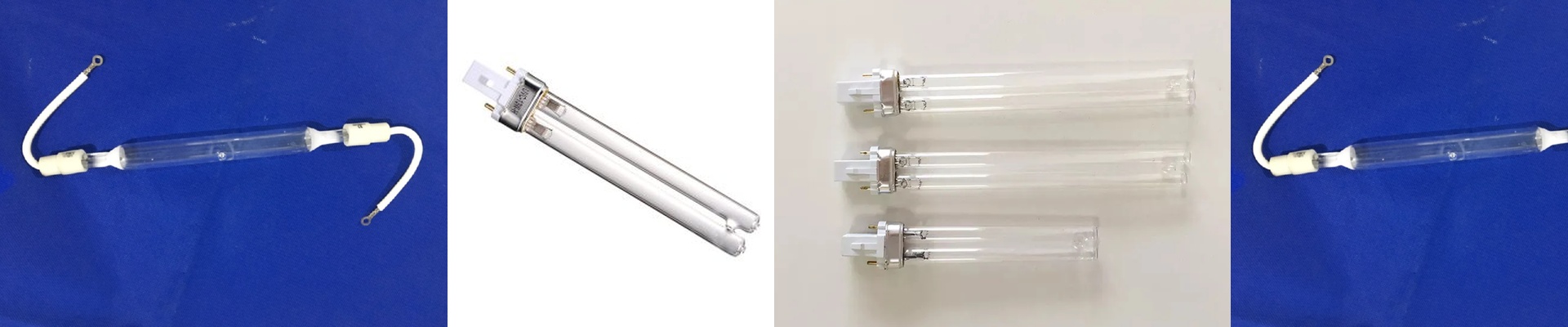
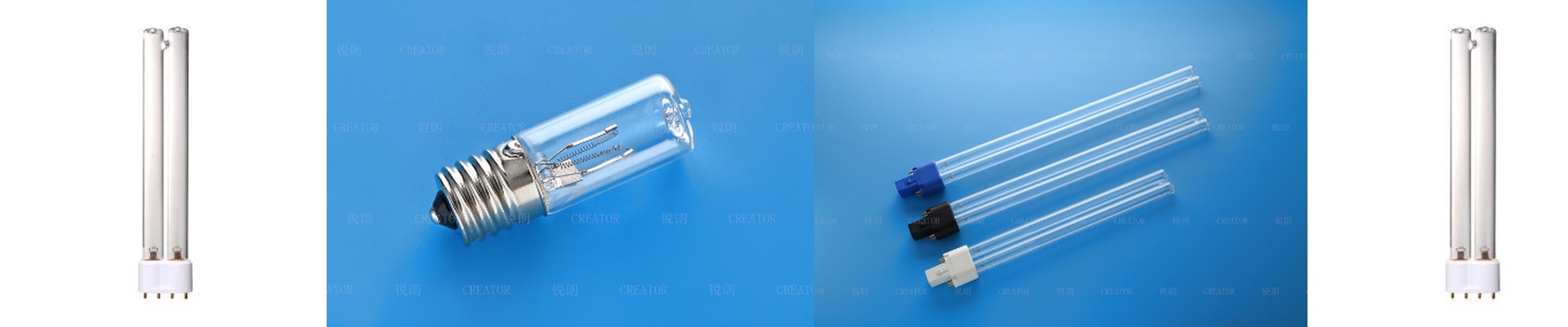
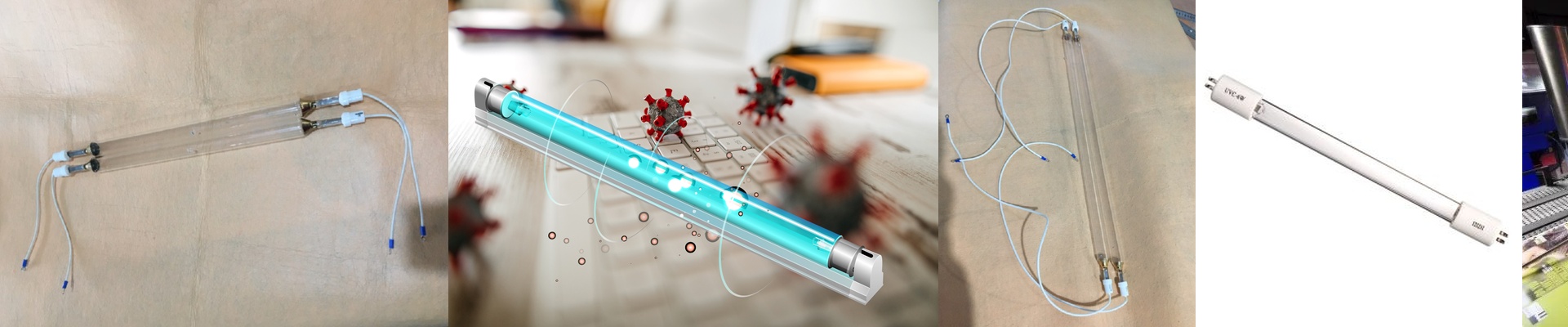
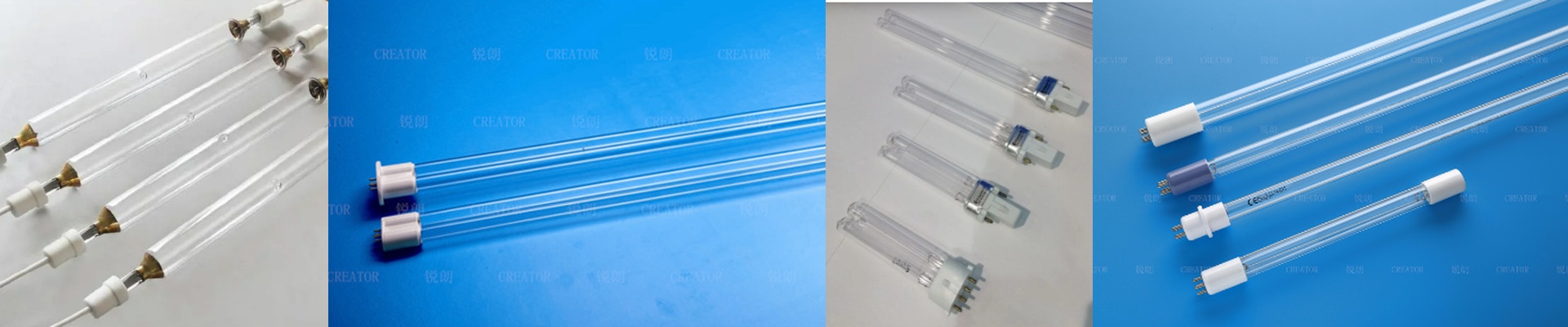
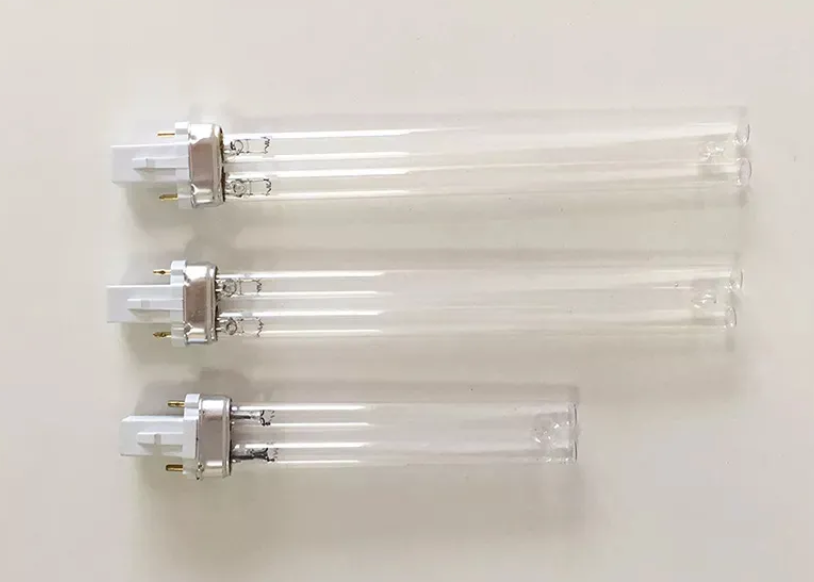
At the 2026 printing expo, nobody was asking if UV curing would take over. The real question was how fast you could run it—and how steady it would stay. Our dimmable mercury UV lamp systems delivered repeatable spectral output. Straight facts, no hype. What matters under the hood We build these modules around a high-pressure mercury vapor lamp, with a stable 365 nm line as the workhorse wavelength. You also get strong output across 385–405 nm to cover broader photoinitiator windows. The reflector uses a dichroic coating to shape spectral energy and push peak irradiance right where you need it—at the substrate. An ozone-free quartz envelope keeps the work area cleaner and cuts down on maintenance interruptions. Dimming isn’t just a knob. It’s closed-loop control that holds lamp power and spectral distribution within tight tolerances, so curing energy density (mJ/cm²) tracks predictably from prototype runs straight into full production. Why it holds up on the shop floor When you’re running trade-floor presses at high line speeds, every unplanned stop burns material and time. With our dimmable mercury UV lamp, you can match output to ink film thickness, substrate heat tolerance, and the cure window. That means less overcuring, less substrate warp, and dot gain that stays under control. You get consistent cross-linking job after job, fewer rejects, and fewer lamp swaps. Energy use drops because you run the power the cure actually needs, not a fixed maximum. The practical details you’ll want to check These modules integrate into existing UV offset/flexo/screen lines, but alignment and reflector-to-substrate distance directly affect peak irradiance and cure uniformity. Before installation, verify fixture footprint, electrical interface, and cooling requirements. Mercury lamps have a finite end-of-life curve. Plan on scheduled output checks and replacement intervals so you keep the same energy density from one job to the next.