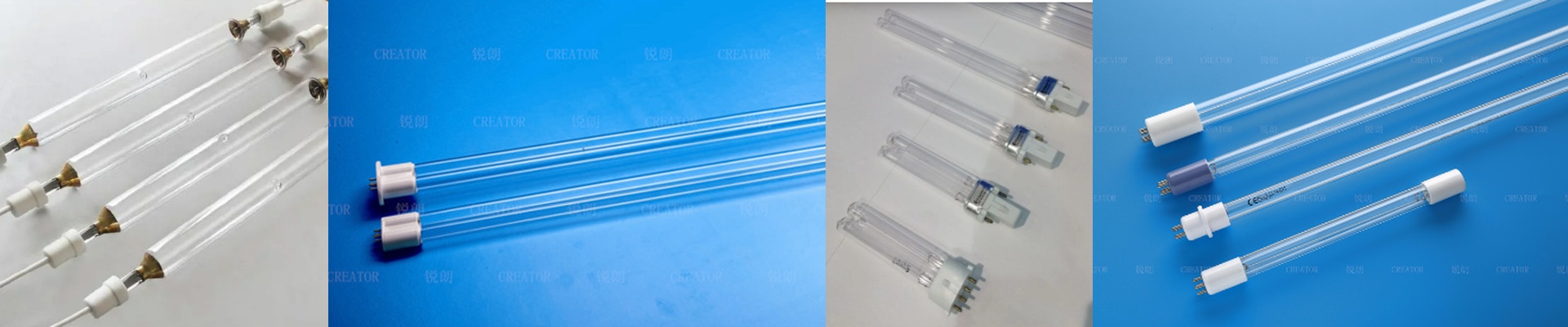
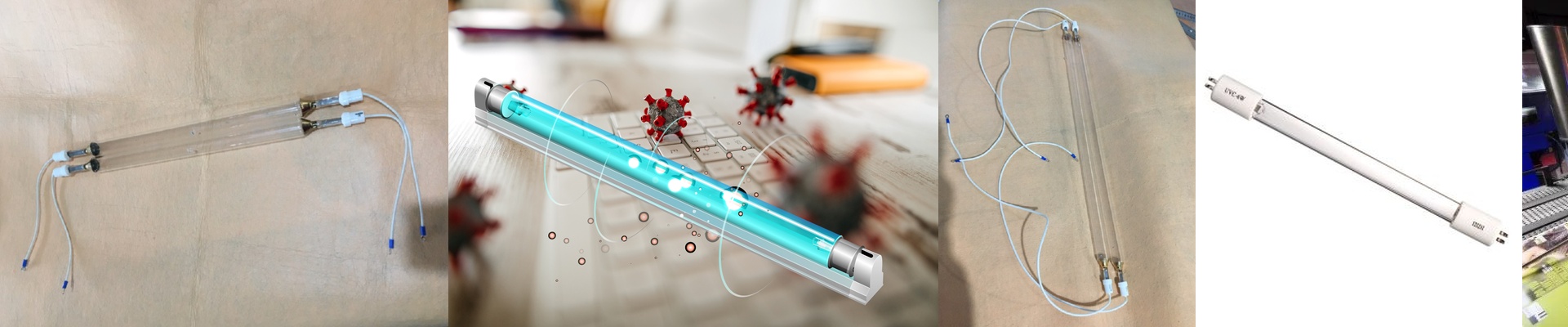
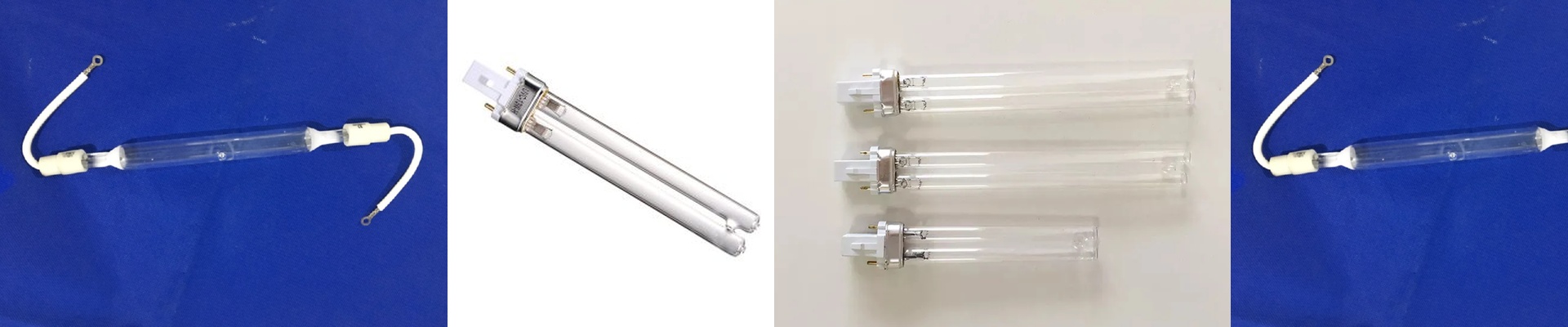
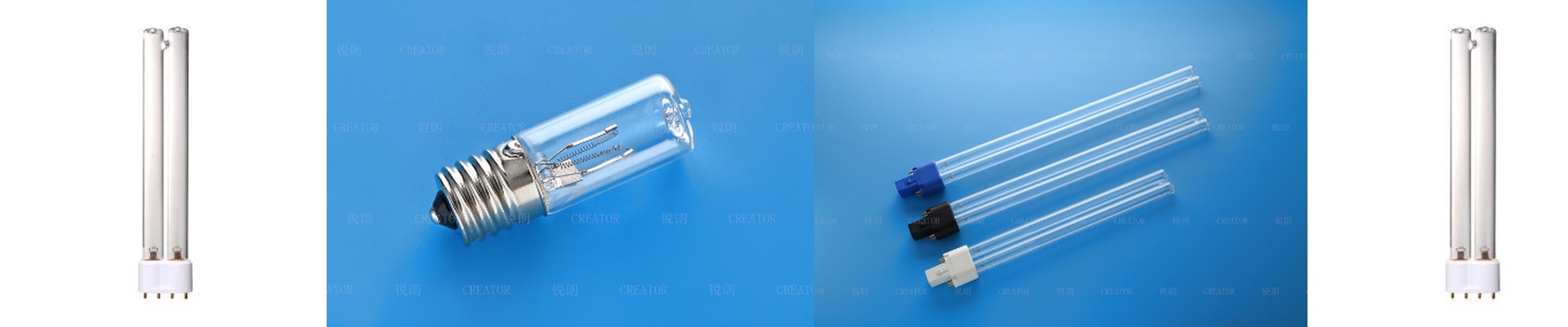

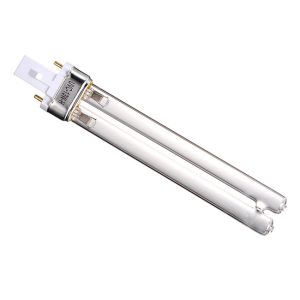
UV tech has moved way beyond just drying ink or killing germs. These days, it’s all about precision. Think of it as controlling exactly how much light energy hits your product. We’re talking about triggering a chemical reaction in a split second rather than waiting minutes for something to set. The science bit We build these systems to hit very specific targets. If you’re sterilizing, we aim for the 254nm range to break down microbial DNA. For curing resins, we shift over to the 365nm to 395nm spectrum. But here’s the catch: power density dictates your line speed. If you crank up the wattage to push more product through, you’re going to generate a lot of heat. If you don’t get your cooling fans or water-jackets right, you’ll end up warping your materials. Not a great look. Getting the hardware right You can’t just slap a bulb in a box and call it a day. We use quartz sleeves and specialized reflectors to make sure the beam actually hits the part. It stops energy from going to waste and keeps the lamps from burning out too early. The best part? We design these to slide right into the spots where your old mercury systems used to live. But since we’ve moved toward UV-LED, you get instant on/off switching. No more waiting around for the lamps to warm up, and your electricity bill will actually thank you. The balancing act High intensity sounds great, but it comes with a trade-off. If you push the irradiance too hard, you risk “over-curing.” That’s when the surface gets brittle or starts turning yellow. It’s a bit of a dance between your conveyor speed and the lamp intensity. To take the guesswork out of it, I always suggest installing real-time radiometers. It lets you see exactly what’s happening so you know every single part is spot-on before it even leaves the line.