
Let’s Talk About UV Energy
Most people think of UV lamps as just a way to dry ink. But if you’re running a modern shop, you know it’s more about how you deliver energy. We’re moving away from those clunky batch processes and heading toward a flow that’s continuous and actually driven by data.
Getting the Wavelength Right
Here’s the thing: we don’t just pick a lamp. We look at the photoinitiator in your resin first. If you need the surface to harden fast, you go with UVC. If you need that cure to penetrate deep into the material, UVA is your best bet. It really comes down to the wattage-to-length ratio. Higher power density means you can speed up your conveyor belt without worrying about under-cured parts. But you have to be careful. If you blast a thin plastic film with too many watts, you’ll warp the whole thing before the polymer chains even have a chance to lock together. It’s a balancing act.
The Hardware Side of Things
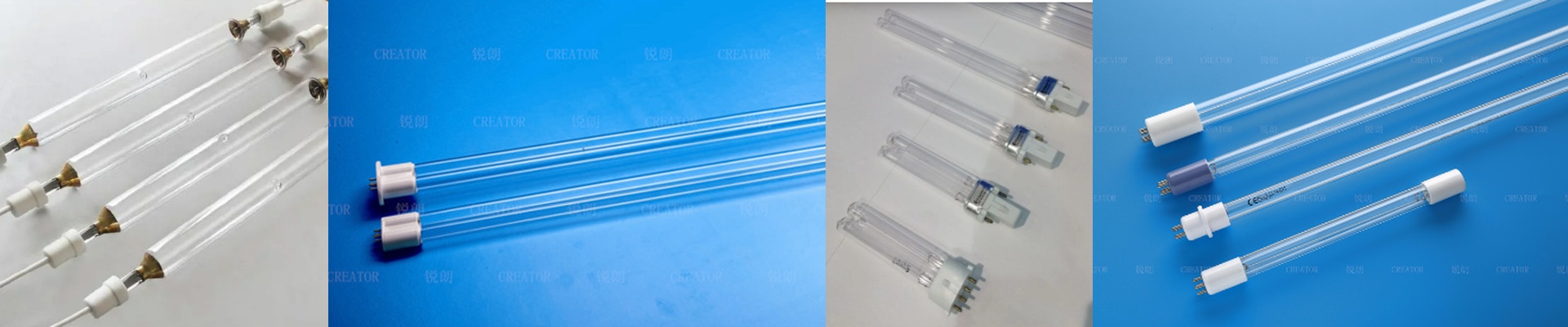
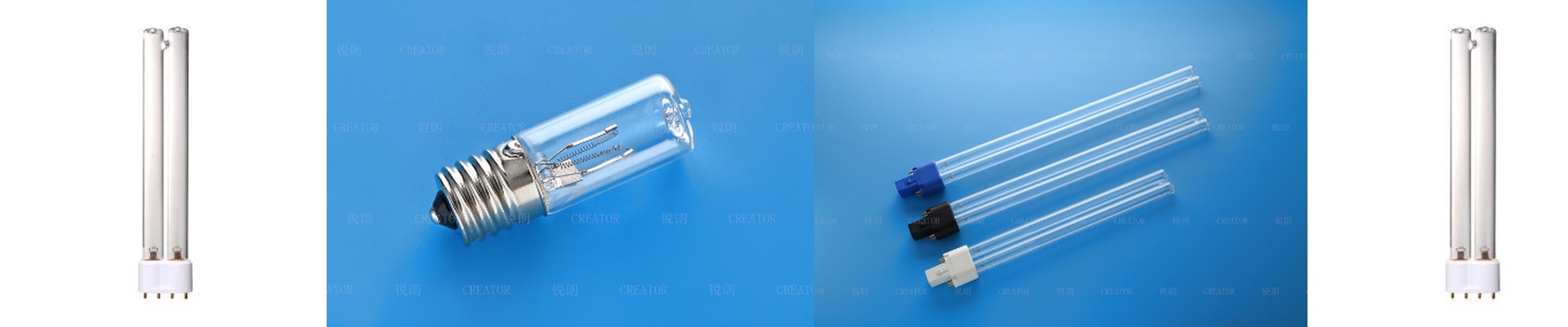
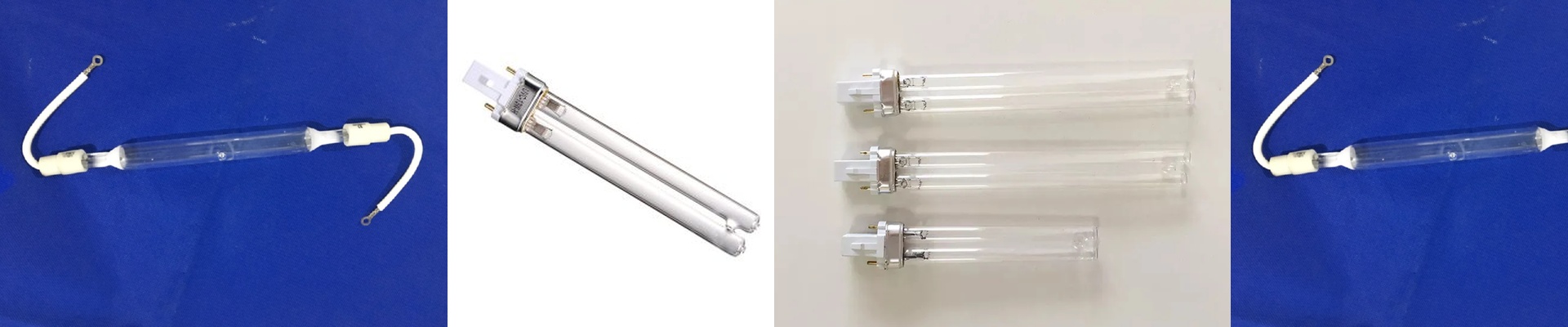
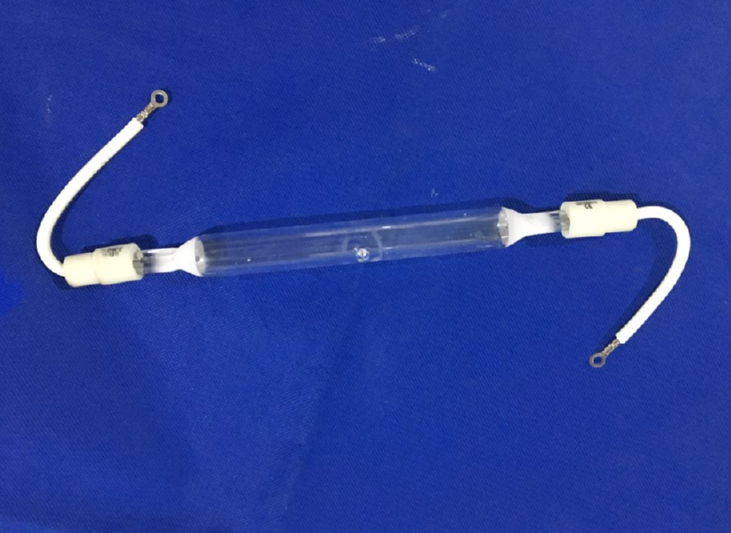
We build our lamps to be simple drop-in replacements. No headaches with end-cap dimensions or weird pin setups. We use high-purity quartz glass because it lets the most UV through and keeps the bulbs from burning out too early. One thing to watch: your cooling. Whether you’re using forced air or water-cooled jackets, that’s what determines how long your tube actually lasts. If your airflow gets blocked, the lamp runs hot. Then the electrode degrades. It’s as simple as that.
Making Automation Actually Work
When you’re moving toward a smart factory, your UV system needs to play nice with your PLC. We focus heavily on power supply stability. Why? Because flicker and intensity drift are nightmares. You want every single part coming off that line to get the exact same dose of millijoules. Once these are wired into an automated cell, you can stop doing so many manual checks. Just keep an eye on the hour meter. When the output dips below a certain point, swap the tube. It’s a lot cheaper than dealing with a pile of scrap.