
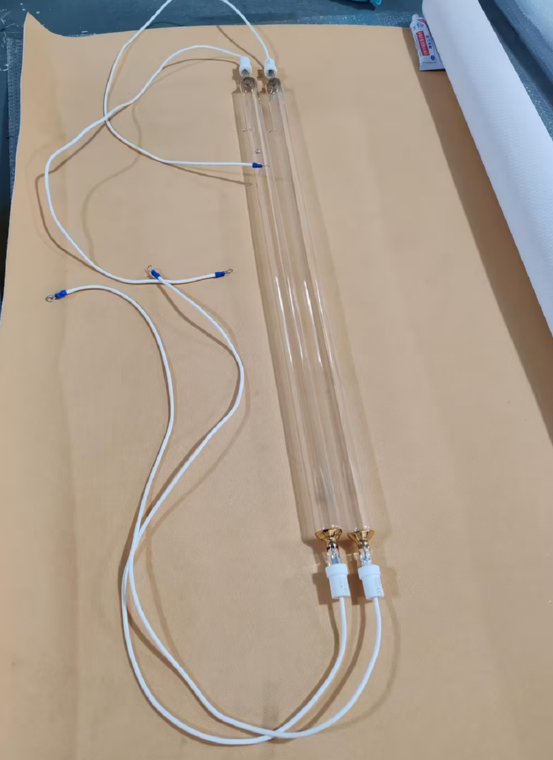
Let’s Talk About Industrial UV Lamps
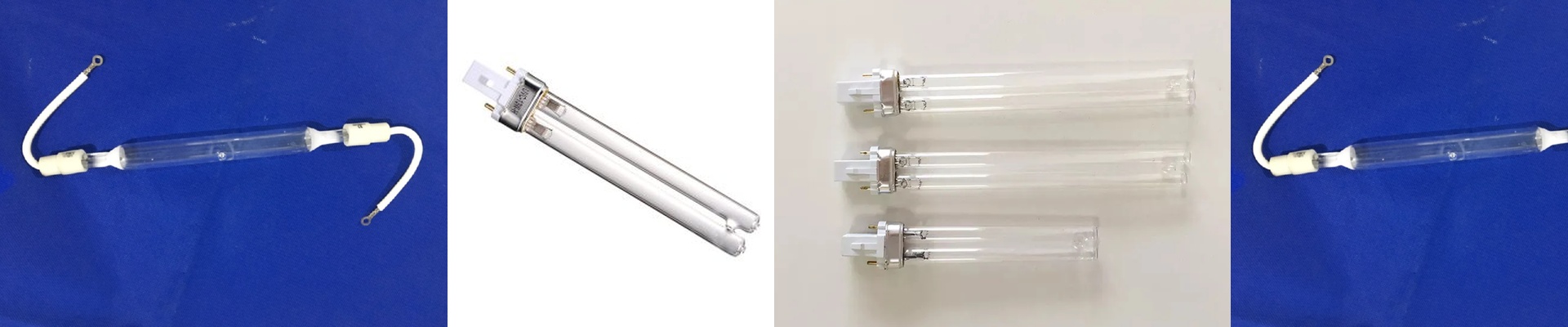
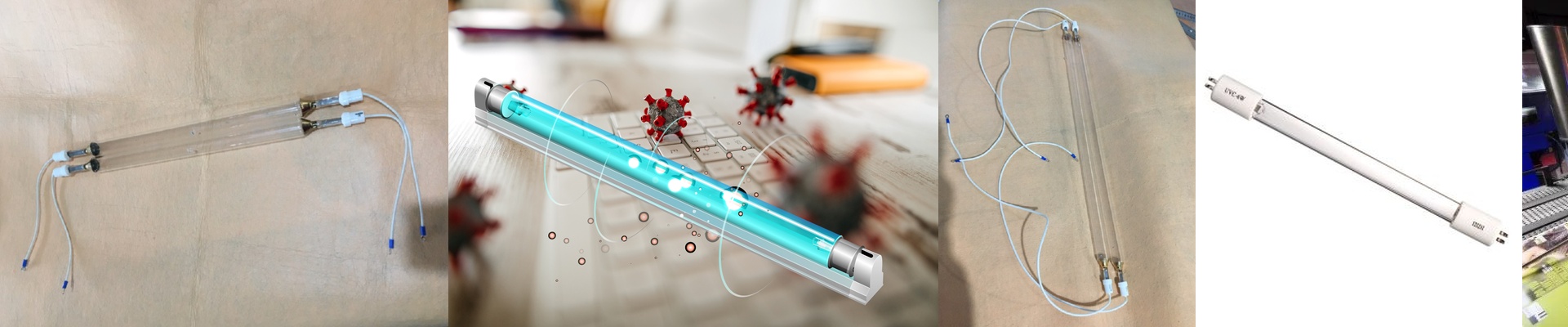
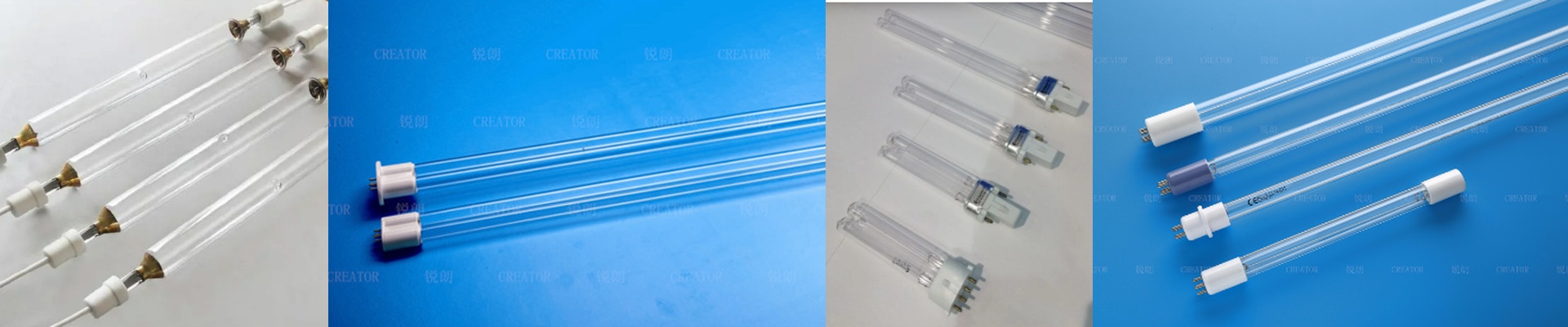
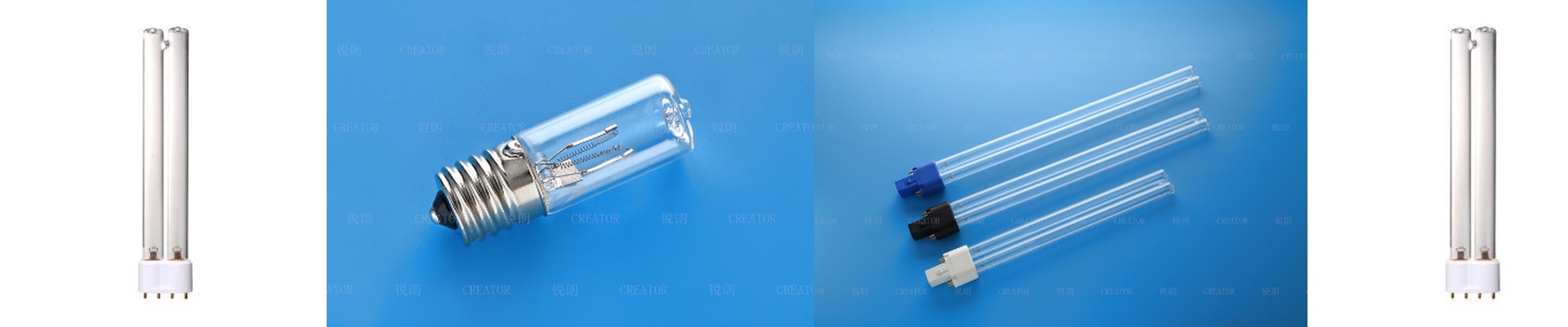
When you’re ordering germicidal bulbs in bulk, it’s easy to feel like you’re just buying a bunch of glass tubes. But that’s not really it. You’re actually paying for a very specific kind of punch—the kind of photon output that hits exactly 253.7 nm to tear through microbial DNA. If that number is off, the whole system is basically a fancy light show. The Quartz Secret Here is the thing: the glass matters. A lot. We use high-purity fused quartz because cheap glass actually blocks the UVC radiation you’re trying to use. We also obsess over impurities. Why? Because those impurities cause “darkening.” You know that frustrating moment when a bulb seems fine but has lost its strength after a few hundred hours? We work to stop that. You get steady power from one end of the lamp to the other, so you don’t end up with “cold spots” where bacteria can hide in your chamber. Heat and Power (The Messy Part) Industrial setups usually run a whole array of lamps at once. It can get chaotic. We build our bulbs to handle voltage swings without flickering, which saves you a headache during operation. But a word of warning: high-wattage lamps gethot. Really hot, especially at the end caps. If your housing doesn’t have a good breeze moving through it, that heat will eat your cathode for breakfast. We’ve seen plenty of setups where bad ventilation killed the lamps way too early. Also, double-check that your ballast matches the starting voltage. You don’t want to stress the filaments. Getting Them Into the System Nobody likes fighting with a socket during a mass change-out. It’s tedious work. That’s why we keep the tolerances on the pins and bases incredibly tight. They just slide in. Whether you’re scrubbing air ducts or treating water, the footprint stays the same. We’re confident these hold up against the big-name brands. In fact, if the output doesn’t hit the spec we promised, we’ll just give you your money back. Simple as that.