
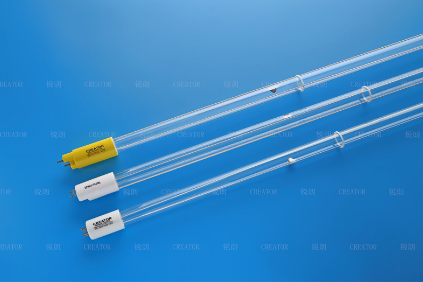
Stop the Flicker: Keeping Your UV Curing Steady in a Noisy Shop
If you’re running several big printing presses in one room, you know exactly how “loud” the electricity gets. Between the high-frequency power supplies and those heavy motors kicking in, there’s a ton of electrical noise floating around. If your UV lamps aren’t up for it, you start seeing the cracks. Flickering. Ink that doesn’t cure all the way through. Ballasts that die way before they should. It’s a headache nobody needs. How we handle the noise We build our lamps to keep a steady arc, even when the power grid is acting up. It mostly comes down to the nitty-gritty details—the way the electrodes are shaped and the quality of the quartz. We tightened the tolerances on the electrode spacing. Why? Because it stops the arc from wandering. Most cheap lamps just can’t handle being next to a high-voltage motor. They dip. But we used reinforced shielding and tweaked the impedance so the output stays flat. You won’t see your light drop just because the press next to you started ramping up. The trade-off (and the catch) You can just pop these into your existing industrial systems. They fit right in. Our goal wasn’t just to pump out raw wattage, but to make sure that light actually stays consistent. But here’s the thing: stability creates heat. To keep things steady, these lamps have to hit a specific thermal sweet spot. That means you’ve got to keep your cooling fans and reflectors clean. If your airflow is choked, the lamp will overheat. And trust me, no amount of fancy shielding can save a tube from burning out if it can’t breathe. What this actually means for your floor In a real production environment, stability is just another word for uptime. It means you stop chasing “ghost” defects—those annoying patches of uncured ink that happen because a lamp flickered for a split second during a power surge. We didn’t build these for a clean lab. We built them for the grit of a printing plant. You wire them up, set your conveyor speed, and just let them run. Consistent output, every single time.