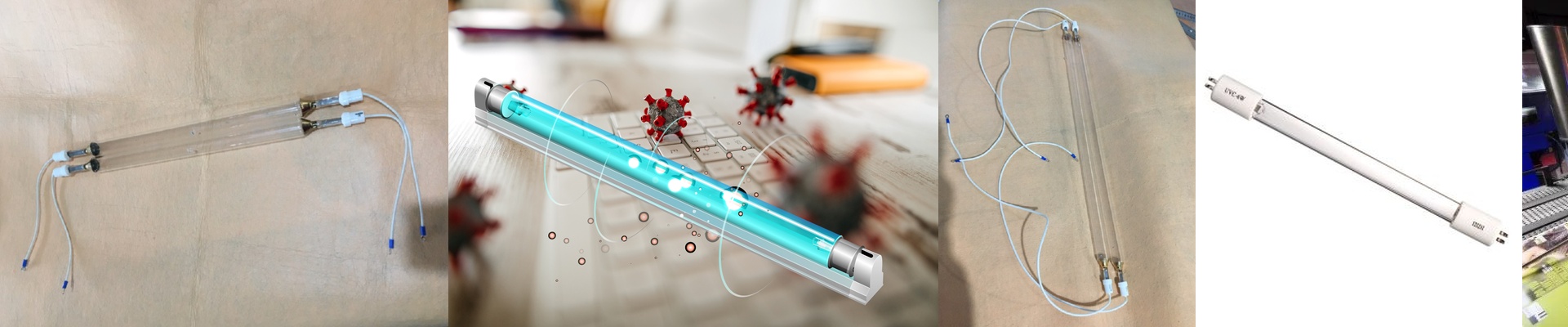
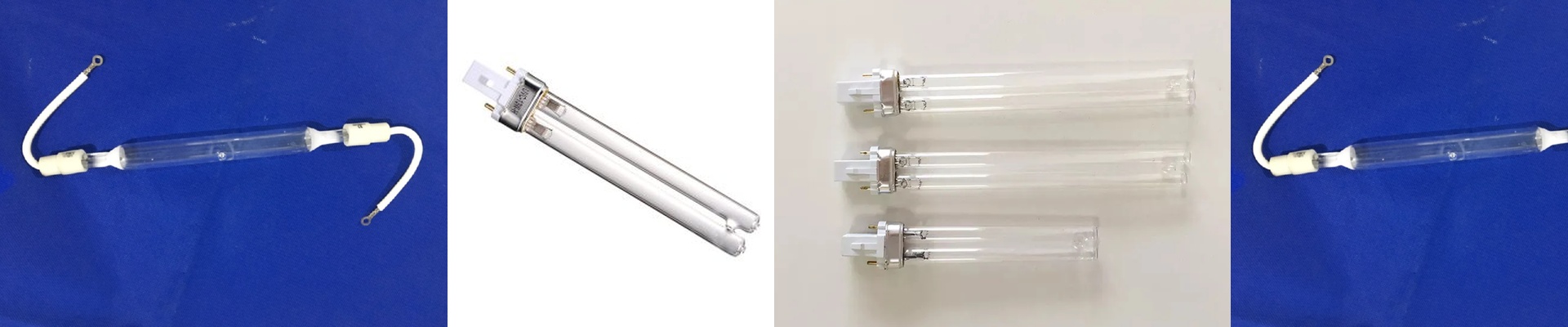
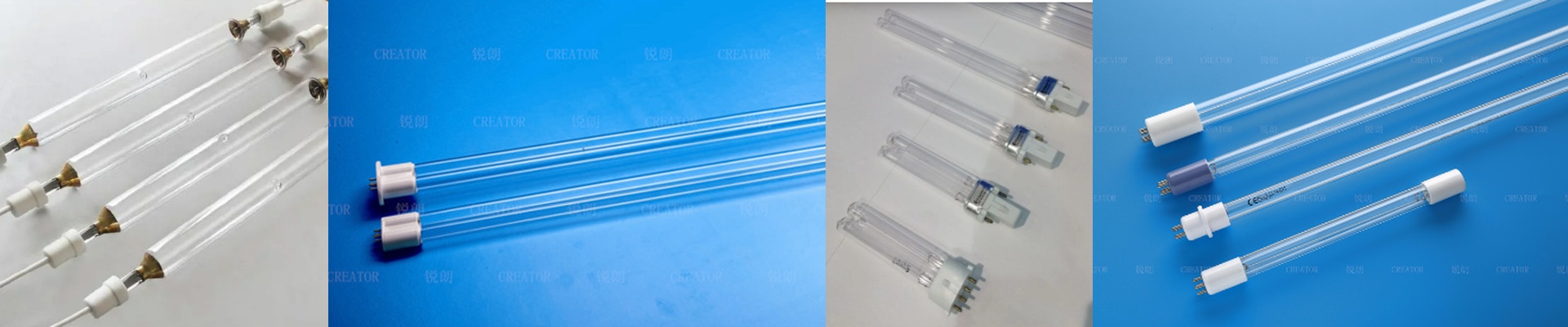

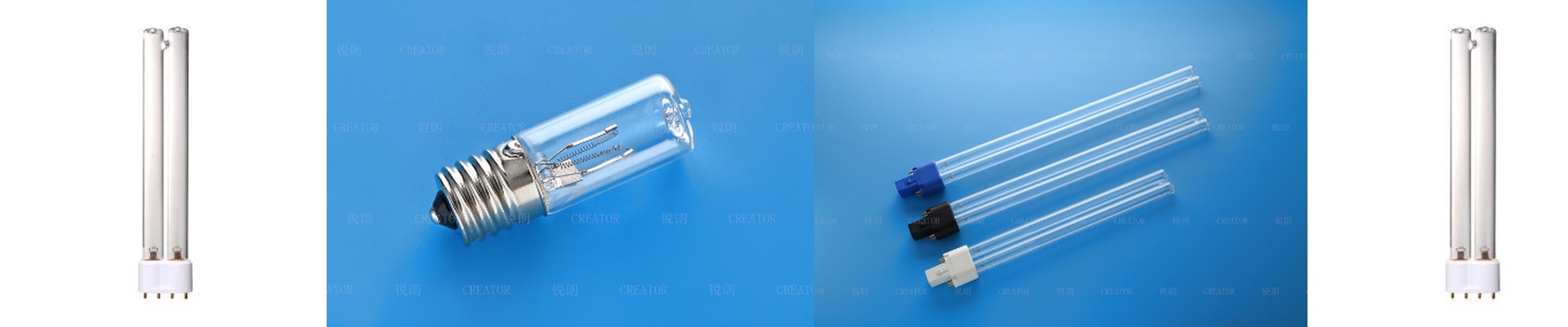
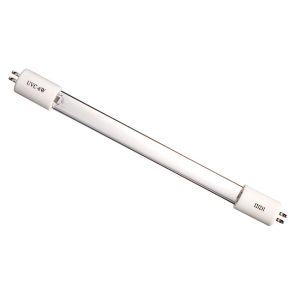
Getting the Most Out of Your High-Pressure Mercury Lamps
If you’re running high-speed printing or textiles, you already know that high-pressure mercury lamps are the old reliable. They just work. They pump out a broad spectrum of UV—mostly in that 254nm to 365nm sweet spot—which is exactly what gets your inks and coatings to snap into place.
Power, Heat, and the Balancing Act
To keep up with the speeds we’re seeing in 2026 production lines, you need some serious wattage. More power means more photons hitting the ink, which means it sets instantly. But here’s the thing: you have to be precise. Your lamp’s voltage and wattage need to line up perfectly with your ballast. If you push too hard, you’ll fry the electrodes. Push too little? You’re left with tacky ink that ruins everything. And then there’s the heat. These things runhot. Whether you’re using air or water cooling, your system has to keep up. If it doesn’t, you’re looking at cracked quartz or warped materials. Not a great way to start the day.
The Science of the Glass
We use fused quartz for the envelopes because it doesn’t block the short-wave UV; it lets the light pass straight through. Depending on what you’re printing, we can also tweak the mercury blends. This helps the UV light soak deeper into thick layers of ink. Otherwise, you might end up with a “skin” that looks cured on top but is still wet underneath.
Setting Them Up (and Keeping Them Running)
We designed these to be simple drop-in replacements. No one wants to spend their afternoon rewiring a whole rig just to swap a lamp, so we kept the footprint and connectors tight and precise. But a quick tip:alignment is everything. If your lamp is off by even a few millimeters, your intensity shifts. You’ll get some spots that are perfectly cured and others that aren’t. Plus, always wipe down your reflectors when you swap a lamp. A dirty reflector kills your output, no matter how powerful the bulb is.