
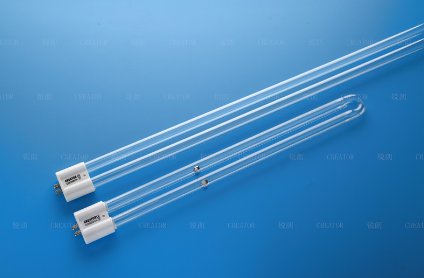
Making UV Curing Lamps Actually Smart
Most UV curing setups are basically black boxes. You flip the switch, they hum along at a set wattage, and you just cross your fingers that the output stays steady until the bulbs finally give up the ghost. It’s a guessing game. We’re tired of the guessing. So, we decided to bake remote energy monitoring right into the power architecture of the lamp.
Getting a Real Look Inside
Forget basic timers. We’re talking about putting current sensors and voltage monitors directly into the ballast or the lamp head. This lets you track power draw in real-time. Now, you can actually see a lamp starting to drift in intensity before it fails and ruins a batch of parts. Instead of walking the floor, you can spot energy spikes or dips across your entire line from one screen. And look, we aren’t doing this for the sake of having a pretty dashboard. We’re using industrial protocols to send this data straight to your PLC because you need to know exactly how many kilowatt-hours it takes to cure a single part. That’s the number that actually matters.
The Messy Part: Heat and Hardware
Adding sensors isn’t magic; it’s hardware. And hardware has trade-offs. Those sensors add a bit of electrical resistance. They also need proper shielding, otherwise, the EMI from the UV ballast will create a mess of interference. Then there’s the heat. High-output UV lamps gethot. Like, really hot. When you cram monitoring circuitry into that same housing, your cooling needs go up. You’ll need to be more aggressive with your fans or water jackets. If your heat sinking is weak, those sensors will fry long before the lamp does. You can’t just slide this tech into an old chassis and hope for the best—you’ve got to make sure you have the thermal headroom to handle it.
Stop Guessing on Maintenance
This is where it gets rewarding. Remote monitoring lets you move away from “calendar maintenance.” Usually, people swap bulbs every 1,000 hours because that’s what the manual says, even if the bulb is still performing great. That’s just wasting money. With energy telemetry, you swap the bulb when the data tells you the output is actually dropping. You stop following a rigid schedule and start following the actual power curve. Less waste. Less downtime. Just a lot more sanity.