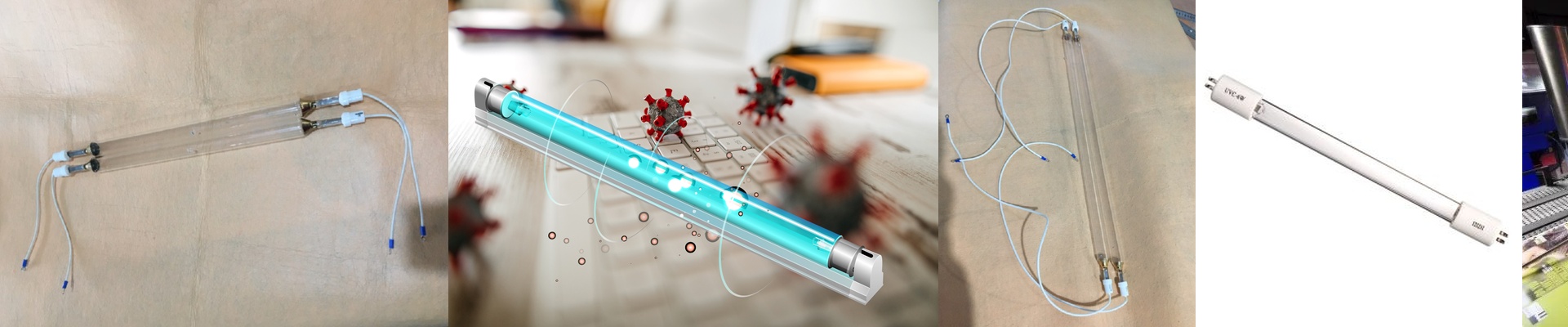

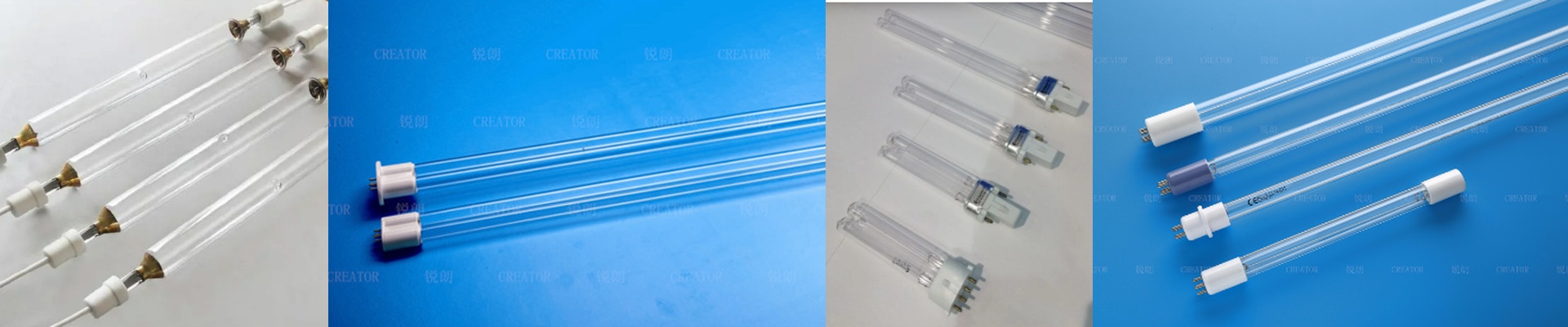
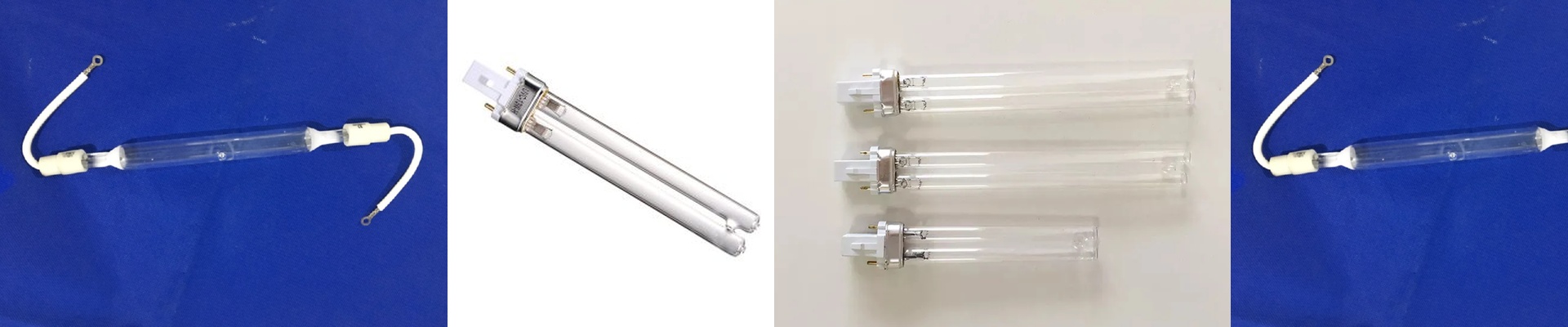
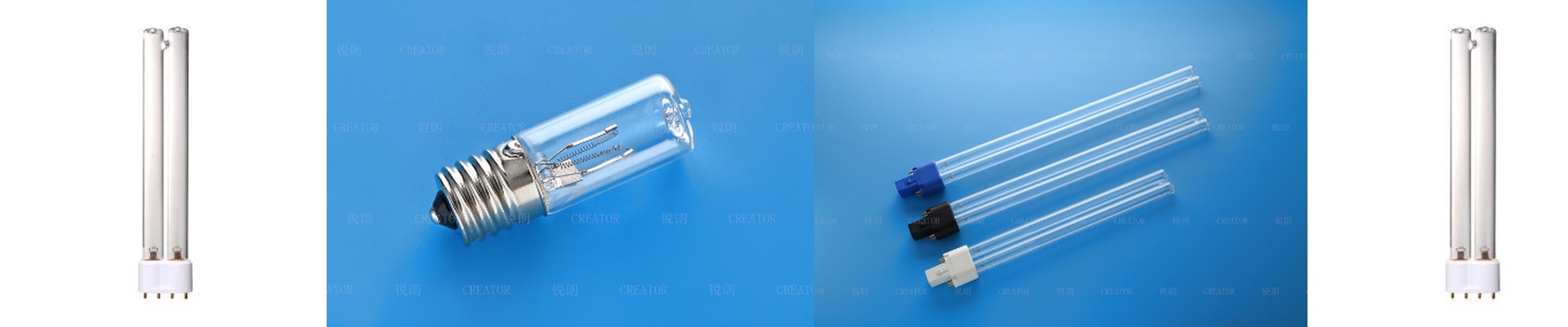
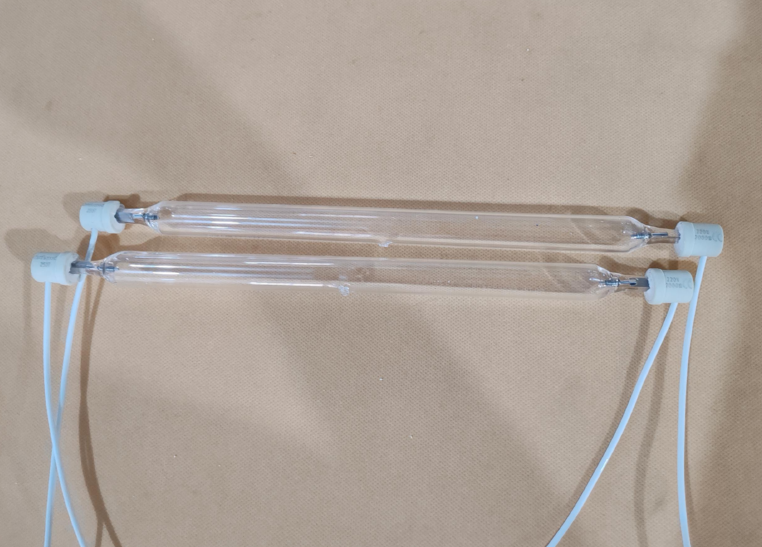
Getting the Most Out of Your 120W/cm Mercury UV Lamps
I’ve spent some time visiting about 3,000 different printing plants. If there’s one thing I’ve learned, it’s that what works in a lab rarely works the same way on a noisy, busy shop floor. Most of the time, when a lamp “fails,” it isn’t actually the bulb’s fault. It’s usually just a mismatch between how much power the lamp is putting out and how fast the press is moving. Why 120W/cm? We landed on this specific power density because it’s the sweet spot. It works for most solvent-based and UV inks without causing a headache. You get enough punch to dry the ink fast, but you aren’t blasting it so hard that you warp the material. If you crank the wattage too high, you’ll scorch your substrates. Go too low? You’re left with that annoying tacky feeling on the ink that slows everything down. The Tech Side (Simplified) These lamps use a low-pressure mercury discharge. Basically, we energize the gas to create a concentrated beam of UVC and UVB light. To make sure that light actually hits your product instead of getting trapped inside the tube, we use high-purity quartz glass. It’s clear, it’s tough, and it lets the UV rays do their job. The Heat Problem These are designed to be drop-in replacements for your standard reflectors, so getting them wired up is a breeze. But here is the catch:they get hot. A 120W/cm load throws off a lot of infrared heat along with the UV light. If your cooling fans are choked with dust or your chiller is struggling, the lamp is going to die. I’ve seen perfectly good tubes burn out in a few weeks just because the housing couldn’t breathe. Keep it cool, and the lamp stays happy. Real-World Results When you’re running high volumes, you can’t have surprises. You need the cure to be the same at the start of the tube as it is at the end. These lamps keep that output steady, which means no weird “striping” or uneven patches on your finished work. Just keep your reflectors clean and your power supply steady, and they’ll take care of the rest.