
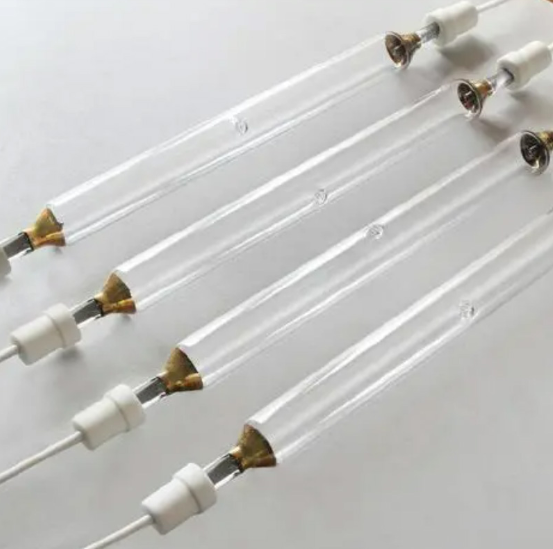
Getting Your Production Moving with Industrial Mercury UV Systems
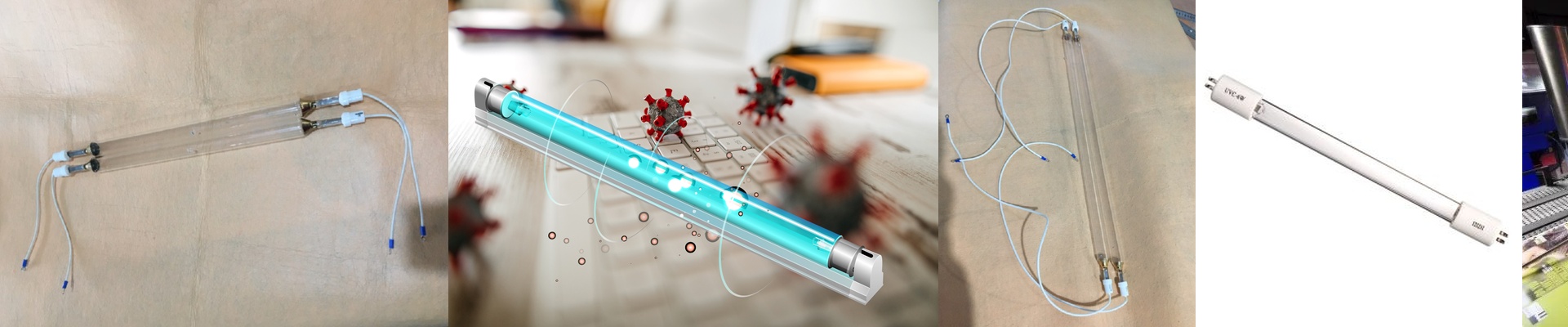
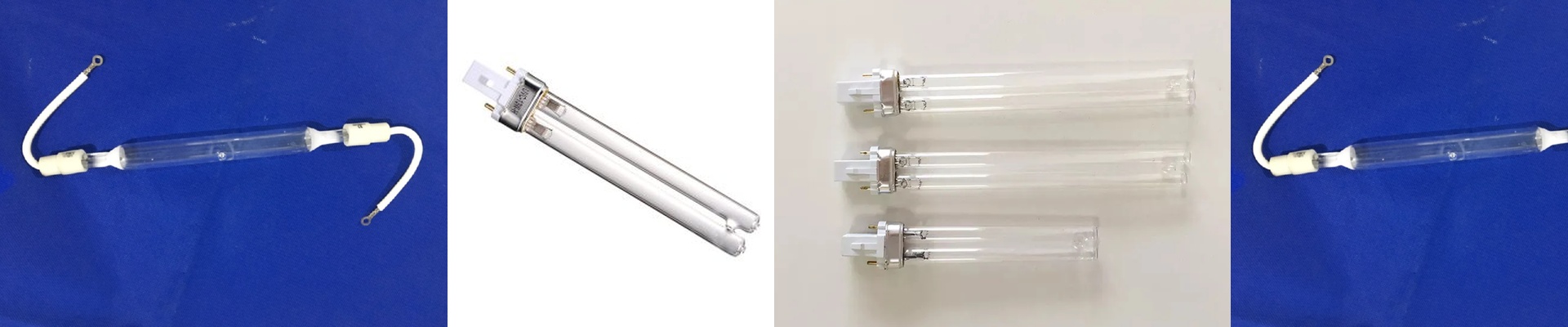
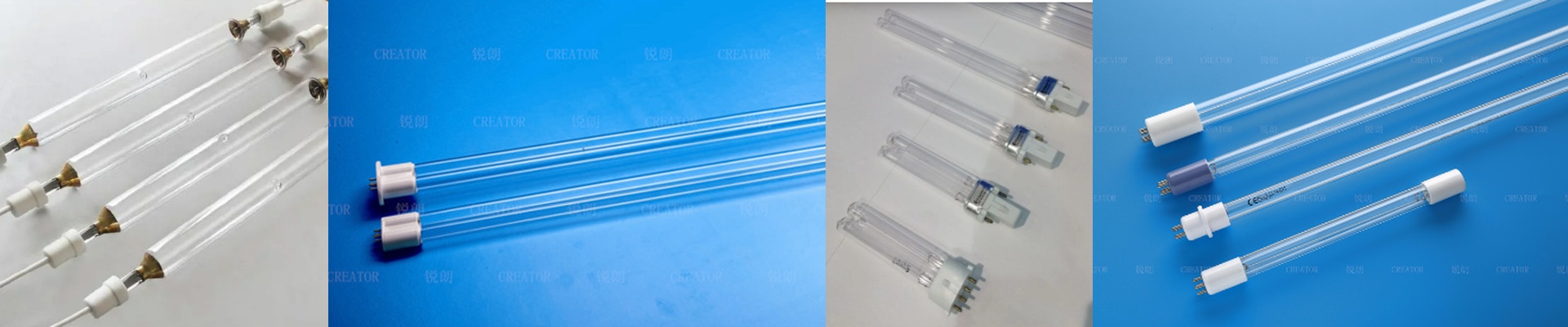
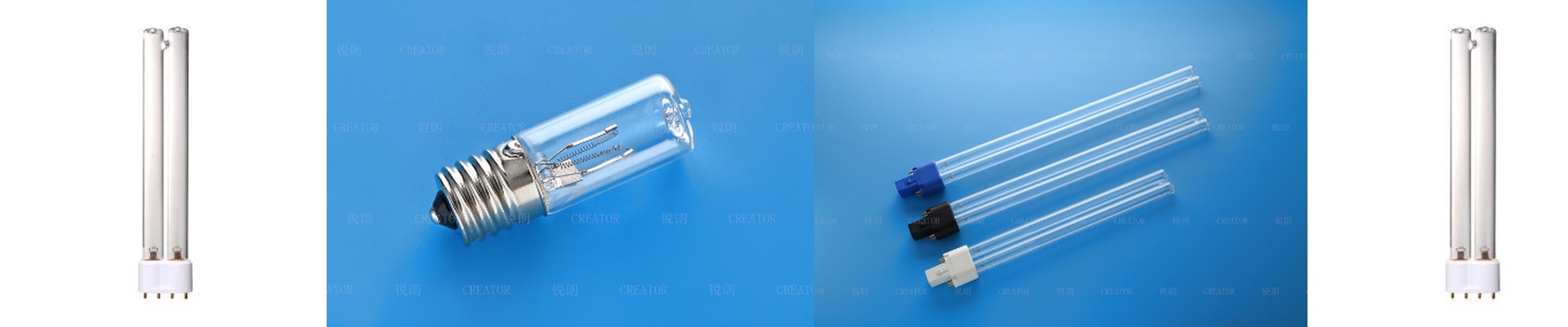
Let’s be honest: mercury vapor lamps are the old reliable of the UV curing world. They just work. We build these bulbs to hit those specific 254nm and 365nm wavelengths, which is basically the “on switch” for your inks and coatings. It turns liquid into solid in a few seconds. It’s fast. Really fast. And that’s what keeps your line moving.
The Grit Behind the Glow
To get that heavy-duty output, we focus on energy density. When you crank up the voltage, the mercury vapor ionizes and creates a plasma discharge. That’s where the real power comes from—the kind of intense UV flux you need when you’re dealing with deep-cure jobs. But you can’t just throw power at a bulb and hope for the best. There’s a balance between the wattage and the length of the tube. If you jam too many watts into a short tube, you’ll burn out the electrodes way too soon. We spend a lot of time tweaking the gas pressure inside the quartz so the light stays steady from one end of the lamp to the other. No dead spots.
Keeping Things Cool
We use high-purity fused quartz for the outer shell. Why? Because it lets the UV rays fly right through instead of soaking into the glass. Inside, we use tungsten for the electrodes because they have to survive some serious heat. Here is the thing: these lamps get hot. Like, really hot. You’ve got to keep them cool. Whether you use dedicated air-cooling or water-jacketed reflectors, don’t skip this step. If the airflow isn’t there, the quartz can warp or the seal can pop. Once you get a vacuum leak, the bulb is dead. Period.
Making it Work With What You’ve Got
Nobody wants to rip out their entire electrical system just to upgrade a few bulbs. That’s why we make our wholesale setups fit right into your existing footprint. They just drop in. As everything moves toward more automated, “smart” factories, the margins for error get smaller. We focus on keeping the UV output rock-steady so every single part on your conveyor gets the exact same dose. Just keep an eye on your cooling. If your system can’t handle the heat load, your cure rates will start to drift as the lamps warm up, and that’s when you start seeing mistakes.