
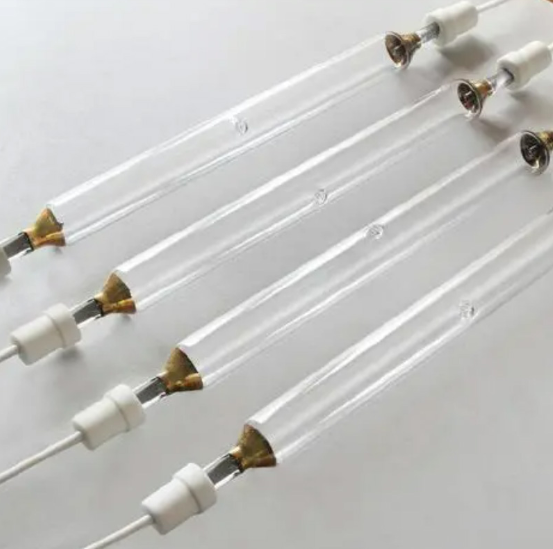
Let’s Talk About Gallium Iodide Lamps
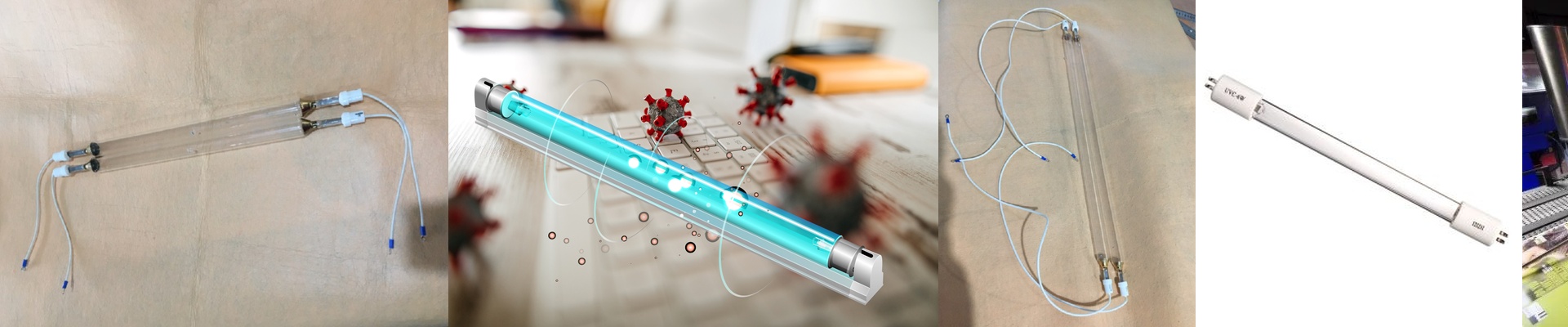
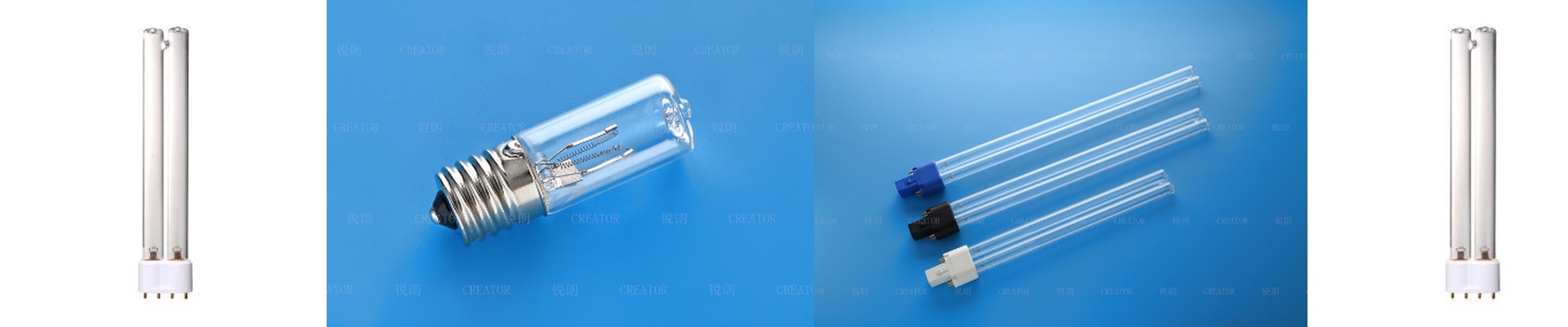
If you’ve been struggling with UV curing, you’ve probably hit a wall where your standard mercury lamps just aren’t cutting it. They’re great for a lot of things, but when you’re dealing with thick ink or specific photoinitiators, they tend to give up halfway through. That’s where our gallium iodide lamps come in. They hit a different part of the spectrum—specifically between 300nm and 450nm—which changes the whole game for industrial printing.
Getting Deep Into the Ink
Here’s the thing about “deep curing.” Mercury lamps have a sharp peak at 254nm. That’s fine for thin layers, but if you’re running high-pigment inks or thick coatings, those short waves get stuck at the surface. The result? The top looks dry, but the bottom is still wet. It peels right off the material. Gallium iodide shifts that output to longer waves. These waves actually punch through the material. It means the bottom layer bonds tightly to the substrate, so you don’t have to worry about your work flaking away later.
Dealing with the Heat
Now, there is a trade-off. These lamps runhot. We build them to handle high current densities, but that creates a lot of thermal pressure. If your cooling system isn’t up to the task, you’ll notice the UV intensity dropping or, worse, the tube will just burn out way too early. A quick tip: keep a close eye on your conveyor speed. If it’s too slow for the wattage you’re using, you’ll end up scorching your materials.
Making it Work in Your Line
You can’t just swap these in and call it a day. You’ll want to double-check your ballast and how your reflectors are shaped. It sounds minor, but a reflector that’s slightly off can waste about 30% of your light. We spend a lot of time obsessing over the exact position of the arc inside the quartz envelope. Why? Because we want that light hitting your target every single time. We don’t want to be just another parts shop selling you a tube. We’d rather act as your technical partners. If your cure time feels sluggish, we won’t just tell you to buy a bigger lamp. We’ll look at your ink chemistry, your power density, and exactly how far the lamp is sitting from the substrate. We’ll find the actual bottleneck first, then fix it.