
Getting the Most Out of Gallium Iodide in Your PCB Line
When you’re dealing with high-precision PCB photoresist exposure, your light source is everything. That’s why we build our Gallium Iodide (GaI) lamps the way we do. Most UV lamps just throw light everywhere. Ours are different. We focus the output into a tight window—usually between 400nm and 450nm. It’s a sweet spot. It triggers the chemical reaction in the photoresist exactly how it should, but it doesn’t cook your substrate in the process.
The Heat Struggle
Here is the thing about light: a lot of it usually turns into heat. If you use a broad-spectrum lamp, you risk “burning out” your sensitive PCB materials. Not a great look. We fix this by using a gallium-doped halide fill. It shifts the spectrum so the energy actually hits the photoresist layer instead of wasting itself as heat inside the board core. Now, let’s be real—these lamps runhot. To get the kind of speed a real factory needs, you have to pack in a lot of wattage. This means you can’t skim on your cooling. If your fans are weak or your heat sinks are undersized, your electrodes will degrade fast under the stress. Your lamp life will tank.
The Hardware Side
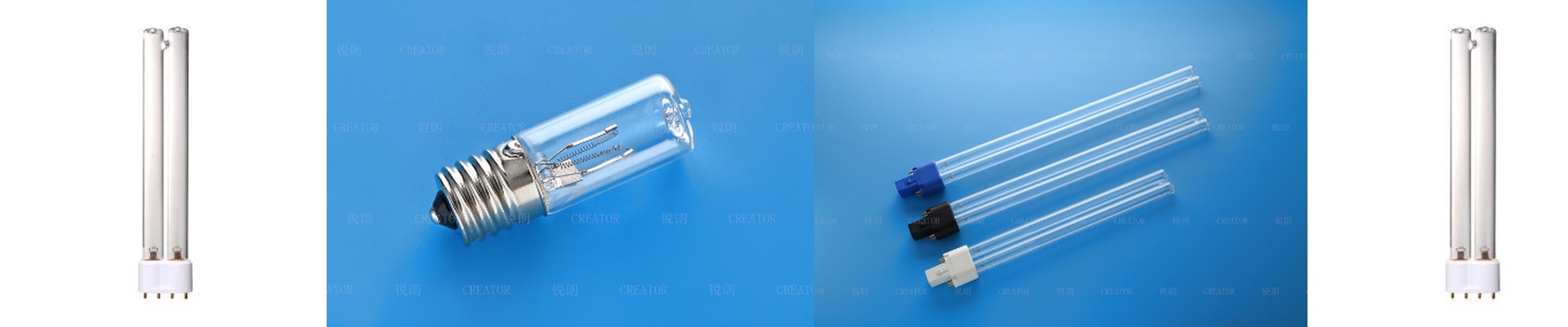
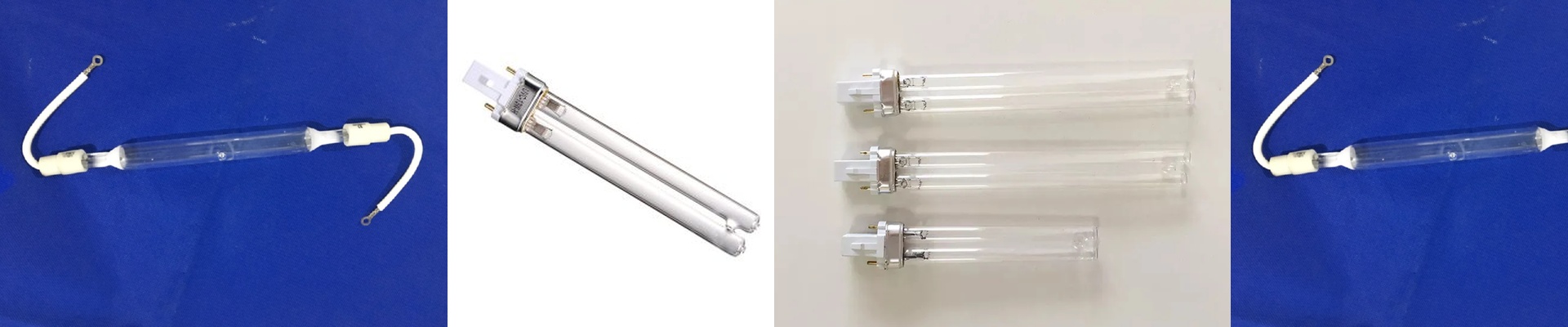
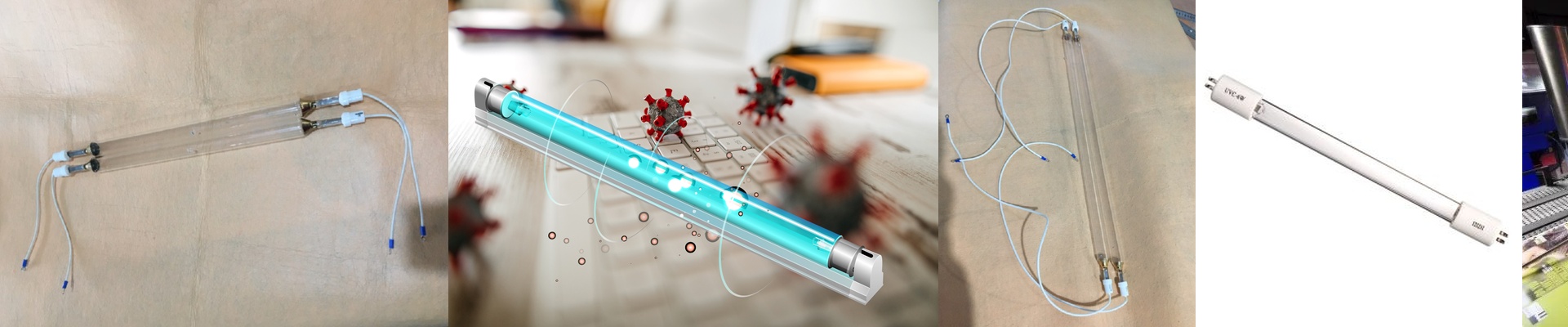
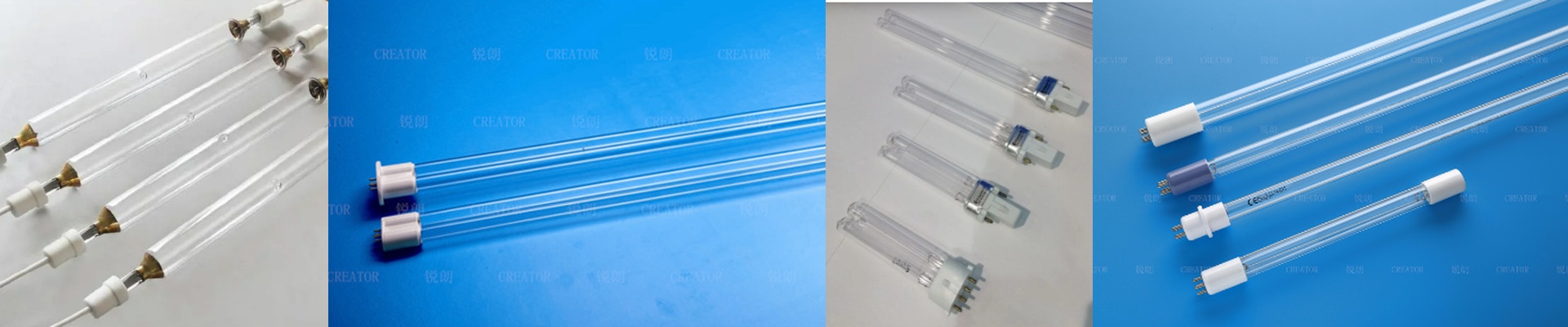
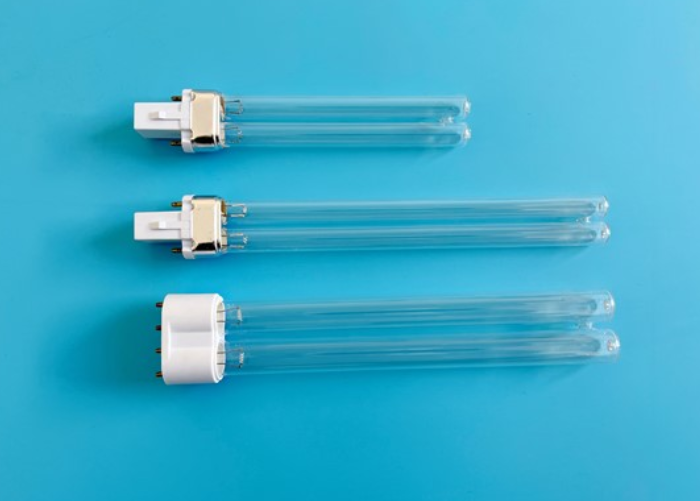
We use high-purity quartz for the envelopes. Why? Because we don’t want the glass absorbing the UV light we’re trying to send through. The connectors are built for a tight, secure fit. When you’re working with high voltages, the last thing you want is arcing. Plus, we kept the footprint standard. You can just pop these into most existing exposure machines without having to rewire your entire shop.
The Trade-offs
If you want the sharpest edge definition for those tiny, fine-pitch circuits, GaI is the way to go. But it comes with a couple of catches. Gallium isn’t cheap, and you have to be careful with your power regulation. I’ve seen people crank up the voltage to try and speed up production.**Don’t do that.**Pushing it too hard can shift the peak wavelength. Suddenly, your traces are under-exposed or your circuit lines look “fuzzy.” Just stick to our power supply specs. It’s the easiest way to keep your lines consistent and your scrap pile small.