
What it actually takes to build a UV lamp that doesn’t quit
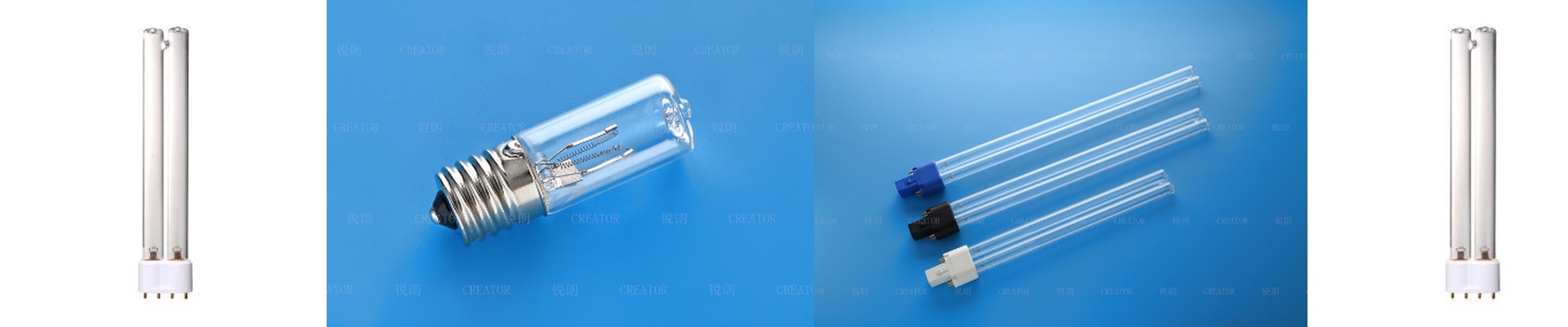
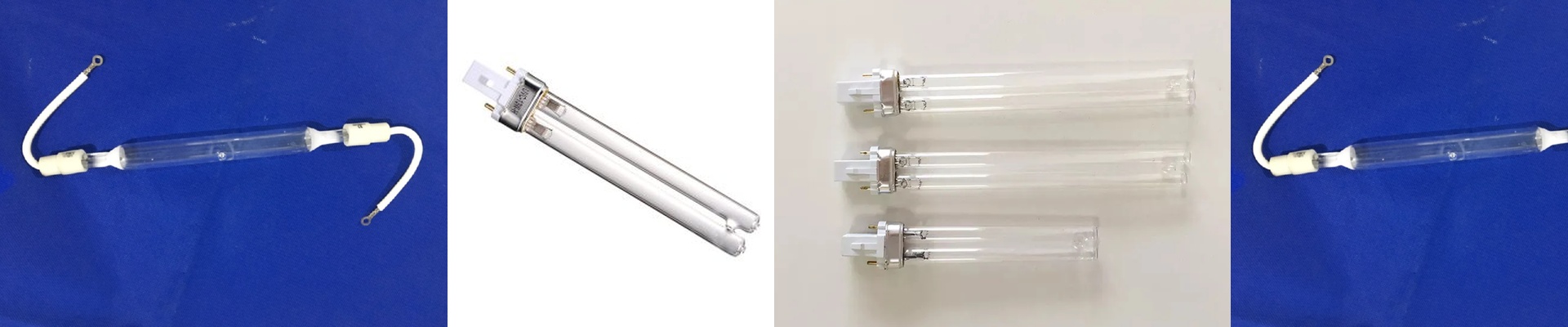
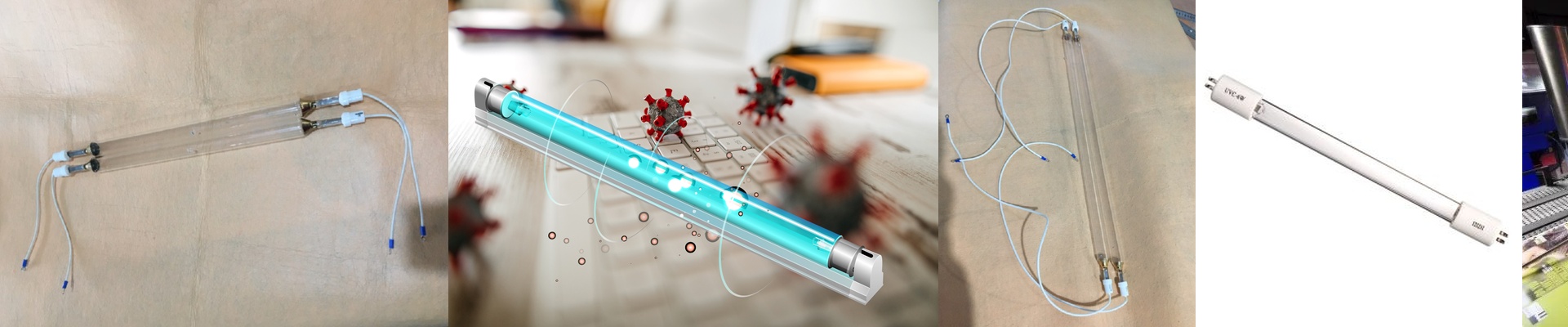
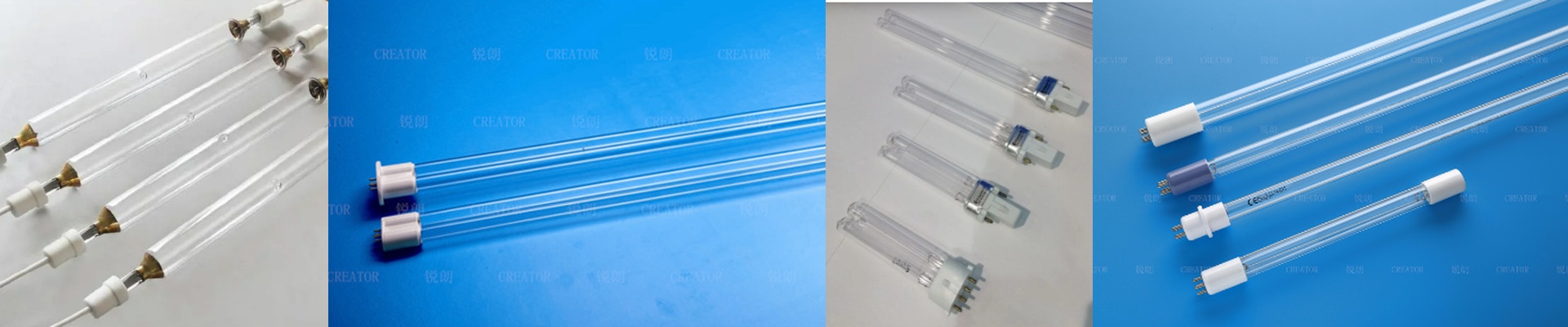
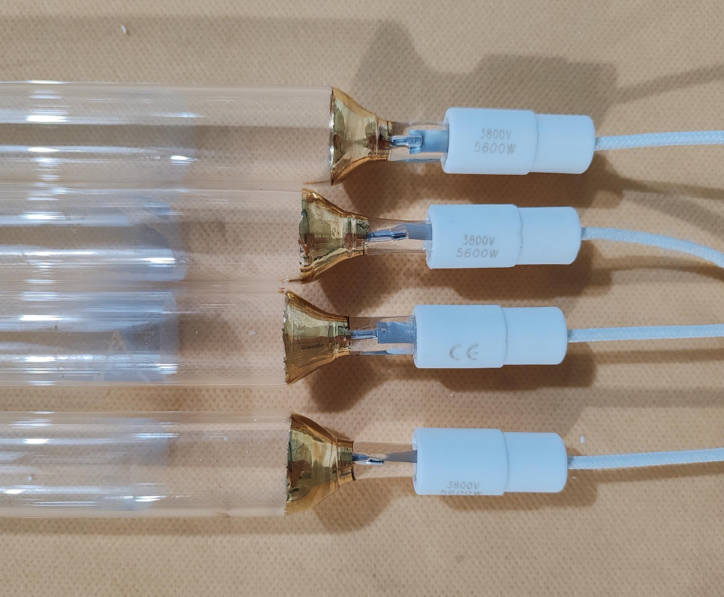
We spent some time visiting 3,000 different printing plants. Why? Because we wanted to see why standard UV lamps keep dying in the middle of a real production run. Turns out, most off-the-shelf lamps just aren’t built for the chaos of a high-speed press. They can’t handle the constant shaking or the way the temperature swings. So, we stopped following the manual and started focusing on what actually matters: thermal stability and a steady output that doesn’t flicker or fade. The battle between power and heat Here’s the thing about industrial UV curing: it’s a balancing act. You need the right amount of light and heat, but if you cram too many watts into a short tube, the lamp just burns out. It’s that simple. We build our lamps to hit a precise wavelength without letting the heat get out of control. Now, if you’re running thick inks, you need high wattage to get them to cure fast. But that puts a massive strain on the reflector. If your cooling system isn’t up to the task, your lamp life is going to tank. The guts of the machine We went with high-purity quartz glass. Standard glass is useless here—it blocks the exact radiation you need to get the ink to set. Then there are the electrodes. In a real shop, you’re starting and stopping the press all day. That beats the hell out of the hardware. To fix that, we used specialized alloys that can take the punishment without degrading. And we made sure the housing is a simple drop-in replacement. You shouldn’t have to rewire your entire rack just to get better performance. It should just work. Real-world headaches If you’ve worked in a print shop, you know the drill: ink mist and dust settle on everything. On a bulb, that creates hotspots. We tweaked the geometry of the lamp to stop those thermal spikes from happening. The result? A stable cure across the entire width of the web. One quick tip: don’t run your lamp at 100% power all the time. Pushing it to the absolute limit leads to electrode pitting, which kills the tube faster. We usually suggest leaving about a 10% power overhead. It’s a small tweak that makes your equipment last a lot longer.