
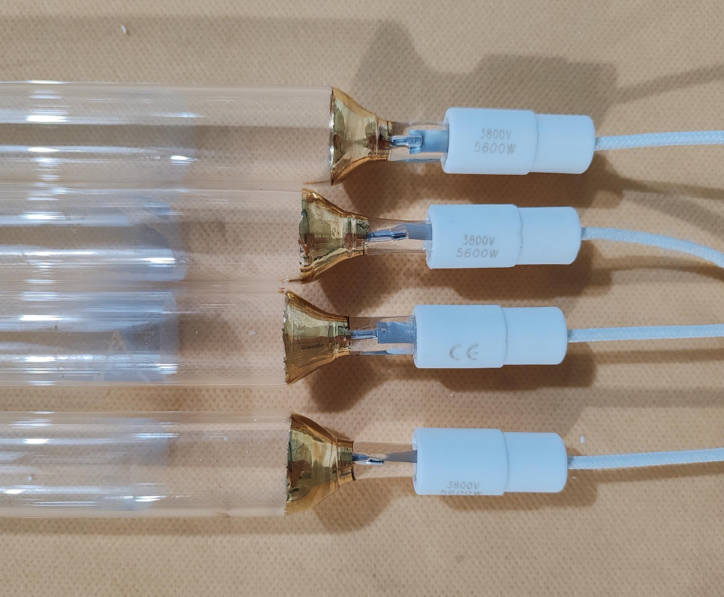
Why that CE Mark actually matters for your UV lamps
When we’re building custom UV curing lamps, it’s easy to get hung up on the technical stuff—the exact wavelength or the electrical specs. But if you’re an engineer plugging these into a production line in Europe, the CE mark is where the real conversation starts. It’s not just a sticker or some bureaucratic hoop to jump through. It’s the peace of mind that your lamp isn’t going to blow a fuse, leak electromagnetic noise, or put your operators in danger.
The nitty-gritty of compliance
Here is the thing: UV curing involves high-frequency ballasts and massive power draws. That’s a recipe for trouble if you aren’t careful. If your shielding is sloppy or the insulation is cheap, you start getting “noise.” That noise messes with your PLC, and in the worst-case scenario, you’re looking at an arc flash. We spend a lot of time testing for dielectric strength and leakage current. Why? Because we want the chassis grounded and secure. You want a lamp that just works. You want to drop it into your machine and have it run without triggering every safety alarm in the building.
Avoiding the headache
If you’re selling into the automotive or electronics world, the big buyers won’t even look at hardware that isn’t certified. They can’t afford the risk. Having that CE mark means the guesswork is gone. You don’t have to spend two weeks auditing our internal wiring or questioning our process because the certification has already done that heavy lifting for you. It just makes the procurement process a lot less painful.
The honest trade-off
Now, let’s be real: meeting these standards costs more. Using flame-retardant housings and certified cabling isn’t cheap. Rigorous testing takes time and money, and that shows up in the unit price. But look at it this way. You could buy a cheap, uncertified lamp and save a few bucks today. But if that hardware fails a site safety inspection or causes a line shutdown? Suddenly, those “savings” feel very expensive.