
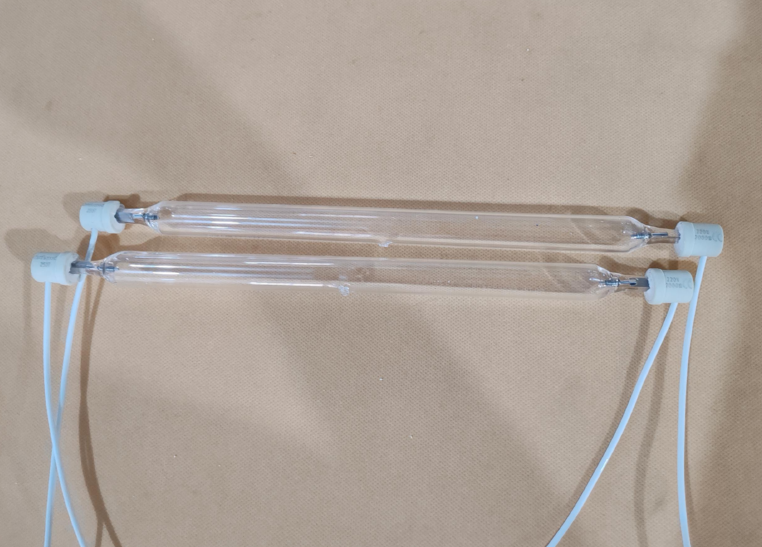
Stop Guessing With Your UV Lamps
Most UV systems are basically black boxes. You flip a switch, the light comes on, and you just hope you’re hitting the right microwatts per square centimeter. You don’t actually know if it’s working until something goes wrong and a whole batch of product fails quality control. That’s a stressful way to run a line. We’re changing that by building energy monitoring right into the power setup of the lamp.
Getting Real Data on Your Output
Standard UV lamps are pretty basic. You give them voltage, they glow. But here’s the problem: that output dips as the bulb gets old or the ballast starts to drift. By tracking the power draw and current fluctuations in real-time, you can see exactly what’s happening on a dashboard from across the room. It means you can spot a dying lamp before it ruins your day—and your production run.
The Messy Part of Engineering
Putting sensors and chips inside a UV housing isn’t easy. These lamps gethot. Like, “fry your electronics” hot. If we just slapped the monitoring gear next to the quartz envelope, it would melt. To fix this, we isolated the sensing circuits and used shielded cabling to block out the electrical noise from the high-voltage starters. The trade-off? The ballast housing is a bit bigger than the “dumb” lamps you’re used to. It’s a small price to pay for actually knowing your equipment is working.
Built for the Shop Floor
We didn’t design this for a clean lab; we built it for the actual shop floor. When the monitor tells you a lamp is hitting its limit, you just swap it out. It’s a simple drop-in replacement. No tedious recalibrating of the whole line, no headaches. You wire it up, the system recognizes the new power profile, and you’re back in business. It takes the guesswork out of your maintenance. You stop replacing lamps just because “it’s been six months,” which saves money and cuts down on waste, all while keeping your sterilization specs exactly where they need to be.