
Stop Just Buying Part Numbers. Start Fixing Your Curing.
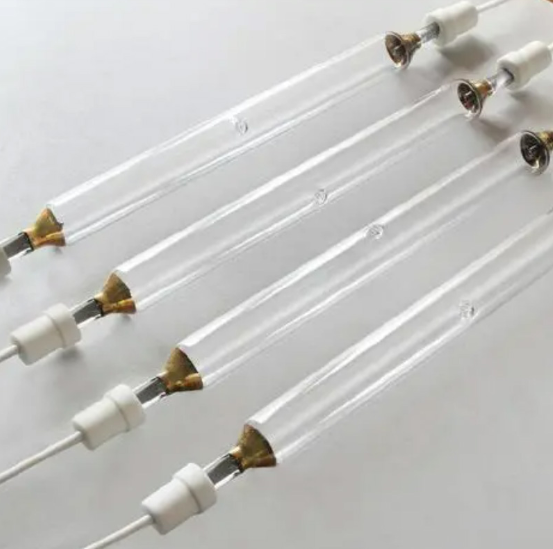
Most suppliers treat UV lamps like lightbulbs—you give them a part number, they ship you a tube, and that’s the end of the conversation. We don’t do that. For us, making a lamp is more like a technical deep dive. We want to find exactly where your printing or coating line is choking and fix it.
Getting the light to match your ink
Here is the thing: UV curing is all about chemistry. If the light coming off the lamp doesn’t “talk” to the photoinitiators in your ink, you’re just wasting electricity. We don’t just build to a specific length. We tweak the gas fill and the electrode shapes to hit the exact wavelength you actually need. Maybe you need a sharp, high-intensity hit for surface tack. Or maybe you’re dealing with thick coatings that need the light to punch deeper. Either way, the lamp has to be built for the chemistry you’re using, not just a generic spec sheet.
The battle between power and heat
Everyone wants more wattage because more power means faster line speeds. It sounds great until your PET film starts warping or your substrate gets scorched. That’s the trade-off. High-power lamps throw off a ton of infrared heat. If you crank up the power without checking your cooling blowers or adding quartz shields, you’re asking for trouble. We help you find that sweet spot—getting the mW/cm² you need to move fast without melting your product.
Gear that actually fits
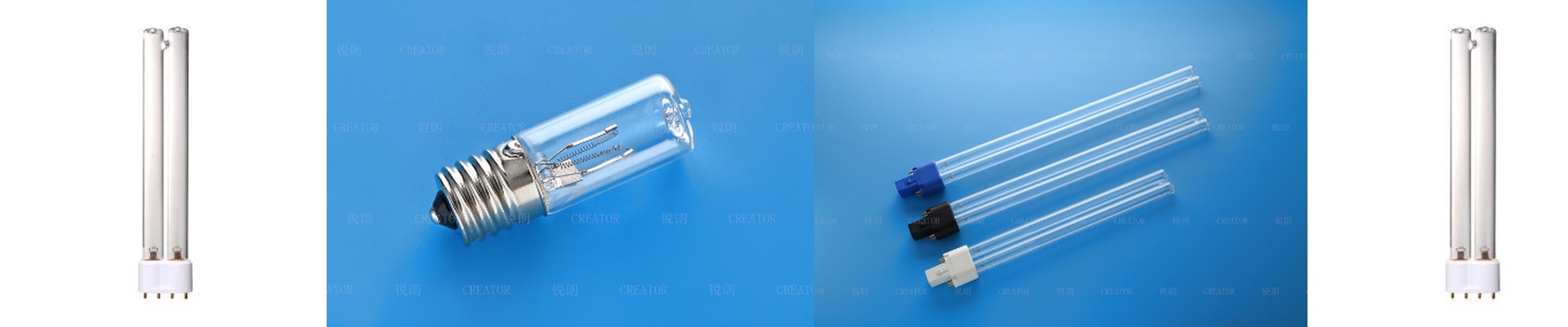
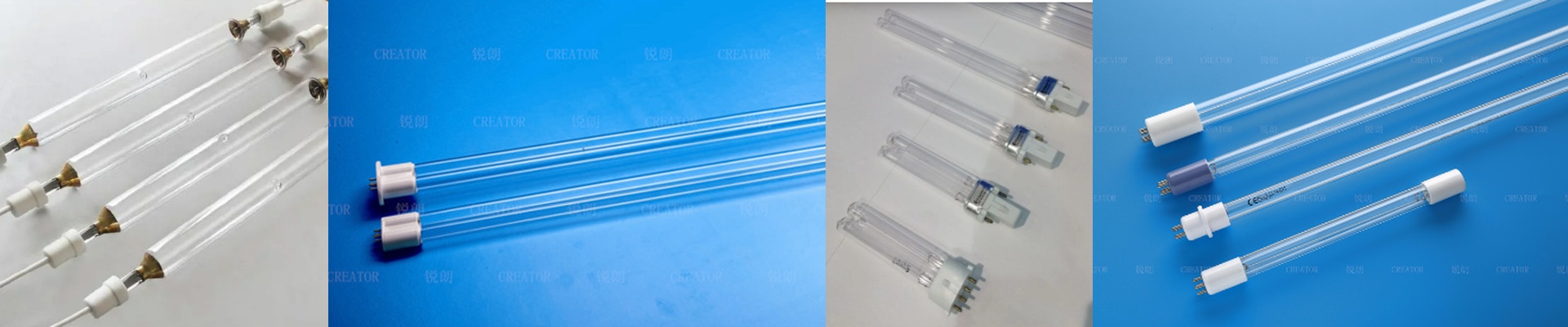
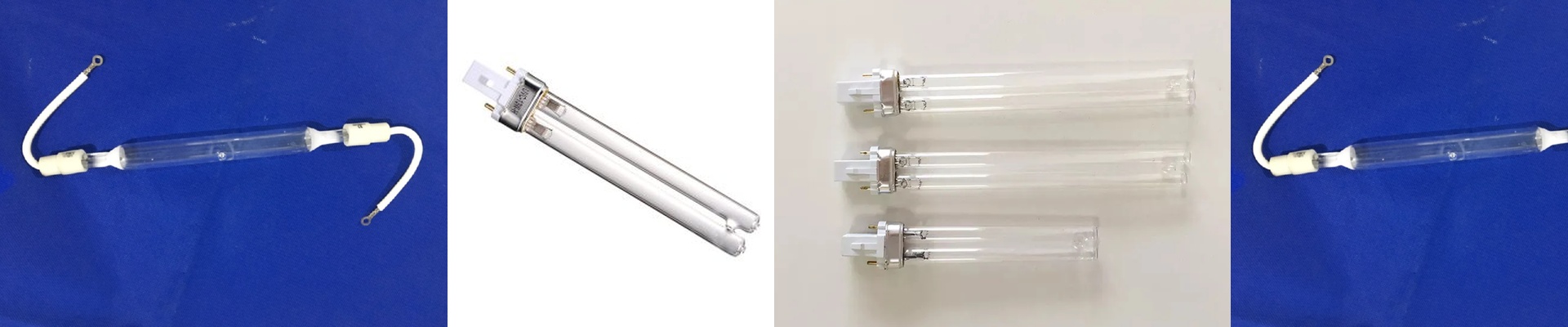
We make these as drop-in replacements. That means the footprint is exact and the connectors match. You won’t be spending your weekend rewiring cabinets or hacking away at the lamp carriage just to make something fit. It just works. But we also look at the gritty stuff. We think about how a lamp handles the constant vibration of a moving conveyor and how the electrodes hold up when you’re hammering them with rapid start-stop cycles. If your lamps are burning out way too fast, it’s usually because the ballast and the lamp aren’t on the same page electrically. We dig into those curves to make sure your lamps actually last, so you can spend less time replacing them and more time running your line.