
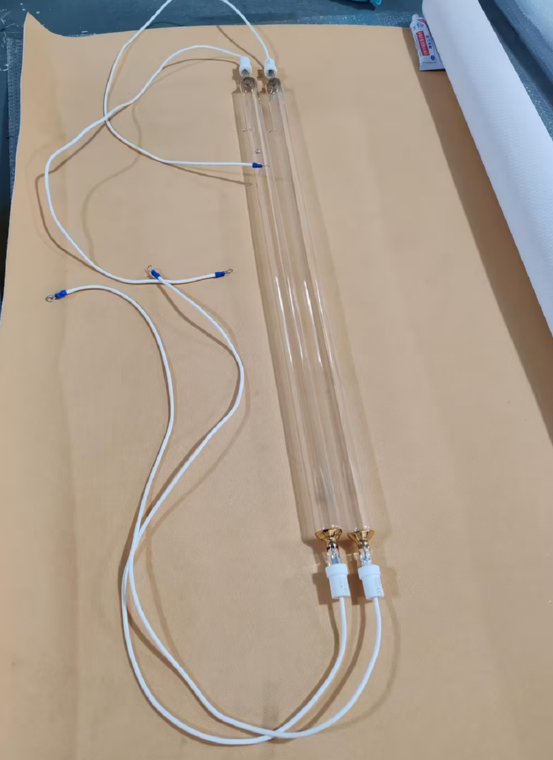
The Real Deal on Mercury UV Curing Bulbs
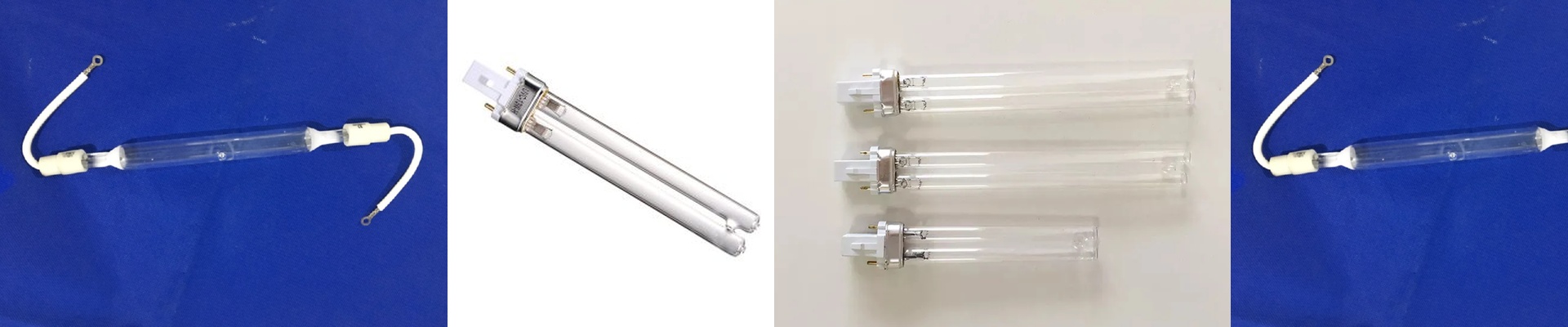
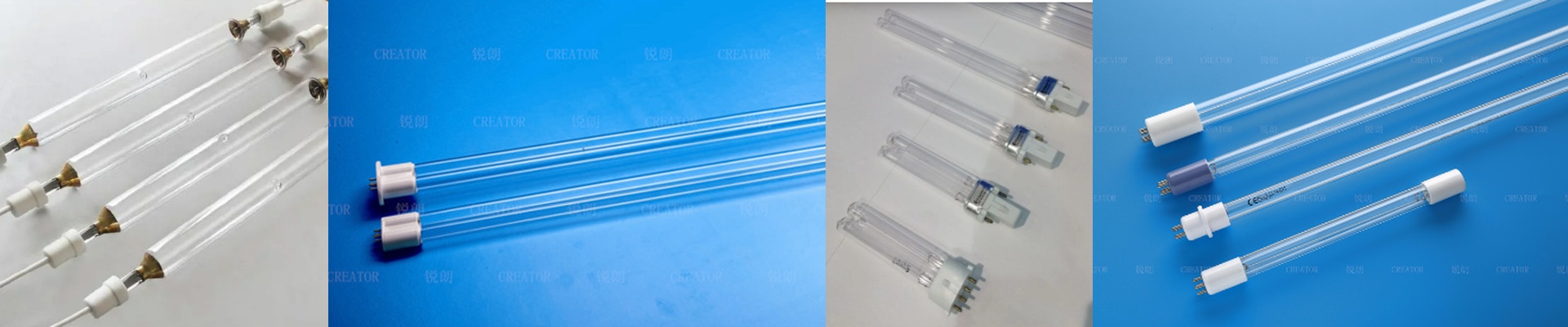
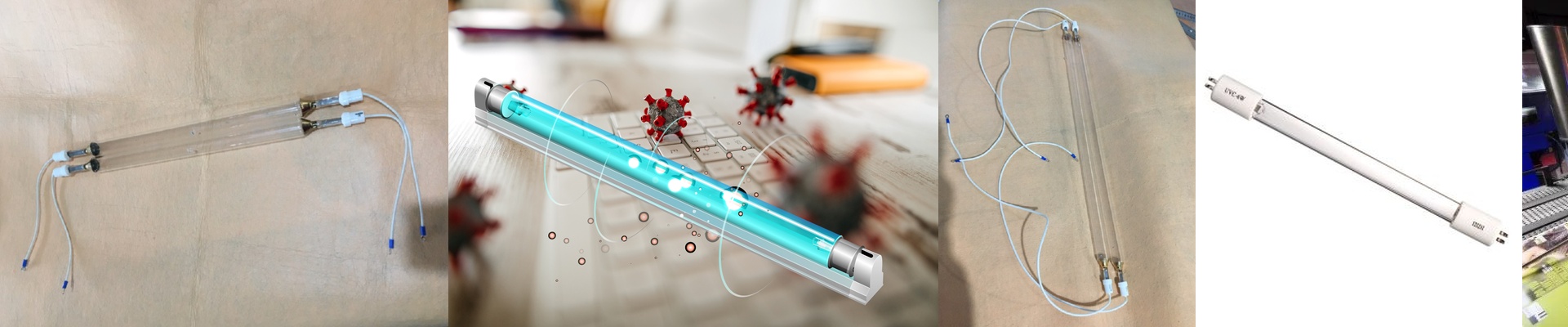
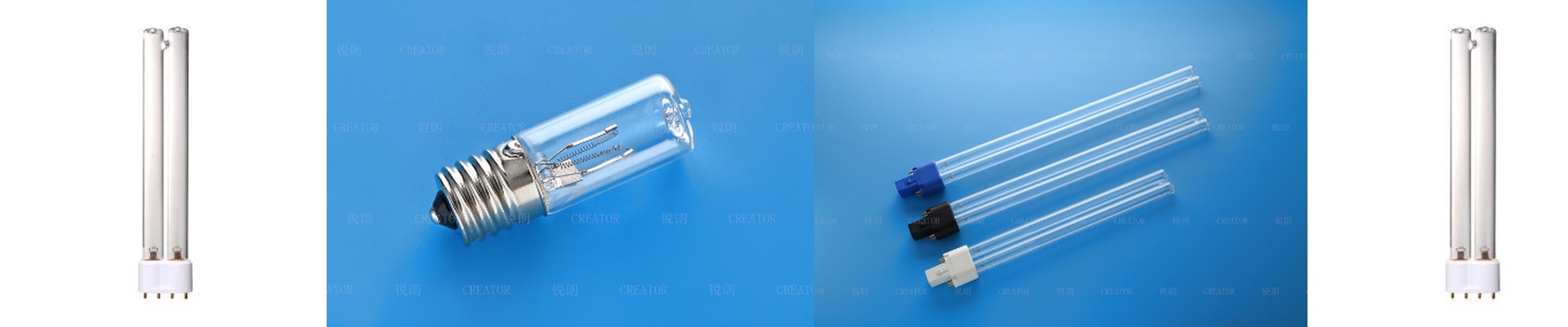
Think of these bulbs as the engine of your entire curing process. They aren’t just “lights”—they’re what actually force your resins and inks to harden. We build them to turn electricity into a very specific kind of UV radiation that snaps those chemicals together. If you’re running a high-speed automated line, these bulbs are the heavy lifters making it all possible.
How the magic happens
Here is the gist: we use mercury vapor discharge to get that UV output. Once you hook the bulb up to your ballast, an electrical arc creates plasma. That’s where the action is. It puts out a broad spectrum, mostly hitting that 254nm to 365nm sweet spot where most industrial photo-initiators actually wake up and start working. If you decide to crank up your line speed, you’ll need more wattage. Otherwise, your coating is going to roll off the conveyor still tacky, and nobody wants to deal with that.
The trade-offs (and how to avoid headaches)
We use high-purity quartz for the tubes. Why? Because regular glass would just block the UV rays, making the lamp a very expensive paperweight. Quartz lets those shortwave rays slide right through. But there’s a catch:heat. High-wattage bulbs get incredibly hot. If your cooling fans quit or your reflector gets caked in grime, the quartz overheats. The mercury degrades, and your bulb burns out way before it should. It’s a pain. To stop this, just check your reflector alignment every 500 hours. It takes a minute, and it saves you from dealing with hot spots.
Getting them into your line
We designed these to be simple drop-in replacements. No one wants to spend their weekend rewiring a whole rack, so we kept the end-cap dimensions and pin layouts standard. They just fit. When your UV output is steady, you stop wasting material and your scrap rate drops. Just one tip: keep your power supply stable. Voltage spikes are brutal on the electrodes and will kill your bulb’s lifespan faster than anything else.