
Getting UV Curing Right for Textile Printing
When you’re printing on fabric at high speeds, you don’t have time to wait around. You need the ink to lock in place the second it hits the cloth. If it doesn’t, you get smudges, bleeds, and a lot of wasted material. That’s where our UV systems come in. We basically trigger a snap chemical reaction—photopolymerization—that freezes the print exactly where it belongs.
The nitty-gritty of UV output
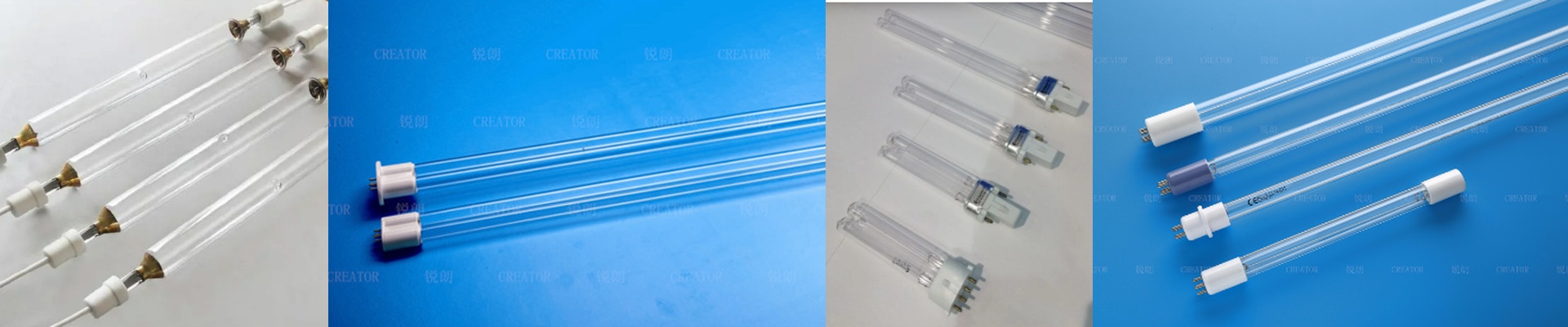
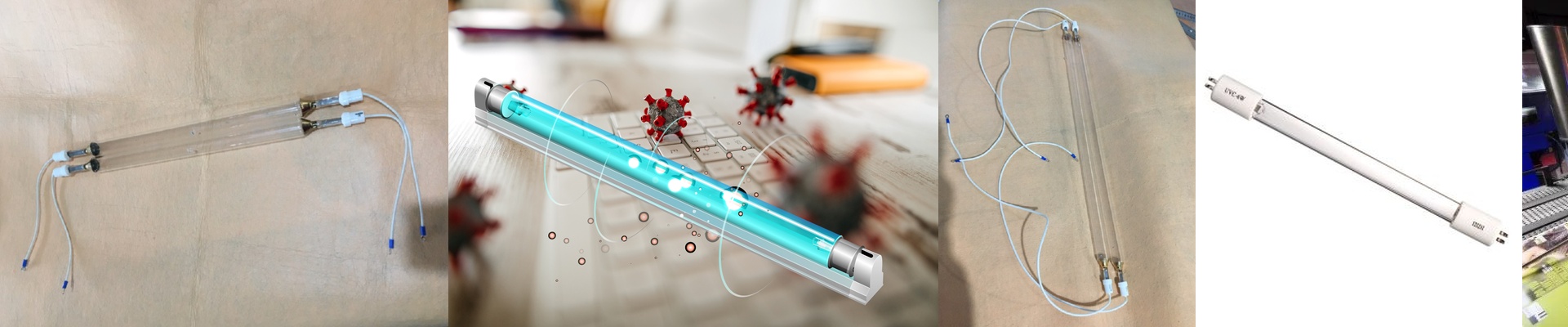
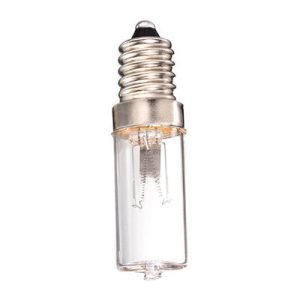
It all comes down to the wavelengths. We use UV-C and UV-B, but the real secret is the glass. We use high-purity quartz for the lamp envelopes. Why? Because cheap glass has impurities that block shortwave radiation. If the light can’t get through, you’re stuck with a tough choice: either slow down your entire production line or run the lamps way too long. Neither of those is a win. Now, these high-output tubes are powerful, but they gethot. Like, really hot. If you don’t have a solid cooling system—whether that’s forced air or water-cooled jackets—you risk scorching your fabric or just burning out your lamps way too soon.
Hardware that actually fits
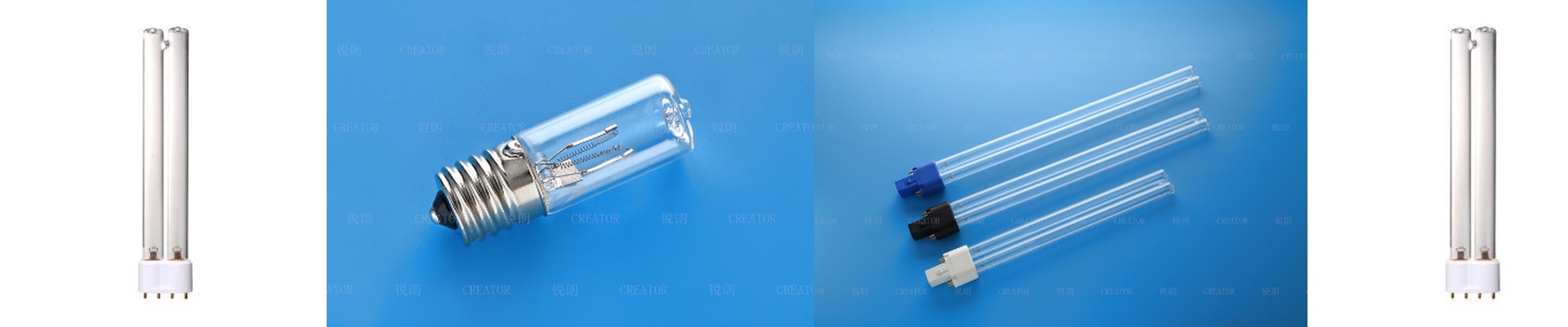
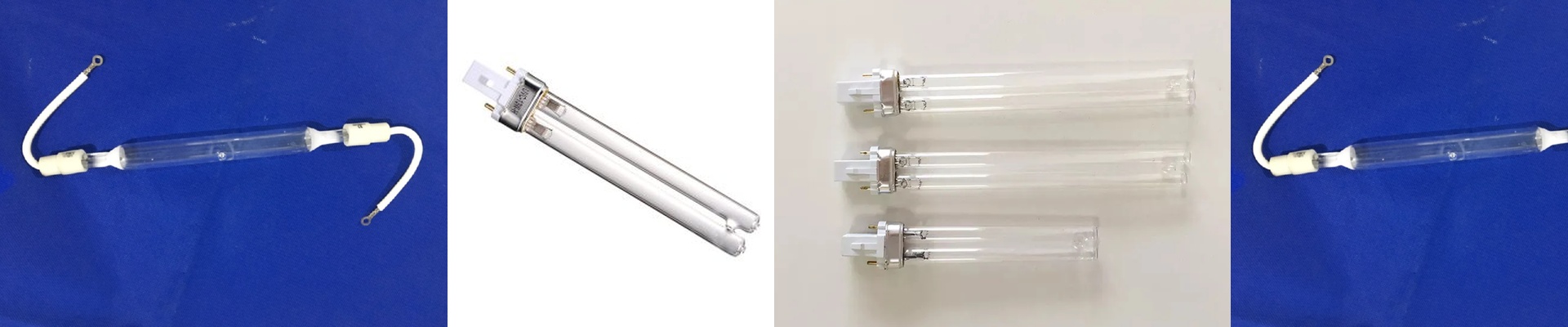
We’ve all dealt with the headache of proprietary parts. It’s frustrating. That’s why we use standardized connectors. We want these systems to be drop-in replacements, not a puzzle that locks you into one vendor for life. We also pay close attention to the wiring. If the cables aren’t rated for the right voltage and current, you’ll get voltage drops across your line. And in this business, inconsistent power means inconsistent prints.
The balancing act
Here is the thing: you always want more speed. But cranking up the power to get faster curing comes with a price. It wears down the lamp electrodes faster. Over time, you’ll notice the UV intensity dipping. If you aren’t tracking your millijoules per square centimeter (mJ/cm²) regularly, you might not notice until the fabric feels “tacky” to the touch. That’s the sign that your ink isn’t fully curing. It’s a trade-off. You have to find that sweet spot between pushing your production speed and keeping your lamps healthy.