
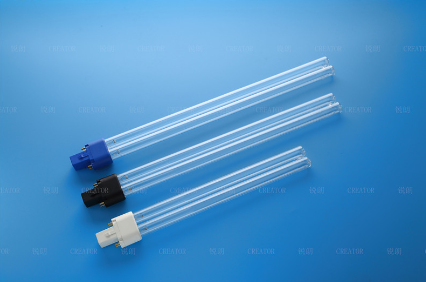
Out on the press, thick-paste jobs can look great until you run an adhesion or solvent rub test. The failure mode is predictable: the top skin is cured, but the bottom stays soft. That’s exactly where a commercial UV germicidal system—built for deep photon delivery—stops being an add-on and starts being the backbone of production.
What actually matters under the hood
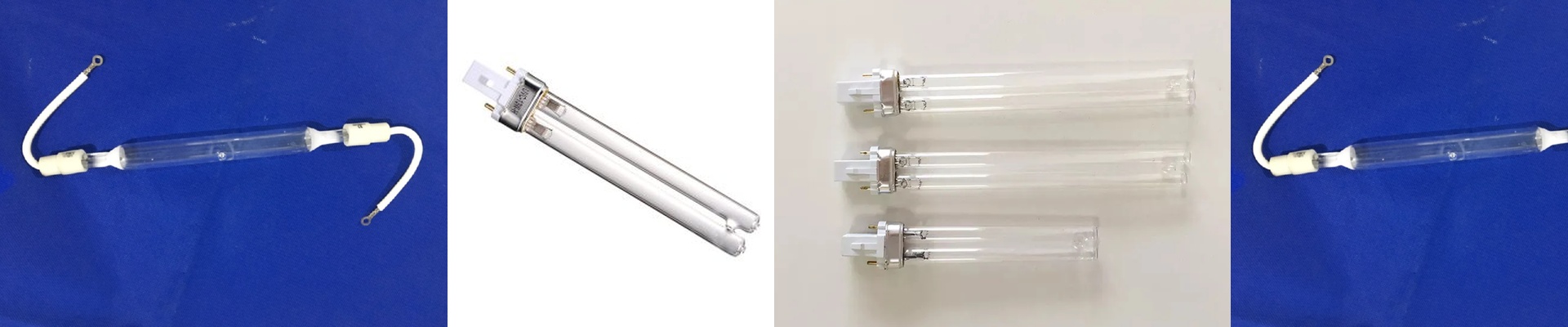
When you stack millimeters of ink, UV has to push through absorption and scattering to hit the bottom layer. We match a high-pressure mercury vapor lamp to a spectral output that drives the photoinitiators at depth, typically centered on 365nm for strong absorption and clean cross-linking. Peak irradiance is tuned high enough to deliver the required energy density (mJ/cm²) through the full build, while the reflector assembly uses a dichroic coating to maximize photon flux on the substrate and keep wasted heat down. The payoff is through-cure, not just a hard skin.
Why this approach fits thick-paste printing
Deep penetration gives you real process control. With deeper photon delivery, the entire ink column cures instantly, so you can stack, cut, and fold right away without blocking or smearing. You also cut rejects from incomplete cross-linking: adhesion holds, solvent resistance stays consistent, and pigment stability is maintained because the cure profile repeats. On the floor, that translates to quicker changeovers and fewer stoppages for rework.
The practical details you can’t skip
Deep-cure performance hinges on lamp-to-substrate distance, ink formulation, and keeping the reflector clean. Set the gap per the manufacturer’s spec, verify the spectral output with a radiometer, and keep the reflector free of dust and ink mist. Lamp output drops with operating hours, so plan preventive replacement based on accumulated energy dose, not calendar time. That’s how you keep curing energy stable, shift after shift.