
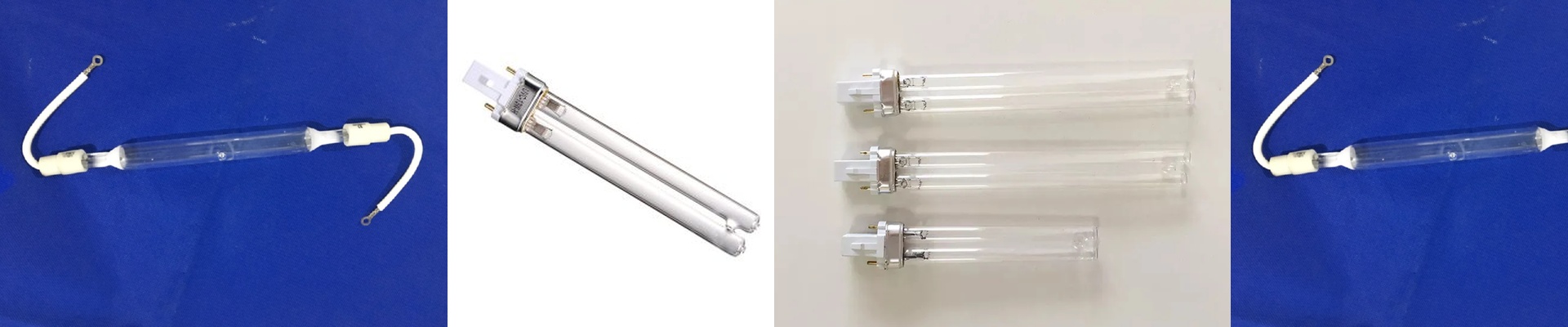
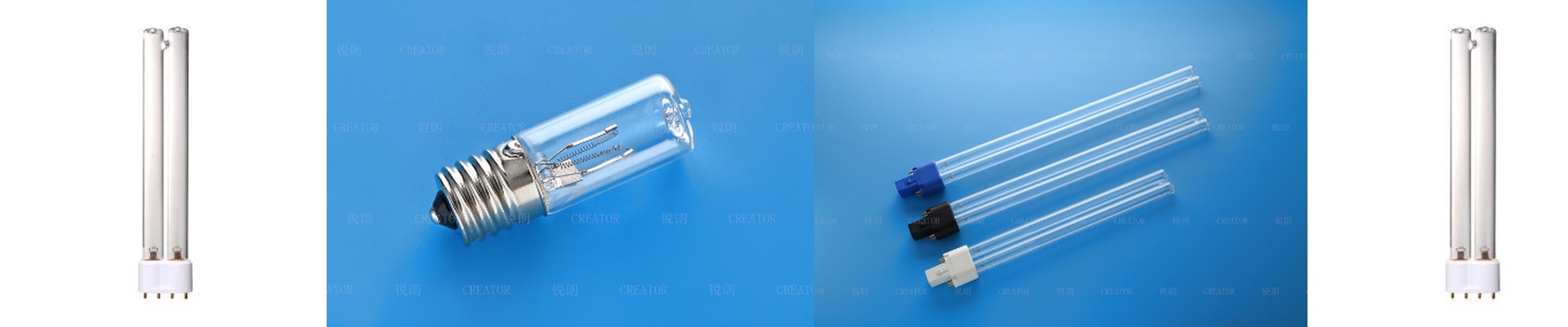
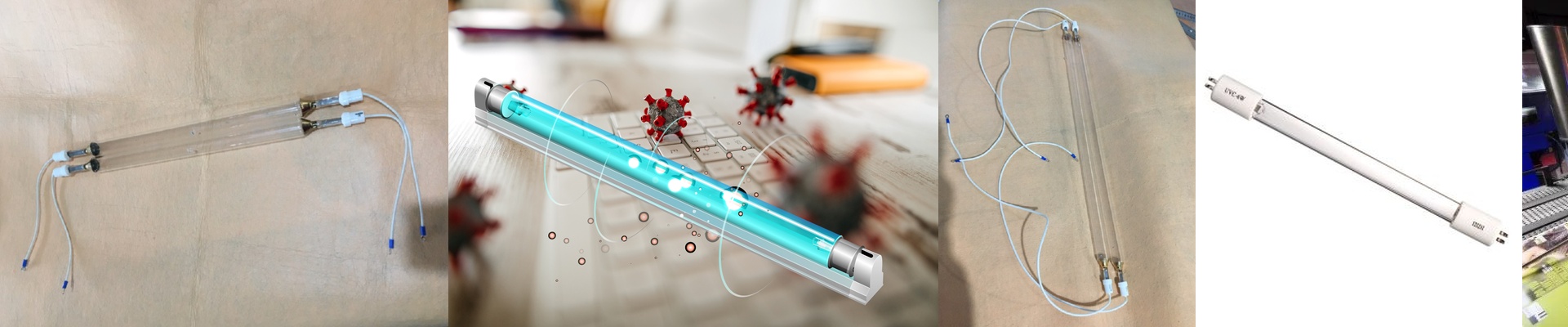
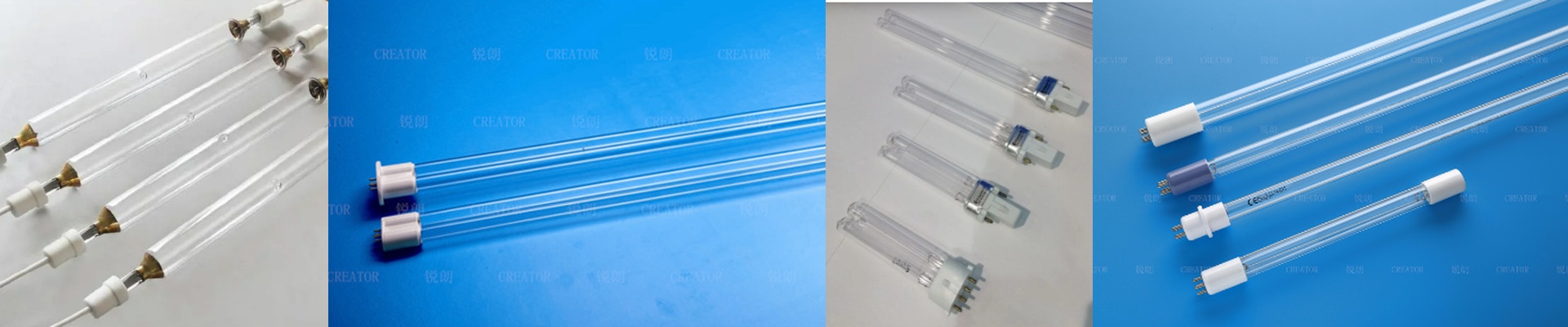

On the press, a thin film of oil and smoke on the lamp quartz acts like a filter. It robs your photoinitiators of the UV they need, and you end up with incomplete cross-linking, tacky sheets, and good paper that should have shipped. You have to clean, but over-cleaning burns through quartz and dulls reflectors. The real challenge is keeping output stable without eating your components. What matters under the hood We built this replacement around repeatable photonics, not vibes. The spectral output is centered at 365nm, so it penetrates pigmented and thick ink layers, with a full-width half-maximum that lines up with standard photoinitiator absorption. Peak irradiance at the substrate plane is specified in mW/cm², giving you the dose to flash-cure the surface while still driving full cross-linking through the film. The reflector uses a dichroic coating tuned to the same wavelength, sending energy back onto the target instead of dumping it as heat. The payoff is consistent curing energy, run after run. Why it fits the press room This unit drops in for high-pressure mercury lamps across UV offset, flexo, and screen work, where uptime and repeatable cure are table stakes. It hits full output instantly, so you cut out warm-up drift and the color shifts and set-off that come with it. Power use drops because the system makes usable UV, not broad-spectrum waste. Fewer lamp swaps mean less maintenance labor and fewer misalignments at changeover. Keep the window and reflector clean on schedule, and output stays stable. In controlled field measurements, we’ve seen lamp life stretch by roughly 30% when contamination is managed. What to watch with LED-UV LED-UV modules are compact and directional, but they need disciplined thermal management and clean optics. Match the emitting area to your cure window, align the reflector geometry to the substrate path, and make sure the power supply and connector ratings match the module. Check compatibility with your press controller and any interlock logic. Expect a different spectral balance than mercury vapor; confirm how your inks and coatings respond at 365nm, then adjust curing dose accordingly.