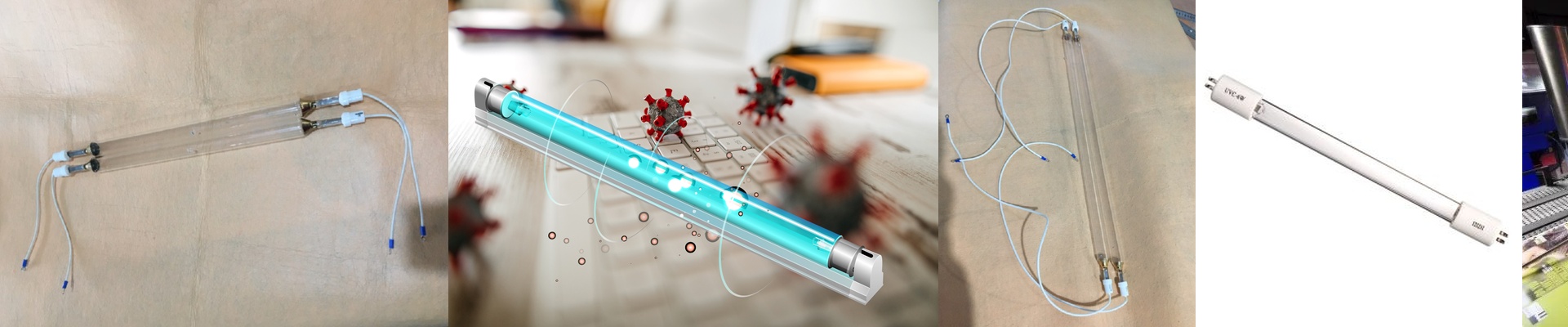
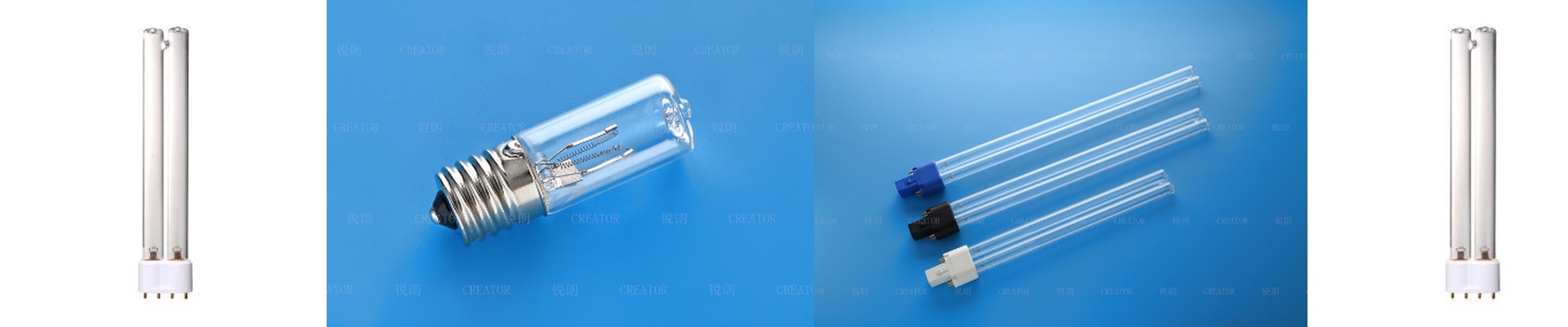

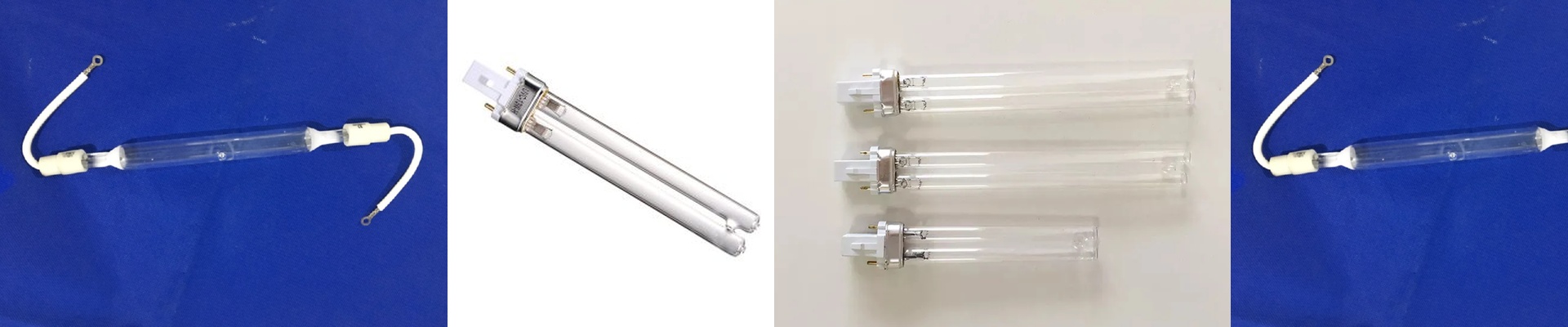
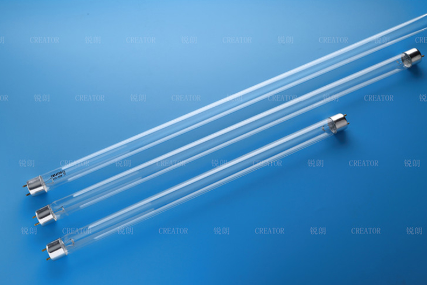
On the floor, the question isn’t just about light. It’s about cross-linking you can count on, throughput that holds steady, and downtime you can plan around. In apparel screen printing, you need a cure profile that lines up with the ink’s photoinitiator absorption, not just brute power. Short-wave UV (mercury vapor) and LED UV both get the job done — they just take different routes. What actually matters Short-wave UV lamps throw down a broad spectrum with real punch around 365 nm. That matches a wide range of photoinitiators and drives deep through-cure, even in thick deposits. Peak irradiance can top 3 W/cm², so you get high energy density fast. The trade-offs are real: mercury lamp output drifts over time, needs warm-up, and has a finite life — often 1,000–2,000 hours — while pulling a lot of energy and making ozone unless you spec an ozone-free quartz sleeve. LED UV, on the other hand, delivers narrow-band emission (typically 365, 385, or 405 nm), turns on and off instantly, holds stable output, and lasts 10,000+ hours. That spectral stability keeps photoinitiator activation consistent from the first cycle to the millionth, and the directional output lets you dose energy precisely. Why this plays the way it does in garment printing Substrates vary, and ink films run from thin washes to heavy builds, so the decision comes down to process tolerance. Mercury lamps bring the heat for dense pigments and thick stencils, but they also demand more cooling, more maintenance, and more spare lamps on the shelf. LED UV gives you repeatable dosing, lower energy draw, and less heat load — which helps minimize warping on synthetics and supports higher line speeds. In practice, LED curing tightens setup and shortens makeready. Mercury systems still make sense for legacy ink sets and high-pile applications where the cure physics lean on that broad spectrum. The stuff you can’t gloss over With LED curing, you have to match wavelength to the ink’s photoinitiator. Swap inks without re-qualifying, and you can end up with a cured surface while the base stays undercured. LED modules also need proper cooling — air or liquid — and they have to be matched to the press’s dwell time and beam profile. Mercury lamps, for their part, need reflector alignment and correct lamp positioning to hit target irradiance. If those are off, output drops fast. Either path can deliver reliable results, but only when spectral output, peak irradiance, and energy density are engineered to match the ink, the substrate, and the line speed.