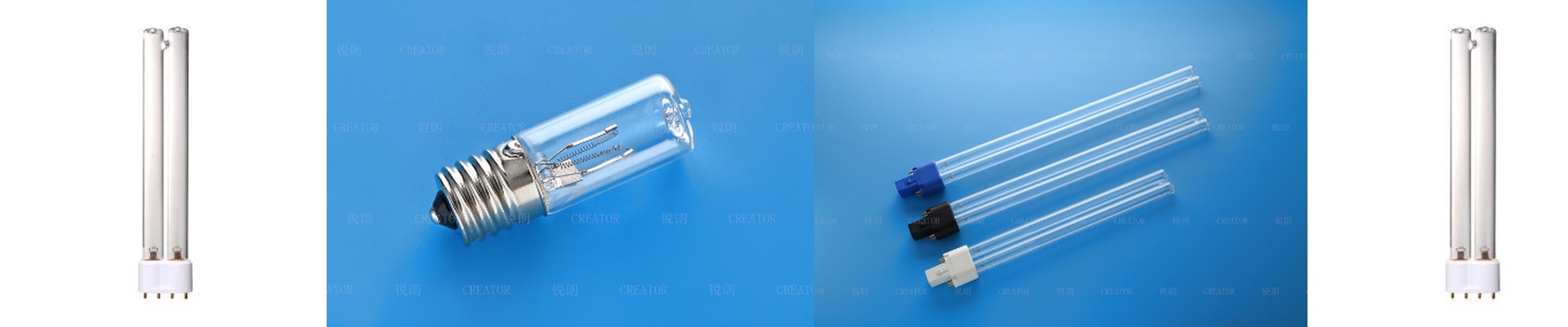
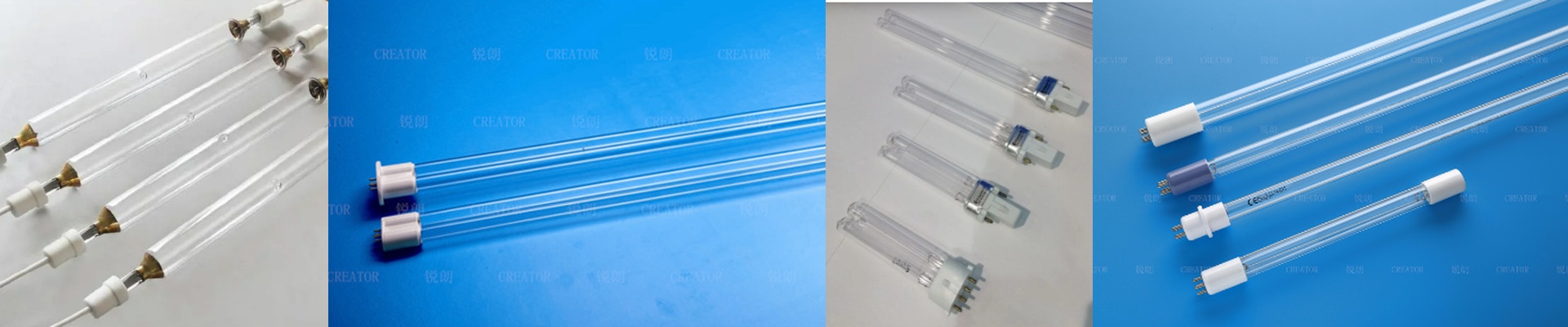

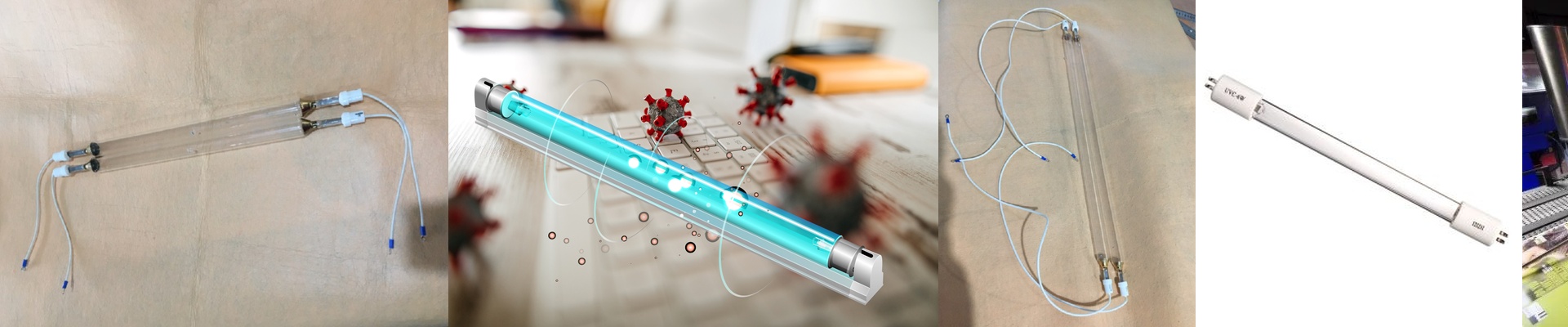
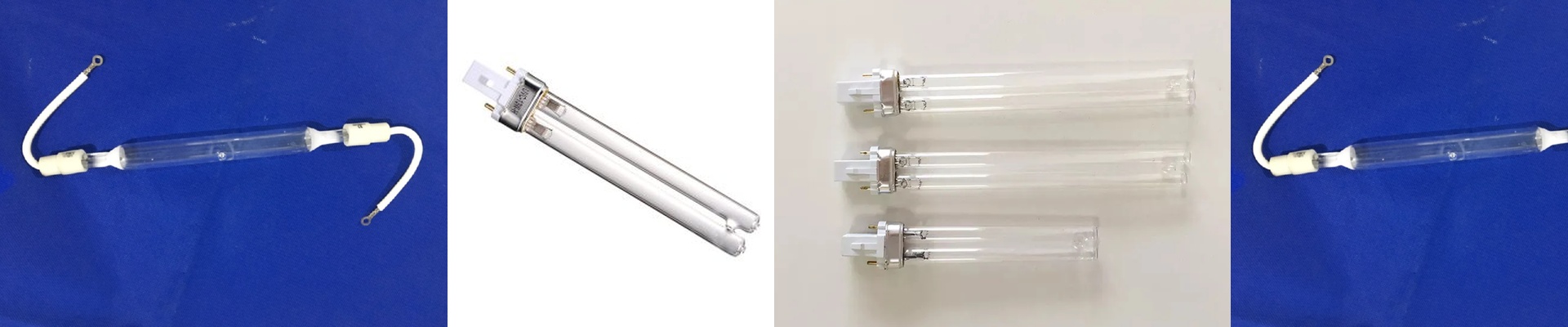

Any shop running UV-curing lines already knows what unplanned downtime costs. The same mindset has to apply to air purification: when airborne contaminants start messing with quality control, the UVC lamp has to fire on demand. You need predictable output, not guesses, to keep the air clean and the process steady. What actually matters, technically UVC germicidal lamps in air purifiers are low-pressure mercury vapor lamps, built to give you a primary spectral line at 254 nm—right where DNA and RNA absorption peaks. Peak irradiance at the lamp surface typically lands around 30–60 mW/cm², depending on arc length and power density. But inside the purifier chamber, what counts is the delivered dose at the target plane, measured in mJ/cm². Go with ozone-free quartz sleeves and reflectors that hold high UVC reflectivity. That’s how you maximize effective dose without creating NOx. Lamp life is quoted as an 8,000–12,000 hour L70/L80 curve. Output decay is gradual, so a lamp sitting at 60% of initial irradiance can still be plenty—if the chamber design and airflow rate were sized around that reduced dose from the start. Why this makes sense in a printing plant In our world, air purifiers protect sensitive electronics, the substrates we run, and operator health. A stable UVC dose means consistent microbial reduction shift after shift—so you don’t get biofilm building up in ductwork and you don’t have spores drifting onto freshly cured prints. Pair lamp output data with a maintenance ledger—start hours, irradiance readings, chamber throughput—and you stop treating the lamp like a surprise expense. It becomes a predictable asset. Fewer sudden alarms, fewer emergency replacements, and lamp swaps you can schedule to fit production windows. The things you learn the hard way UVC intensity falls off with the square of distance, and airflow turbulence can create dose shadows. Check chamber geometry, lamp positioning, and sleeve cleanliness—because a thin film of dust can drop output measurably. Confirm electrical compatibility, including ballast type and end-of-life detection, and make sure interlocks are in place so operators aren’t exposed. Operating temperature matters, too. Cold starts will temporarily reduce output, so let the system warm up before you count on the rated dose.