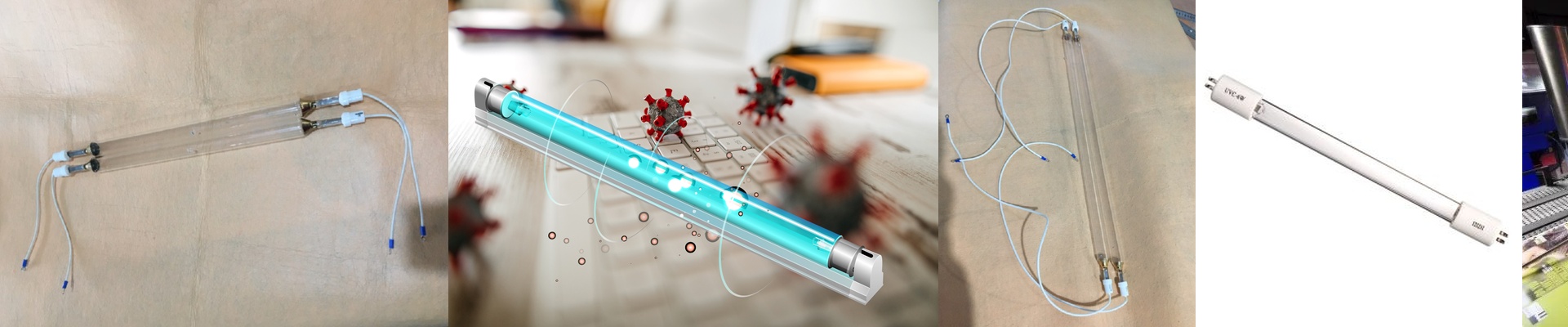
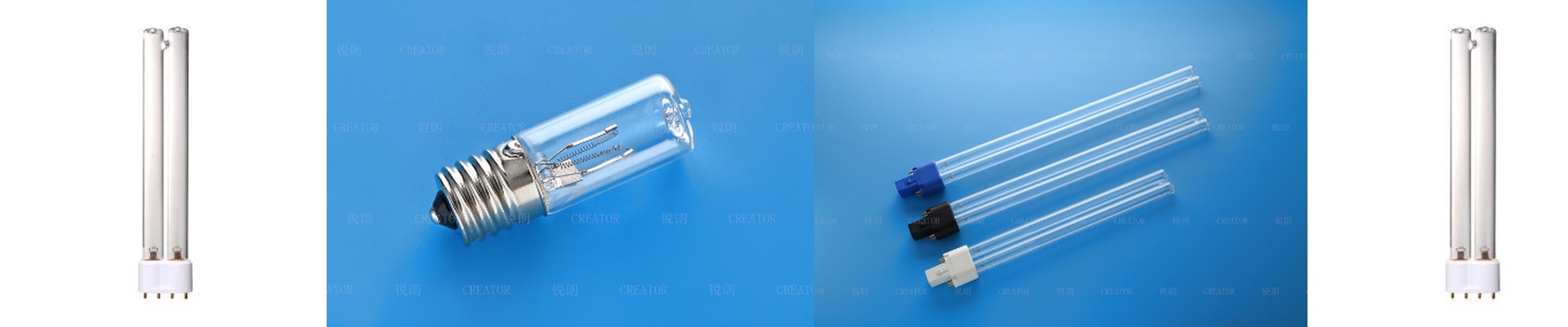
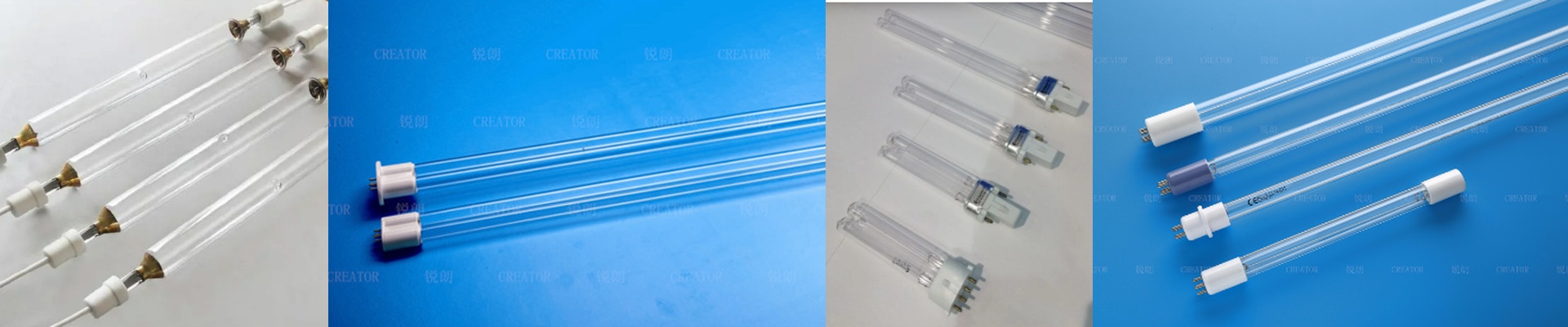

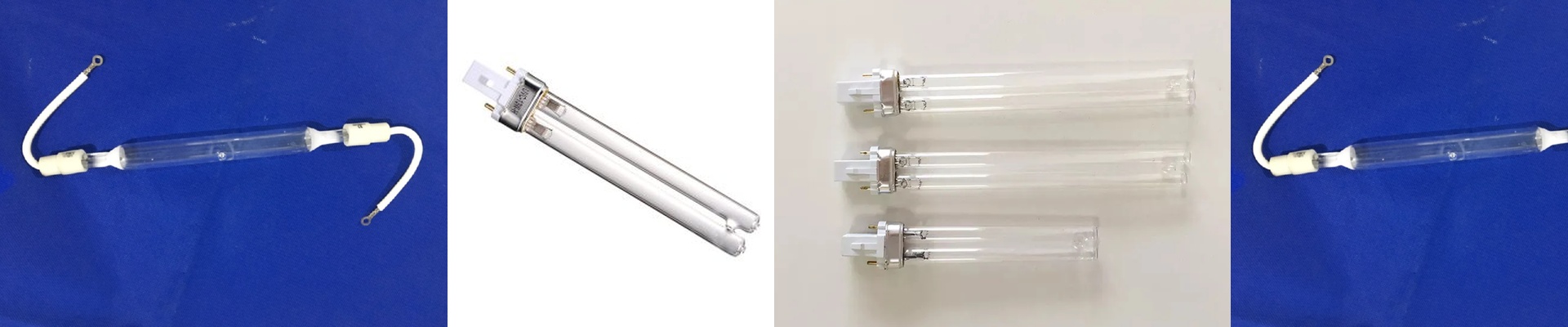

Unplanned downtime on the SMT line or in the conformal coating cure station doesn’t just stall throughput — it wastes material. In electronics assembly, when a UV lamp goes down, you don’t just lose a lamp. You lose adhesion, you stop cross-linking, and you get stuck doing emergency swaps that wreck the schedule. Predictive maintenance can start with a consumption ledger, but the ledger only matters if it ties back to actual lamp performance. Here is the thing that matters on the floor: spectral output and delivered energy. Our medium-pressure mercury vapor lamps are built around a stable 365nm peak, with broadband output to hit the photoinitiators in adhesives, potting compounds, and coatings. Target peak irradiance hits 1200 mW/cm² at the arc distance used in your curing fixture, and the quartz envelope keeps transmission consistent. A dichroic-coated reflector pushes energy forward, and ozone-free operation keeps the work area clean and prevents ozone-related degradation on sensitive parts. You can count on 5,000+ hours of stable output, with less than 5% intensity drop at full power. Why this works in practice is pretty simple. Log hours, intensity, and energy density (mJ/cm²) per job, then you can forecast replacement windows before output drift starts causing under-cure. The payoff is fewer midnight callouts, cure profiles that stay repeatable, and less money tied up in spare inventory. You also cut energy use because the reflector and arc stability keep the required dose consistent — no over-curing, no wasted watts. Installation comes down to details. Match the reflector geometry and the spectral window your ink or adhesive actually needs. Confirm the fixture’s connector and cooling airflow are compatible; mismatched airflow shortens lamp life by running the envelope too hot. Also make sure the cure station’s shutter cycle and dwell time line up with the lamp’s warm-up curve. Measure with a spectral radiometer, set your dose threshold, and let the data set the maintenance schedule.