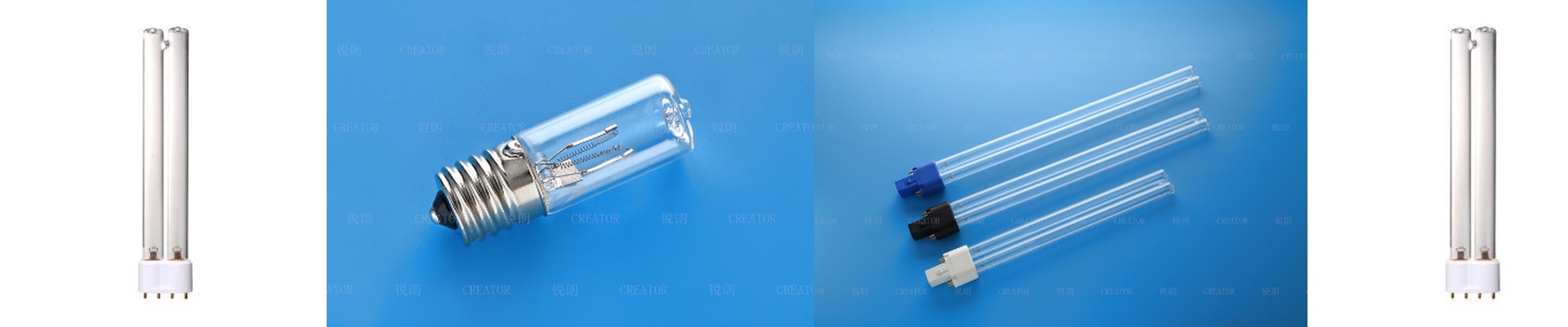
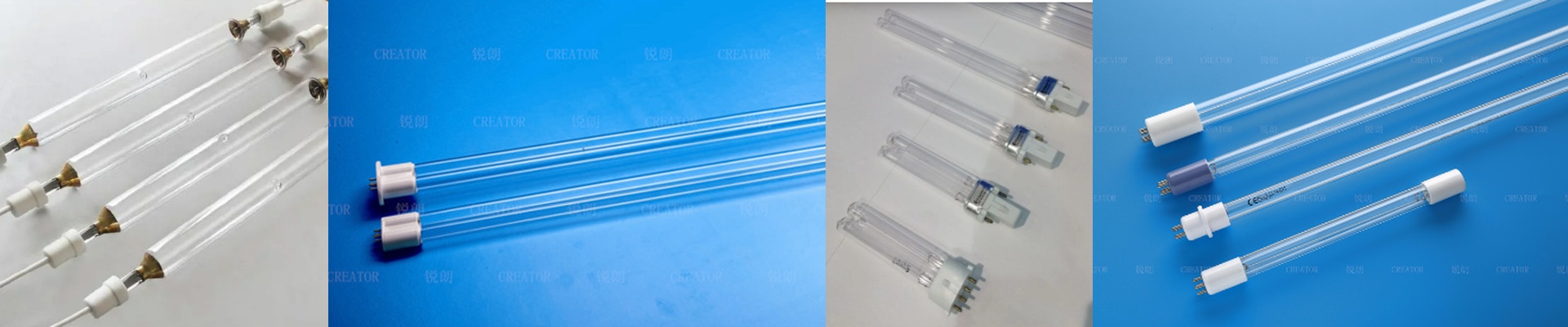

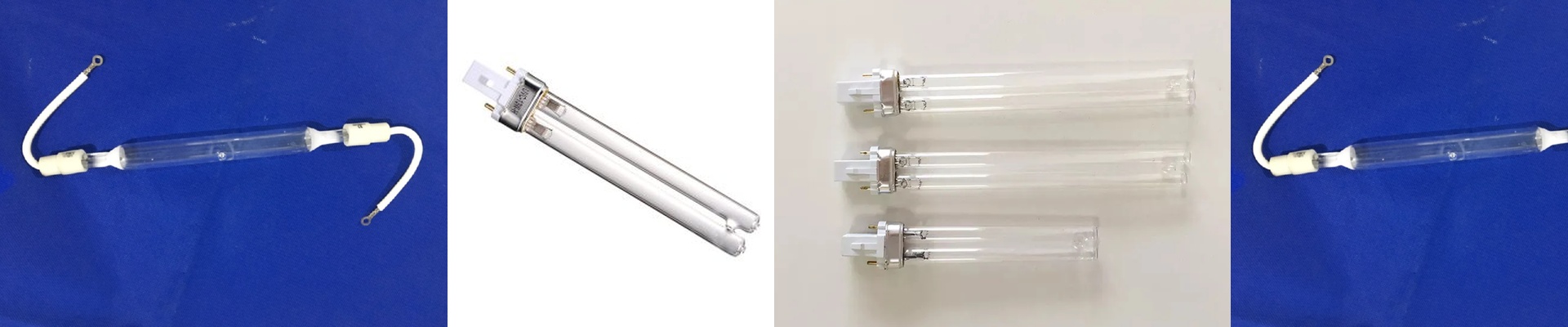
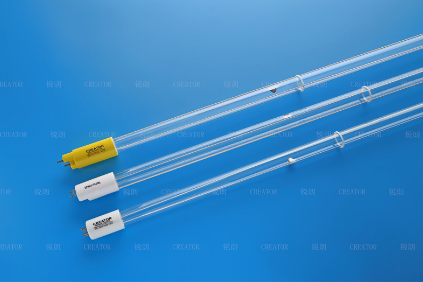
On the press line, counterfeiters lean hard on the broad, low-peak output of standard UV lamps to bury weak security inks. The fallout is familiar: ambiguous readability, scrapped runs, and failures that show up after the job ships. What you need isn’t brute UV intensity. It’s spectral control. What matters technically We build a high-pressure mercury vapor lamp with a narrow spectral envelope centered at 365nm, held stable within ±2nm. A dichroic reflector isolates that target band and knocks down secondary peaks that drive photoinitiator over-excitation and unwanted fluorescence. Peak irradiance tops 800mW/cm² at the substrate, delivering 1,200–1,800mJ/cm² in a single pass on typical security inks. Output holds through 5,000+ hours with less than 5% drop, and the lamp is ozone-free so you don’t get surface oxidation that dulls security pigments. Why it works in practice Anti-counterfeiting inks live and die on precise photoinitiator absorption and controlled cross-linking. With 365nm purity, you maximize the differential response between genuine and imitation formulations. That makes the security mark pop under inspection while the background stays quiet. You cure consistently without overcuring adjacent coatings, so the security layer stays clean, crisp, and machine-readable. In real terms, that means fewer false rejects, higher throughput, and repeatable color and intensity from machine to machine. What you need to get right Matching the lamp to the system is half the battle. Integrators have to line up reflector geometry, lamp-to-substrate distance, and shutter timing to hit the required energy density. Run higher power density and you shorten lamp life, plus you risk heating the substrate. Plan for active cooling, and verify spectral output at the cure window with a calibrated radiometer. Compatibility with presses and curing modules comes down to confirming arc length, terminal type, and the power interface.