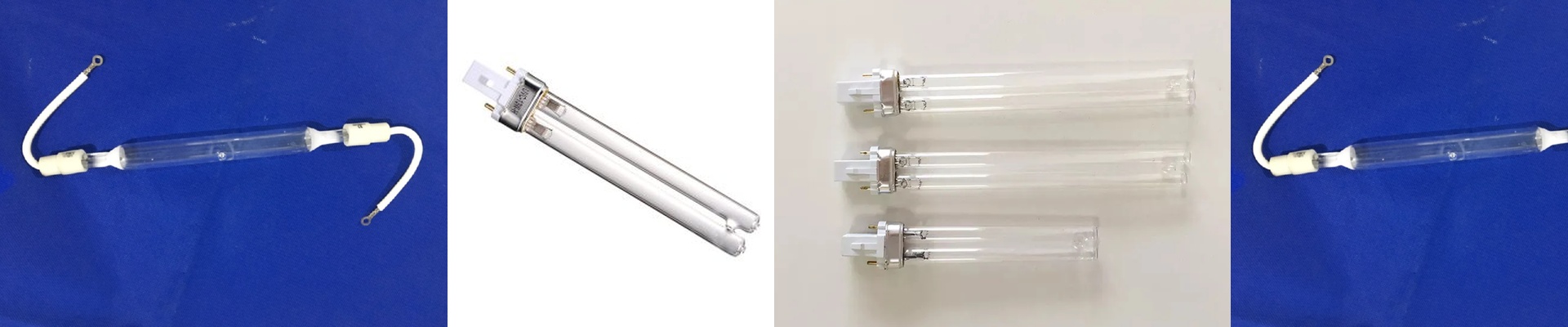


The Real Deal on Our Mercury UV Bulbs
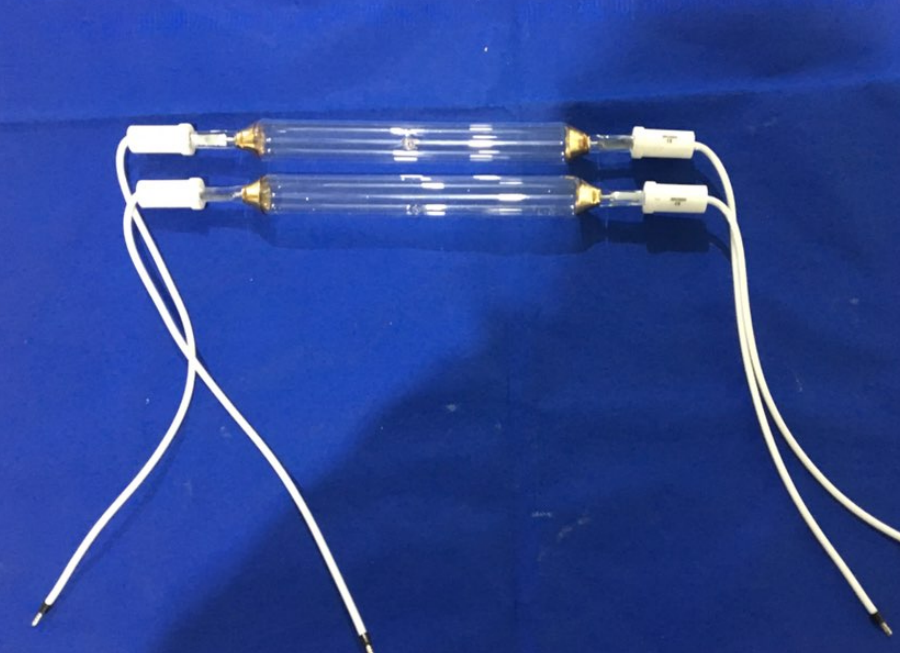
Here is how these things actually work: we run an electrical discharge through mercury vapor. That creates the UV radiation (mostly UVC and UVB) that makes your inks, coatings, and adhesives snap into place. It’s called cross-linking, but basically, it’s what turns a liquid mess into a hard, cured finish. Power and Heat: The Balancing Act We build these bulbs to hit a specific wattage-to-length ratio. Why? Because you need the light to be consistent across the whole web. But here is the catch. To keep that plasma arc humming, you need high voltage. If you try to cram too much wattage into a tiny tube, the heat spikes fast. If your cooling fans or water-jackets aren’t pulling that heat away, the quartz envelope will soften. And once that happens, the bulb fails. Simple as that. Why the Quartz Matters We use high-purity fused quartz for a reason. Normal glass would just block the shortwave radiation, making the lamp a very expensive paperweight. Inside, we dose the mercury vapor with a lot of precision. Depending on what you’re doing—whether you’re hitting a thin surface coating or trying to cure deep-section resins—we can tweak the gas mix to shift the wavelength. Making Them Fit Your Gear If you’re buying wholesale to build your own brand, we can handle the dirty work. Need custom end-caps? Different lead-wire lengths? We can do that so the bulbs just slide right into your existing housings without any fuss. We can even put your own branding on the lamp ends or the packaging. You just tell us how you want it to look. The Trade-off Look, mercury bulbs are great because they cover a broad spectrum, but they run hot. I mean really hot. They put out a lot of infrared heat. If your conveyor belt is moving too slowly, your materials might warp or scorch. It’s all about the dance between your line speed and the lamp’s output. You want a full cure, but you don’t want to bake your product.