

Why the “Cheap” UV Lamp is a Huge Risk
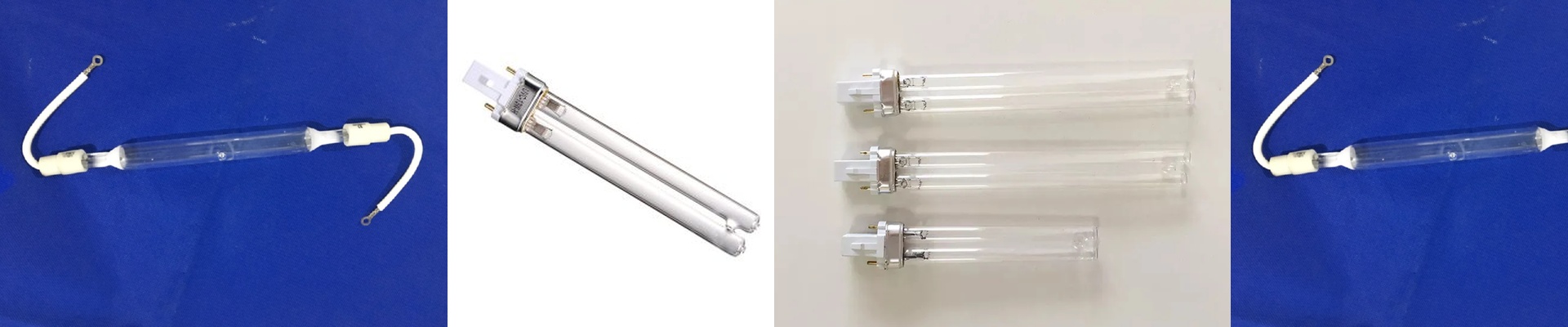
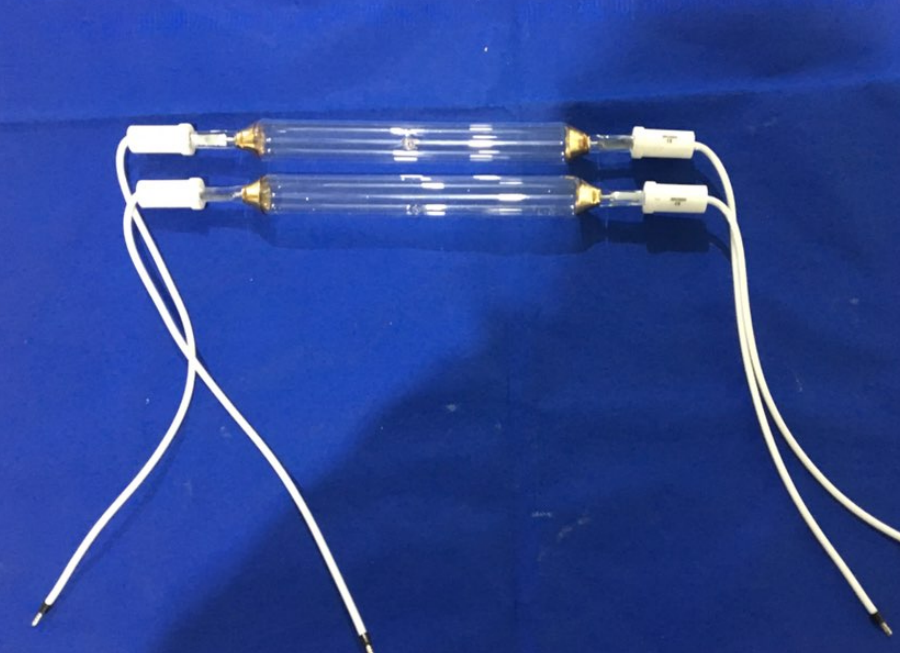
Standard mercury UV bulbs are the backbone of industrial drying. They’re simple in theory—plasma discharge, short-wave radiation, and boom, your coating is cured. But if you’re sourcing these for a global market, the technical specs are actually the easy part. The real headache? The legal stuff.
The Patent Trap
Most people just look at wattage and wavelength. That’s a mistake. Here’s the thing: a lot of those “generic” lamps you see online are just copies. They use electrode shapes or quartz processes that belong to someone else. If you ship a machine across a border with a “copied” lamp inside, you’re playing a dangerous game. Customs agents don’t care about your margins; they care about IP laws. One wrong bulb and your entire shipment gets seized. Then come the fines. We do things differently. We spent the time and money to develop our own patents for gas-fill ratios and electrode positioning. When you use our lamps, you aren’t inheriting someone else’s legal nightmare. You can hand over your export papers and actually sleep at night.
The Heat Struggle
Then there’s the heat. Mercury lamps are temperamental. You want high output so your line can move faster, but that comes with a massive amount of infrared heat. If you aren’t careful, you’ll end up warping your materials or, worse, burning a hole right through your conveyor belt. It’s a delicate balance. We tweak the spectral output to hit those UV-C and UV-B peaks hard, while keeping the thermal load under control. It keeps your product safe and your equipment from melting.
The Bottom Line
Yeah, our high-spec bulbs cost more upfront than the unbranded stuff. You’re paying for the R&D and the peace of mind. But think about it this way: is saving a few bucks per lamp worth the cost of a shipping container sitting in a port for three weeks while lawyers argue? Probably not. We give you the data sheets and the patent certifications you need to prove everything is legit. It keeps your supply chain moving and your stress levels low.