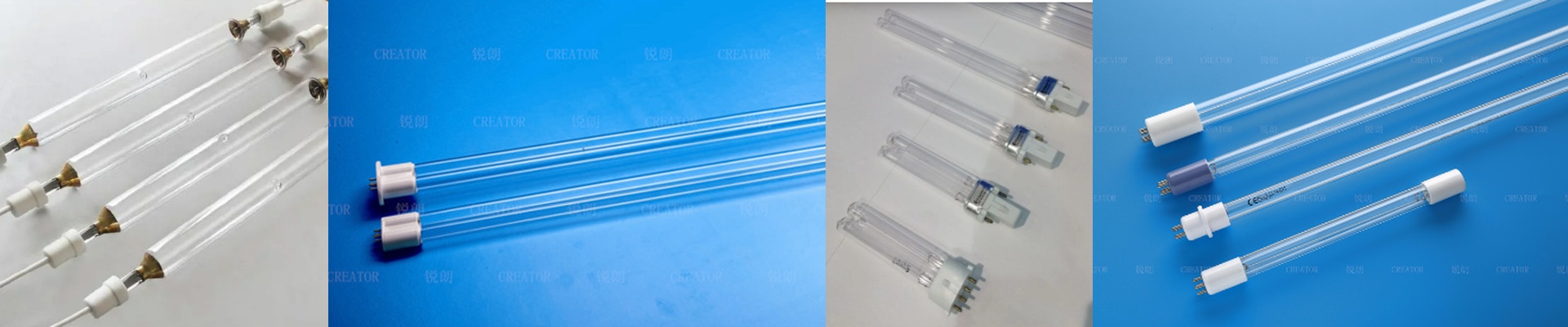
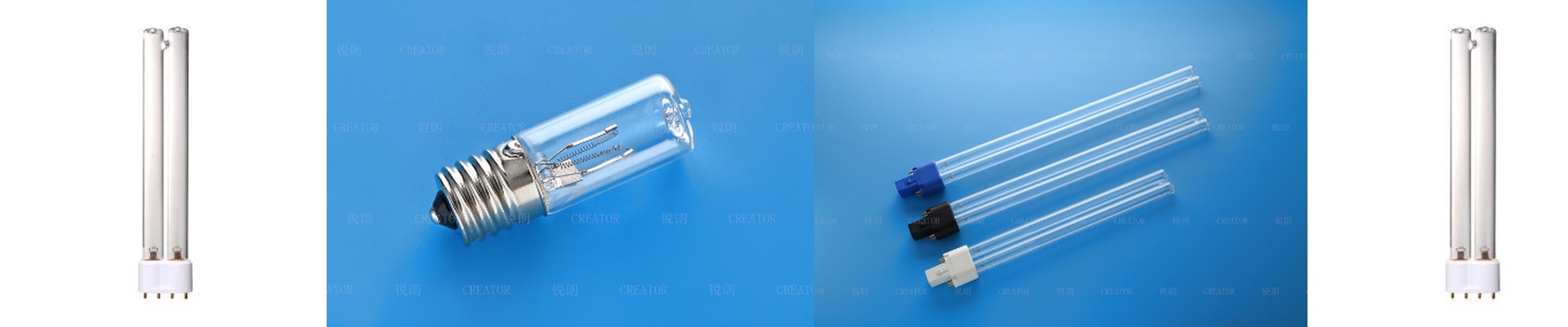
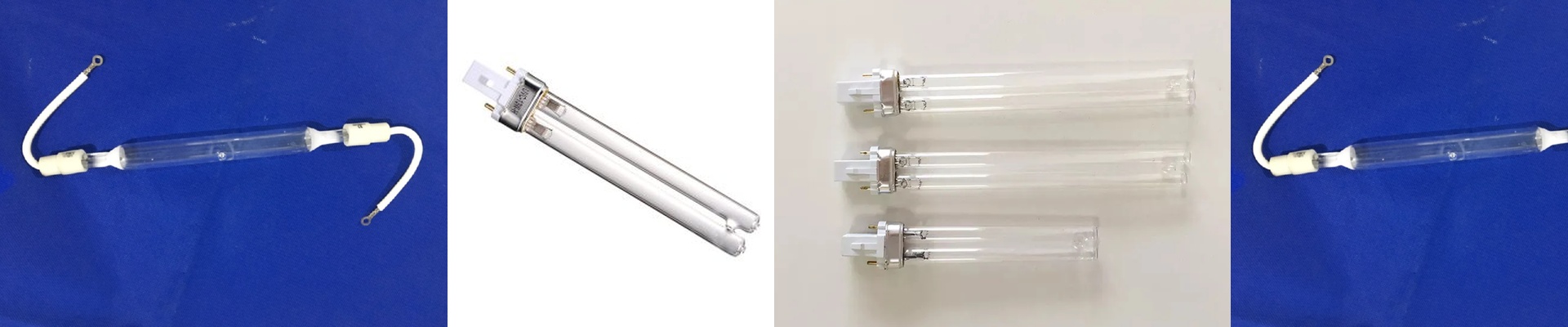

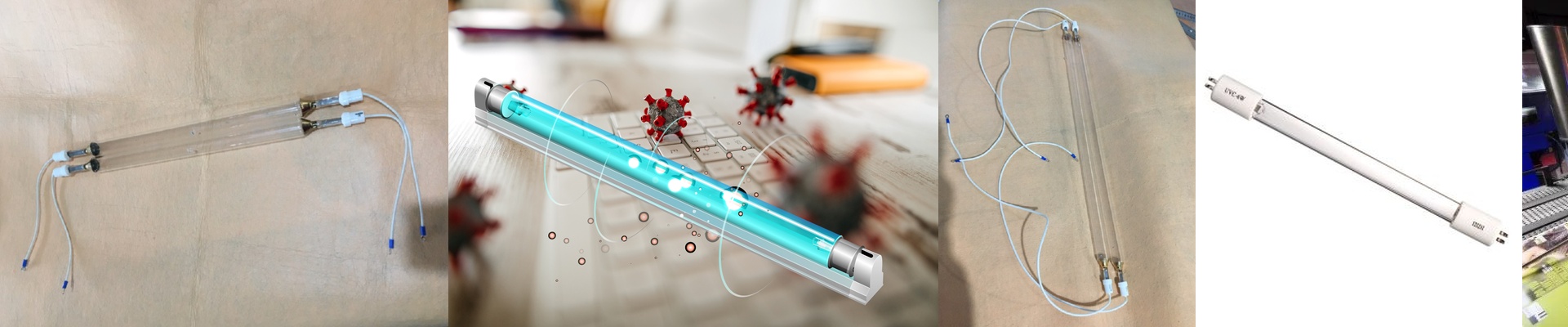
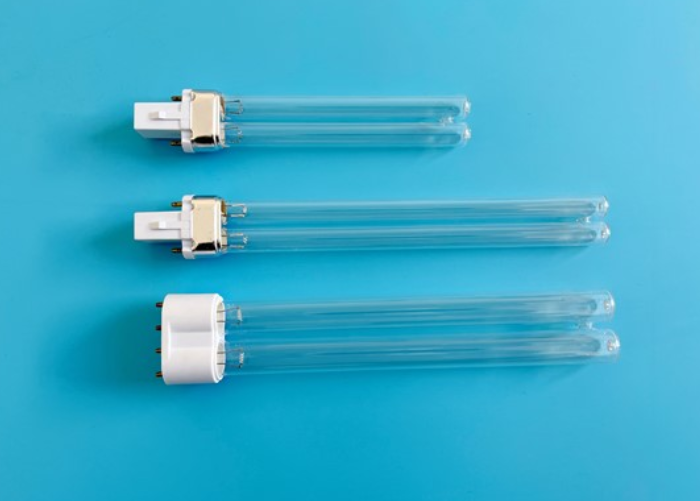
Old offset, flexo, or screen presses start to drag when the original UV system can’t keep up with what modern inks demand. Reflectors lose their edge, lamp output falls off, and you’re suddenly fighting slow cure, adhesion problems, and unplanned downtime. We rebuild the curing core with custom lamps that restore the energy density needed for full photopolymer cross-linking—so the press runs the way it was meant to. What actually matters under the hood We match the lamp to your ink chemistry and substrate, dialing in spectral control at 365nm, 385nm, or 405nm. The output profile stays stable, so photoinitiator activation is consistent job after job. Where it’s needed, peak irradiance is engineered above 1,200 mW/cm²—enough to surface-cure instantly while still driving deep for a fully cured through-cure. Quartz or ozone-free envelopes, dichroic-coated reflector geometry, and a tight arc length give you uniform dose across the full print width. That’s how you get repeatable adhesion, hardness, and chemical resistance. Why this approach works in the real world This is a retrofit: keep the press, upgrade the curing heart. The lamp drops into your existing housing and power connections, but the output is current-generation. You get higher press speeds without compromising cure quality, lower energy draw per cured meter, and fewer lamp changes because output stays stable over life. On aging equipment, the payback hits fast—less scrap, fewer solvent wipes, and more uptime. What you need to square away Retrofit comes down to fit: lamp dimensions, terminal type, and reflector compatibility. Send the machine model and your current lamp specs, and we’ll set you up with a true drop-in solution. Make sure your power supply matches the lamp’s voltage and ignition requirements, and confirm your ink is tuned for the wavelength you choose. Output is sensitive to cooling and reflector condition—keep airflow steady and reflectors free of oxidation, and you’ll hold the designed irradiance profile.