


Getting Your UV Curing Right (Without the Headaches)
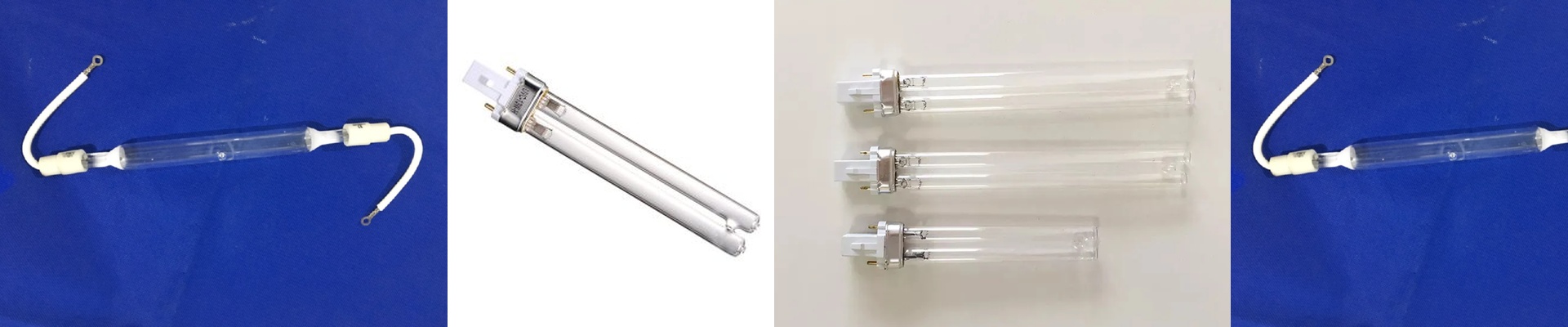
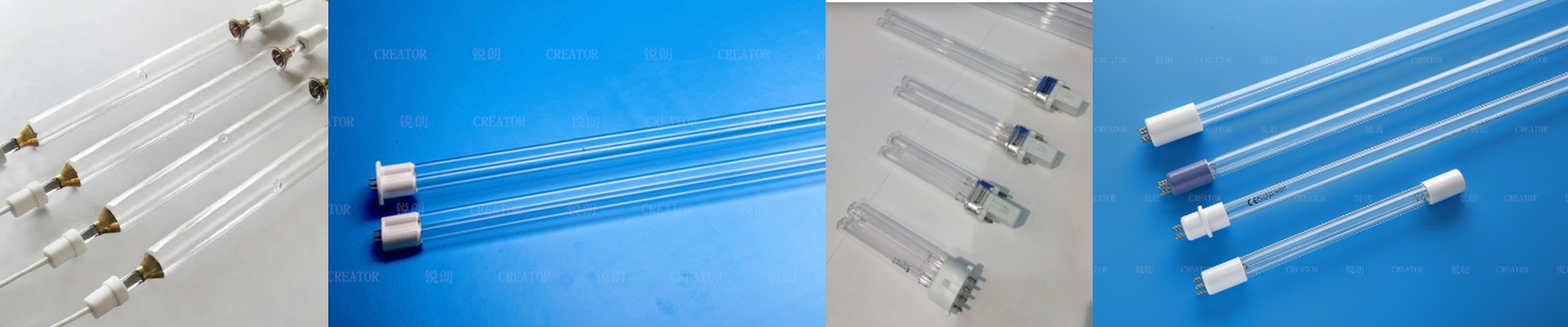
If you’re running a high-volume textile shop, you know the drill. You need your prints to set instantly. No bleeding, no smearing, just a clean bond to the fabric. That’s where our long-life mercury tubes come in. They do the heavy lifting, pumping out the exact UV wavelengths needed to snap those inks into place.
The nitty-gritty on how they work
Here is the thing about mercury vapor: it’s powerful, but it can be temperamental. We use high-purity quartz for the outer shell. Why? Because cheap glass “solarizes”—it gets cloudy over time and blocks the UV light from getting out. That’s a death sentence for your productivity. We also tweaked the internal pressure and the electrodes so they don’t burn out when you’re constantly flipping the power on and off. It just lasts longer. Simple as that.
Don’t cook your equipment
When you’re hooking these up to your line, pay attention to your ballast. If the voltage and wattage don’t match the tube, you’re asking for trouble. You’ll either end up with fabric that feels tacky to the touch or you’ll fry your electrodes in record time. And for heaven’s sake,watch your heat. These lamps get incredibly hot because they’re pushing a ton of energy to keep your line moving fast. If your cooling fans aren’t up to the task, the tube will pop. I’ve seen perfectly good tubes die in a matter of weeks just because someone blocked the airflow. Keep it cool, and the lamp stays happy.
Keeping things consistent
In this business, consistency is everything. If your UV intensity dips even a little, you start wasting fabric and losing money. Our tubes are built to stay steady for thousands of hours. They’re drop-in replacements, so you can swap them out quickly and get back to work. One last tip:clean your reflectors. It sounds obvious, but a layer of dust can kill the efficiency of even the most expensive tube. Give them a wipe, and you’re good to go.