



Getting the Most Out of Your UV Curing
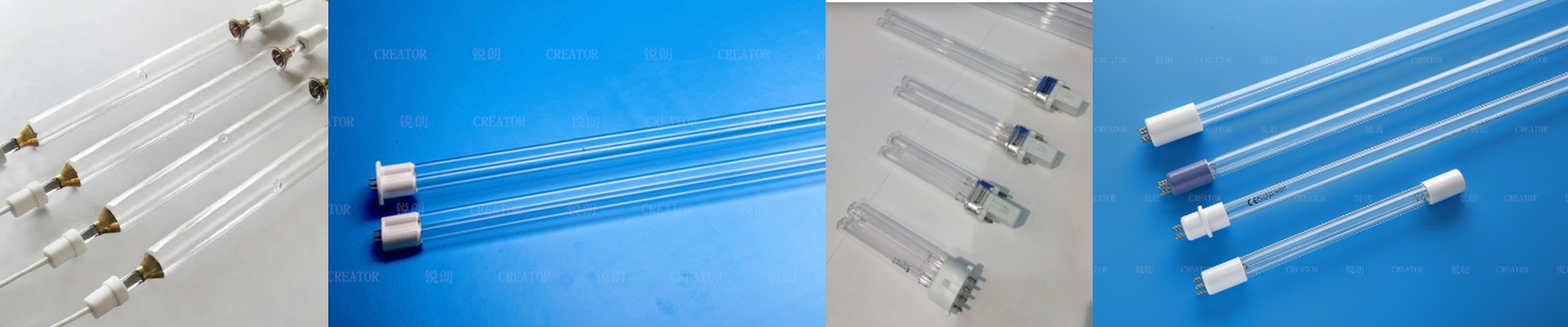
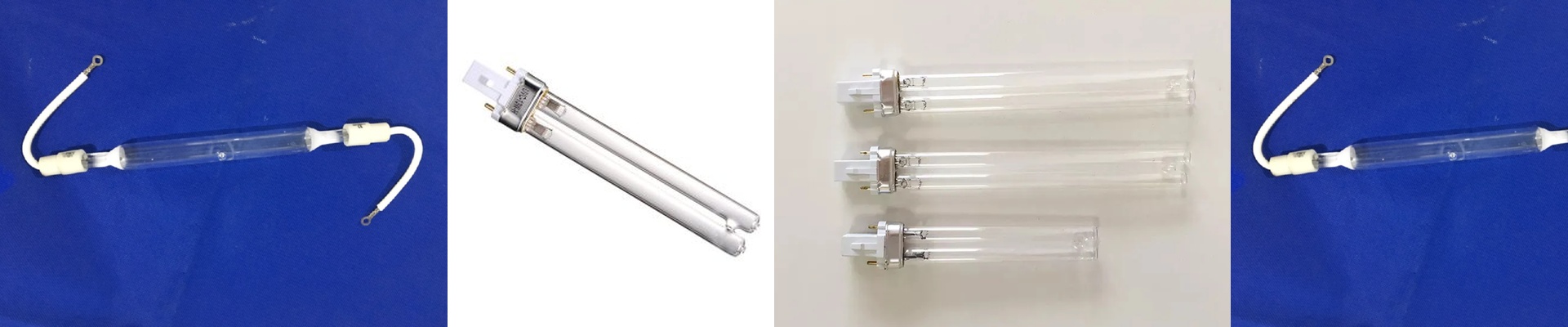
When we set up our booth at the 2026 Printing Exhibition, we didn’t want to show off generic, off-the-shelf bulbs. That’s not how real production works. Instead, we focused on our custom UV lamp modules—the kind of gear built specifically to keep up with the insane speeds of modern high-throughput ink systems. The balance between power and heat Here is the thing: we don’t just guess at the specs. We build these modules around the photoinitiators in your specific ink. Right now, we’re mostly working in the 365nm to 395nm range. Why? Because it lets the cure soak deep into the layers without scorching your material. You can crank up the wattage to push your line speeds faster, but there’s a catch. More power means more heat. If you’re working with thin films, you can’t just blast them. You’ll need a chilled roller or some solid air-cooling to keep everything from warping. It’s all about that sweet spot. No more rebuilding the whole frame We got tired of fixed housings. They’re a nightmare to deal with. So, we switched to a plug-and-play footprint. Now, if a unit fails or you decide you need more power, you just swap it out. You don’t have to tear apart your entire conveyor frame. We also use industrial-grade connectors. High-voltage arcs are scary, and they love to jump when a machine is vibrating. These connectors stop that from happening. Wiring it all up takes a few minutes. Not hours. Dealing with the reality of burnout Let’s be honest: UV lamps burn out. It’s just physics. Since we can’t stop that, we focused on making the output stable and the replacement process painless. We designed the modules so your floor techs can get in there and swap a lamp without having to dismantle the whole machine. We use high-transmittance quartz glass, too. It keeps the energy hitting the ink where it belongs, rather than wasting it as heat inside the glass. One last tip: keep your reflectors clean. If they get dusty, you’re throwing away about 20% of your output. And make sure your ventilation is dialed in, or your frequency will start to drift. Simple stuff, but it makes all the difference.