



Stop Guessing With Your UV Sterilization
Most UV-C systems are basically black boxes. You flip a switch, hope the wattage is where it needs to be, and then swap out lamps because a calendar told you it’s time. It’s a guessing game. We’re done with that. We decided to bake remote energy monitoring right into the ballast and lamp circuitry.
How it actually works
Instead of relying on a simple timer, these smart lamps give us real-time power data. By keeping an eye on the voltage drop and current draw, the system knows exactly how much energy is being used—and more importantly, when a lamp is starting to fade. Here’s the thing: when a UV lamp gets old, its electrical “fingerprint” changes. We track those tiny shifts to send you an alert before the sterilization power dips too low. You get a real number for the wattage. No more spreadsheets, no more manual hour-tracking, and no more wondering if your gear is actually working.
The hardware side (and the trade-offs)
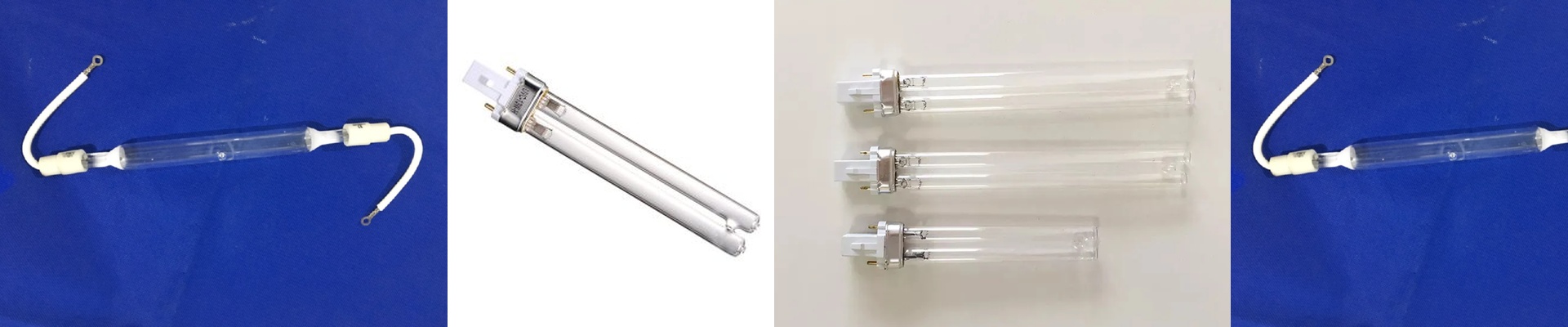
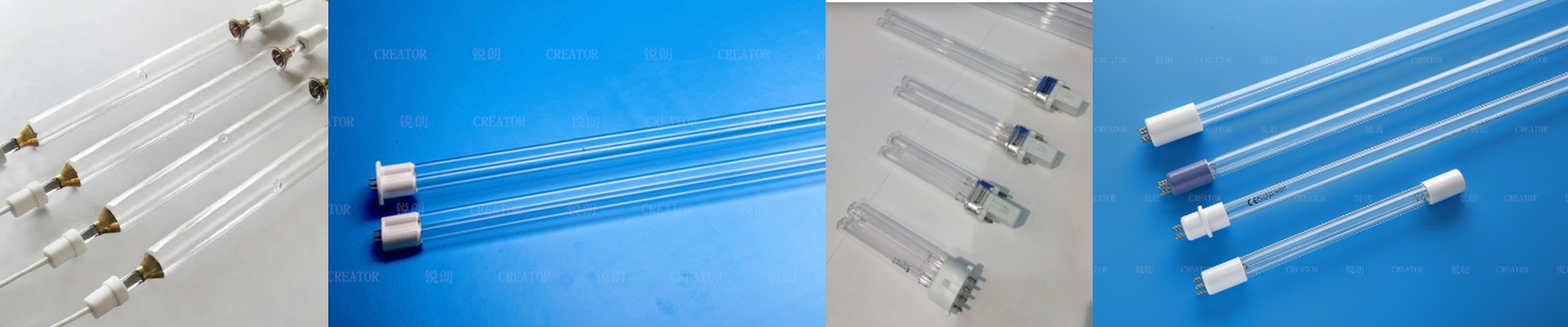
We use high-output UV-C quartz tubes and pair them with IoT drivers. These drivers send the power data via Modbus or MQTT straight to a dashboard. It’s pretty slick—you can keep an eye on ten different zones from one single screen. Now, there are a few catches. Adding these sensors means the control box is a bit bigger. The wiring is also a little more involved. And you’ll need a solid network connection on your shop floor to keep the data flowing. If you’ve got massive motors nearby creating a lot of electrical noise (EMI), you’ll want to use shielded cabling. Otherwise, your data might get messy.
Why this matters for the people running the line
This setup finally kills the habit of throwing away perfectly good lamps too early. You only swap a tube when the data tells you it’s actually dying. It saves money. It cuts down on waste. And it stops unnecessary downtime. Plus, if you’re running high-volume lines, you can see the exact energy cost per cycle. You’ll see the power spikes as they happen, which makes managing your grid a whole lot easier. You’re finally in control of the load.